A Bold Move: From Fuel to Flash Charging
In a landmark shift for the energy sector, Sinopec, China's largest fuel retailer, has removed the gasoline pumps at one of its Shanghai stations and replaced them with BYD's cutting-edge 1,500 kW flash chargers. This move is not merely an addition of EV charging points to an existing fuel station; it represents a complete transformation of the station's core function. The decision signals a strategic pivot by a traditional oil giant toward electric mobility, and it could set a precedent for other fuel retailers worldwide.
The station, located in Shanghai, now focuses entirely on providing ultra-fast charging for electric vehicles. BYD's flash chargers are among the most powerful in the world, capable of delivering up to 1,500 kW of power. This technology can add hundreds of kilometers of range in just a few minutes, dramatically reducing charging time and addressing one of the key barriers to EV adoption. The installation at a former gas station is symbolic, marking the transition from fossil fuels to clean energy in a tangible way.
The Significance of Sinopec's Decision
Sinopec operates tens of thousands of fuel stations across China, making it a dominant player in the country's energy retail market. By choosing to convert one of its stations entirely to EV charging, Sinopec is acknowledging the rapid growth of the electric vehicle market and the need to adapt its business model. This move could be a pilot project, testing the viability of dedicated EV charging stations before a wider rollout. If successful, it could accelerate the deployment of ultra-fast charging infrastructure across China, a critical component for supporting the country's ambitious EV adoption targets.
The decision also reflects the changing economics of transportation energy. As EV sales surge, the demand for gasoline is expected to decline, while the need for convenient, high-speed charging grows. By repurposing existing fuel station real estate, Sinopec can leverage its prime locations and existing infrastructure to offer a new service, potentially reducing the cost and time required to build new charging stations. This approach could be a blueprint for other oil companies looking to transition their businesses.

BYD's Flash Charging Technology
BYD, a leading Chinese EV manufacturer, has been at the forefront of battery and charging technology. The 1,500 kW flash chargers represent a significant leap forward in charging speed. To put this in perspective, most current fast chargers deliver between 50 kW and 350 kW. BYD's system is several times faster, enabling a near-instantaneous charging experience. This technology is made possible by advancements in battery chemistry and power electronics, allowing for higher current and voltage without compromising safety.
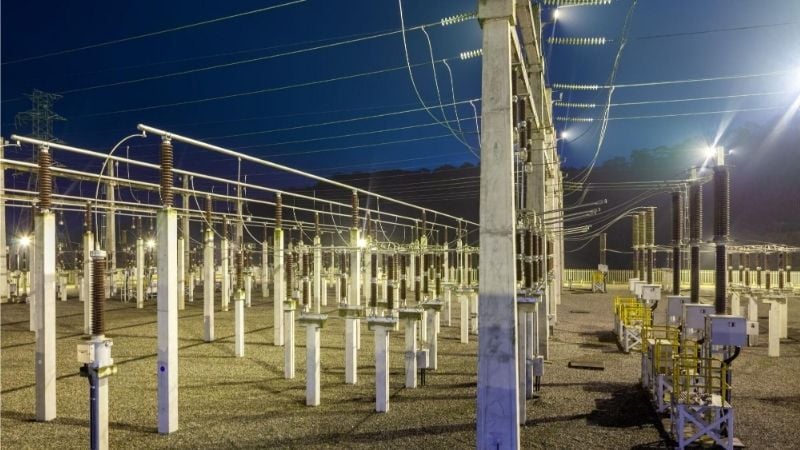
The deployment of such high-power chargers requires robust grid connections and advanced cooling systems, which Sinopec's station infrastructure can accommodate. The Shanghai station's conversion demonstrates that existing fuel station sites can be adapted to support this next-generation charging technology. For EV drivers, this means shorter waits and more convenient long-distance travel, potentially making EVs more attractive to a broader audience.
Implications for the Energy and Automotive Industries
This development is a clear signal that the energy industry is undergoing a profound transformation. Oil companies are not just diversifying; they are actively replacing their core business with clean energy alternatives. Sinopec's move could pressure other fuel retailers in China and globally to accelerate their own EV charging strategies. It also highlights the growing importance of partnerships between traditional energy companies and EV manufacturers.
For the automotive industry, the availability of ultra-fast charging is crucial for addressing range anxiety, one of the main obstacles to EV adoption. With charging times approaching those of refueling a gasoline car, EVs become more practical for everyday use and long trips. This could further boost EV sales, creating a virtuous cycle that encourages more investment in charging infrastructure.
The Road Ahead
While this is just one station, its symbolic and practical significance cannot be overstated. It demonstrates that the transition to electric mobility is not just about new cars and new charging networks; it's about repurposing and transforming existing infrastructure. As more oil companies follow Sinopec's lead, we can expect to see more gas stations converted into charging hubs, accelerating the shift away from fossil fuels.
The success of this project will be closely watched by industry observers. If the Shanghai station proves profitable and popular, Sinopec may expand the concept to other locations, potentially transforming thousands of stations across China. This could have a ripple effect globally, encouraging other countries and companies to rethink their energy infrastructure strategies.
In conclusion, Sinopec's decision to replace gas pumps with BYD's 1,500 kW flash chargers is a bold and forward-thinking move. It underscores the inevitability of the electric vehicle revolution and the need for traditional energy companies to adapt or risk becoming obsolete. As this story unfolds, it will be fascinating to see how this experiment shapes the future of energy retail and transportation.
This article is based on reporting by Electrek. Read the original article.
Originally published on electrek.co