A quieter hurricane outlook does not mean an easier year for utilities
El Niño is reshaping the U.S. power risk map for 2026, and the headline is more complicated than a simple reduction in hurricane danger. Meteorologists cited by Utility Dive say the climate pattern should suppress some Atlantic storm activity, but utilities still face serious threats from flooding, wildfire, drought and heat-driven reliability strain in other parts of the country.
That tradeoff matters because electric utilities plan around regional hazards, not national averages. A lower number of named Atlantic storms may reduce one category of exposure, yet a split pattern of wetter and drier regions can create a broader set of operational challenges across transmission, distribution and emergency response systems.
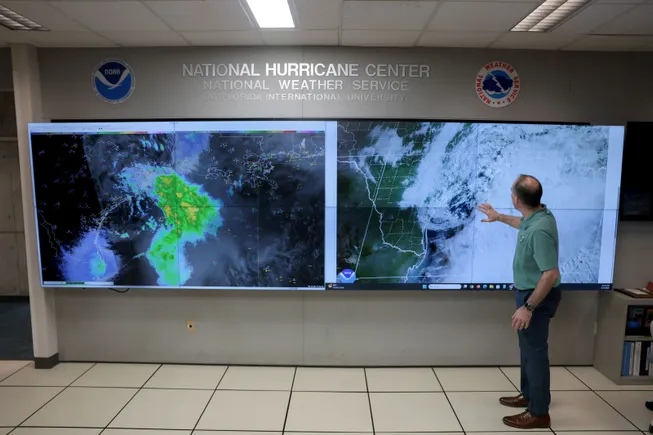
According to the report, NOAA declared on June 11 that El Niño had developed in the Pacific Ocean. AccuWeather meteorologists say the event is arriving unusually early and strengthening quickly, giving it more time to influence summer and fall weather across the United States. For grid operators, that means weather assumptions built around recent La Niña-influenced seasons may not hold.
The main risk is shifting, not disappearing
AccuWeather is forecasting 11 to 16 named Atlantic storms, a level below recent seasons shaped by La Niña. On its face, that should offer some relief to utilities preparing for coastal wind, storm surge and prolonged restoration work. But experts caution that a lower storm count does not necessarily reduce reliability risk in proportion.
One reason is geographic concentration. AccuWeather Lead Hurricane Expert Alex DaSilva warned that storms forming close to the coastline during El Niño years can be especially dangerous because they leave less time for preparation. A season with fewer storms can still produce severe infrastructure damage if even one system develops rapidly near landfall.
The other reason is substitution. Weather risk is not vanishing; it is being redistributed. While the Atlantic may be less active overall, other climate-linked threats can become more pronounced across inland and western service territories, forcing utilities to spread resources across a wider range of incident types.

A split summer could strain regional power systems
The report describes a split summer scenario in which different U.S. regions experience sharply different conditions. Parts of California and the Southwest are expected to see heavier rainfall. At the same time, the Northwest, Northern Plains and Upper Midwest could face hotter and drier conditions. Florida, meanwhile, may encounter stretches of above-normal heat and below-average rainfall.
For utilities, these are not abstract climate descriptors. Heavier rainfall can raise the risk of flooding, erosion and debris flows, all of which can damage substations, destabilize slopes, obstruct access roads and delay repairs. Hotter, drier weather raises the probability of wildfire activity and drought stress, which can affect vegetation management, asset safety and peak electricity demand.
In Florida, periodic heat and lower rainfall could complicate load management even if the number of tropical systems ends up lower than in recent years. Power demand spikes during extended hot periods place pressure on generation, transmission and distribution systems at the same time that dry conditions can increase local fire risk.
The result is a planning environment in which utilities cannot focus narrowly on hurricane counts. They have to prepare for multiple failure modes that may unfold in different regions at the same time.
Why utilities may need a broader resilience playbook
The timing of this El Niño development is significant because utilities have spent the past several years investing in grid hardening, storm response capabilities and broader resilience programs. Those investments are often justified in the context of major storms, but the 2026 outlook suggests resilience planning has to be flexible enough to cover different kinds of weather shocks.
Flooding and wildfire, for example, demand different operational responses. Flood risk may require substation protection, drainage improvements and pre-positioned repair crews that can reach washed-out areas. Wildfire risk can shift attention toward de-energization protocols, line inspections, vegetation clearance and public safety coordination. Heat-driven demand issues can require yet another toolkit centered on peak load forecasting, demand response and equipment monitoring.
Utilities are therefore not dealing with a single seasonal threat but with a portfolio of weather-linked disruptions. El Niño changes the weighting of that portfolio. In practical terms, it may reduce the probability of one class of event while increasing the importance of others that are equally capable of causing outages.
The forecasting challenge is becoming more operationally important
Another theme in the report is the difficulty of forecasting utility impacts when climate patterns evolve quickly. Because this El Niño is developing early and strengthening fast, meteorologists say it may exert greater influence over U.S. conditions through late fall. That creates a longer window in which regional utilities need to update assumptions about rainfall, temperature, fire conditions and restoration readiness.
Forecast uncertainty is not just a communications problem. It affects crew staging, mutual assistance planning, fuel and equipment logistics, outage modeling and customer messaging. A utility that prepares only for an average basin-wide hurricane season could miss the operational significance of a fast-forming coastal storm or an inland heat-and-fire emergency.
The takeaway from the 2026 outlook is straightforward: fewer storms does not mean lower risk. It means the pattern of risk is changing, and utilities need to map that shift carefully. The Atlantic may be somewhat quieter, but reliability exposure remains high when heavy rain, drought, extreme heat and wildfire each have the potential to disrupt service in different parts of the country.
As El Niño strengthens, the most resilient utilities are likely to be the ones that treat seasonal forecasting as a dynamic planning input rather than a single headline number. The real test for the grid this year may not be whether there are fewer storms overall, but whether operators adapt quickly enough to a season in which weather hazards are more unevenly distributed.
This article is based on reporting by Utility Dive. Read the original article.
Originally published on utilitydive.com