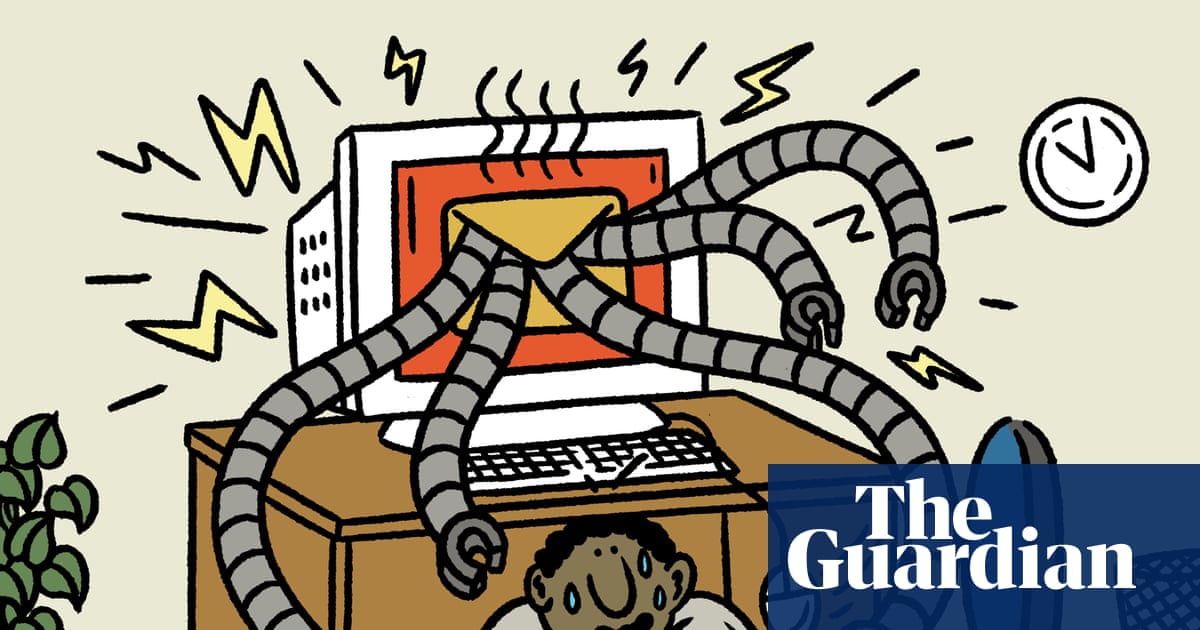
When writing becomes nearly effortless, responding does not
Generative AI has made it far easier to produce a formal complaint, a planning objection, a request to an elected representative or a legal-sounding challenge. For the sender, a chatbot can turn a short prompt into a lengthy document in moments. For the recipient, assessing what the document means, whether it is accurate and what response it requires can take far longer.
That imbalance is now being felt across parts of the United Kingdom’s public-facing institutions. MPs’ offices, local authorities, lawyers, schools, courts and other bodies are reporting a rise in AI-generated correspondence, according to reporting by The Guardian. Commentators have begun calling the phenomenon “AI clog”: a surge in machine-assisted messages that can increase workload even when the messages themselves are low quality or repetitive.
The issue is not simply that more people can write more. AI tools can also produce correspondence with an authoritative tone, legal vocabulary and extensive detail. That presentation can make it harder for already stretched staff to identify the core issue, distinguish useful evidence from unsupported claims and provide an appropriate answer.
From a trickle to an onslaught
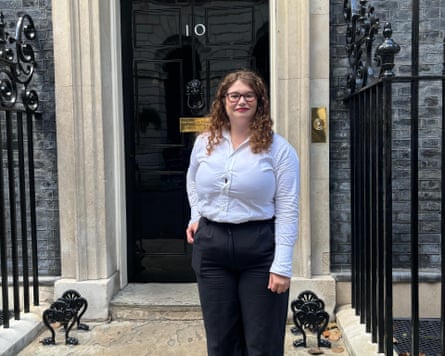
Hollie Wickens, a senior caseworker in a Labour MP’s office, described the change as beginning with a trickle in 2024 and growing into an onslaught. She said that about half of the emails her office receives are some form of AI, and that the material has become more complex and time-consuming to read and handle.
Her account illustrates the administrative challenge. Constituency offices cannot treat every message as disposable simply because it appears to have been machine-generated. A constituent may have used a chatbot to articulate a genuine concern, and public bodies still need to identify whether an issue needs action, referral or a substantive reply.
At the same time, the ease of generation can remove the friction that once constrained volume. In the past, writing a detailed complaint or formal objection generally required time, research and some confidence with administrative language. Chatbots can now supply a draft to a person with little specialist knowledge, often including a structure that looks ready to submit.

A productivity tool with a counterpart cost
Generative-AI developers have promoted the technology as a way to automate routine work and free people for more creative or valuable tasks. The report notes signs of productivity gains in parts of the economy and says AI has been credited for some of the United Kingdom’s better-than-expected GDP growth in 2026.
But the gains for the person sending a message can become a cost for the institution receiving it. A tool that reduces the time needed to create correspondence does not automatically reduce the time needed to verify it. Indeed, the apparent completeness of an AI-written message can create more material to review.
This is especially consequential in public services. Staff may be responsible for sensitive personal cases, statutory duties, school matters, planning issues or legal challenges. They cannot rely on a fluent paragraph as evidence that its references are correct or that its conclusions follow from the facts. A response may require checking records, policy, law or local circumstances regardless of who—or what—drafted the original wording.
The practical result can be a bottleneck. More messages arrive, messages can be longer, and each one may demand human judgment. That is the opposite of the simple assumption that AI necessarily reduces administrative work.
Access and overload can coexist
There is another side to the development. Chatbots can help people communicate with institutions that once felt inaccessible. Someone who struggles with formal writing, lacks confidence in English or does not know how to frame a complaint may find it easier to participate. The tools can function as a readily available assistant for drafting, organizing questions and navigating bureaucratic language.
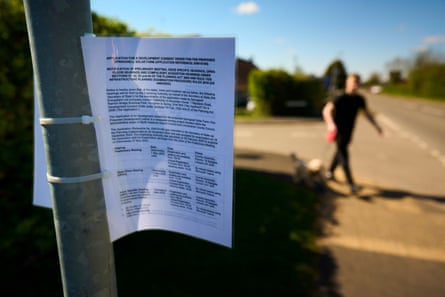
That potential benefit does not disappear because some generated correspondence is weak. The challenge for public bodies is that a genuine grievance and a low-effort template can arrive through the same inbox, in similar language and at similar scale.
The report characterizes AI systems as providing a free, though potentially unreliable, legal adviser, administrator or personal assistant. That description captures the tension. The systems can broaden access to polished language, but polished language can also conceal mistakes, generic argument or irrelevant material. Human recipients then inherit the work of separating a credible request from a persuasive-looking but unreliable draft.

The next administrative problem of generative AI
“AI clog” is an early example of a wider institutional question: how should organizations adapt when the cost of generating formal text falls dramatically but the duty to assess it remains human? The answer is not necessarily to dismiss AI-assisted messages wholesale. That could penalize people using the tools in good faith or for accessibility reasons.
Instead, public bodies will need processes that preserve meaningful access while protecting staff time. The reporting does not establish a single remedy, but it makes clear why the issue cannot be treated as a minor inbox annoyance. The volume of generated material touches elected representatives, local government, legal services and schools—systems where delays can have real effects on people waiting for help or decisions.
For now, the emerging lesson is straightforward. Generative AI can make it easier to formulate a demand, but it cannot make the underlying case easier to adjudicate. As use spreads, the limiting resource may not be the ability to write a complaint. It may be the human capacity to read, investigate and respond responsibly.
This article is based on reporting by The Guardian. Read the original article.
Originally published on theguardian.com