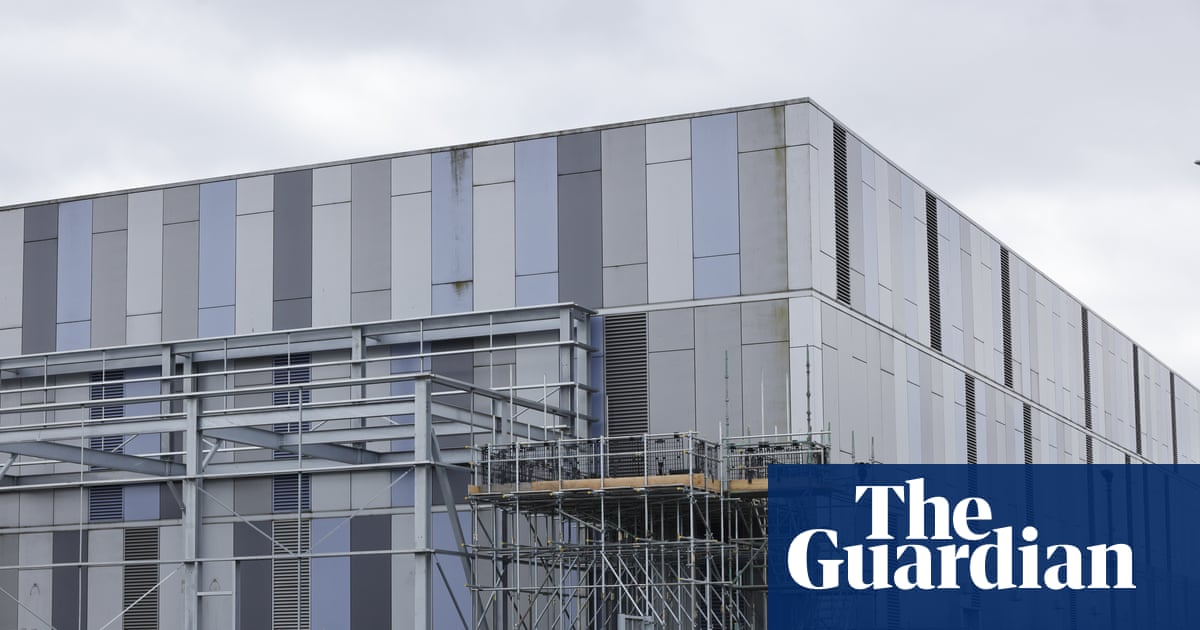
DataVita revises power plan for Chapelhall project
A proposed AI data-centre development in Lanarkshire will be fully served by the National Grid, according to a revised position from developer DataVita. The change replaces an earlier claim that the project near Glasgow would draw 1 gigawatt of power from renewable sources.
The proposed development is planned for Chapelhall, outside Airdrie, and has been presented as an AI growth zone. DataVita had said the scheme would use 1GW of green power, a scale comparable in the report to the output of a small nuclear reactor or Britain’s largest windfarm. After questions were raised about that pledge, the company said the arrangement depended on final commercial agreements, planning, grid and consenting processes.
It now says the data centres will be fully grid served. Solar and wind projects could connect in the future, but they are no longer presented as the project’s assured source of electricity. DataVita says the electricity it draws from the grid will be largely renewable.
Why the revision matters
The change goes to the heart of how energy-intensive AI infrastructure is described, financed and planned. Large data centres require substantial and dependable electricity supplies. A pledge to run a facility directly from new renewable generation can imply a different relationship with the power system than one in which the facility draws from the general grid supply.
In this case, 1GW is not a marginal quantity. The earlier claim placed the project’s proposed demand in the range of major national generating assets. Moving to a fully grid-served model makes grid connection and available capacity central to the development’s viability, even if the overall electricity mix contains a large renewable component.
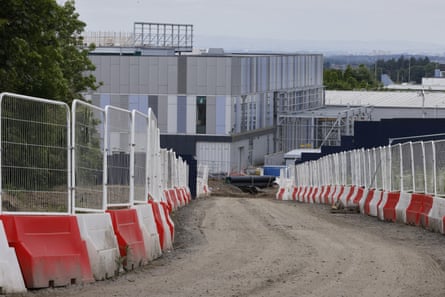
The report says the shift could create difficulties for DataVita and for the broader UK AI strategy associated with the project. Data centres are among the most energy-intensive types of buildings, while UK energy costs are higher than in much of Europe. Securing the power needed for large new facilities can also involve lengthy waits.

An AI growth zone with public backing
DataVita’s Chapelhall proposal was associated with a UK strategy to establish large data-centre zones around the country. Under that approach, developers could receive incentives that might include energy discounts and faster planning approvals. The Lanarkshire scheme was described as one of the key developments linked to that strategy.
The company remains the recipient of £202 million in public support in the form of wealth guarantees from Britain’s National Wealth Fund. That backing raises the stakes of the revised energy plan, because the project is not only a private infrastructure proposal. It is also tied to public policy ambitions for AI capacity and regional economic development.
DataVita says the development would transform Chapelhall’s economy. But the Guardian report notes that local hopes have also been accompanied by concerns over the consequences of locating a major AI facility in the area. The future scale and electricity supply of the project therefore matter to residents as well as to policymakers and investors.
Grid power and renewable claims are not the same thing
Drawing electricity from the National Grid does not necessarily mean a facility is powered solely by fossil fuels. The grid can carry electricity generated from a range of sources, including renewable projects. DataVita’s claim that its grid power will be largely renewable addresses that wider mix.
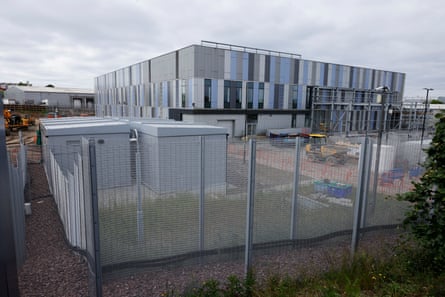
But a grid-served project is operationally different from the earlier proposal to obtain 1GW from green sources. The revised language leaves future wind and solar connections as possibilities rather than confirmed components of the initial plan. The distinction is important for assessing when renewable generation will be available, how power will reach the site, and what demands the project may place on the wider network.
For the UK’s AI build-out, the episode illustrates a recurring tension. Policymakers want advanced computing infrastructure, while developers need large quantities of reliable power. Those needs must be reconciled with planning rules, network constraints, energy prices and climate commitments. Announcements can arrive faster than the physical systems needed to support them.

A test for the UK’s AI infrastructure plans
DataVita’s revised position comes as the UK considers how to turn AI strategy into operating facilities rather than proposals. The report says the strategy began to founder little more than a year after it was announced, following scrutiny of how firm some of the announced plans were.
The Chapelhall project will now be judged in part on whether grid service, planning and commercial arrangements can support a facility of the proposed scale. Potential future renewable connections may still alter its energy profile, but they do not replace the immediate need for a grid-based supply.
The result is a more conventional, if politically sensitive, description of the project: a large planned AI data centre dependent on the National Grid. For a development promoted with a 1GW renewable-power claim, that is a consequential recalibration of both its energy narrative and the questions it must answer.
This article is based on reporting by The Guardian. Read the original article.
Originally published on theguardian.com