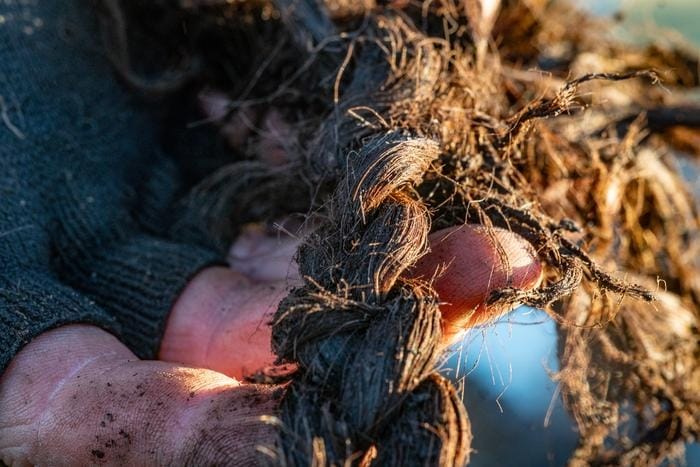
Archaeologists have reported what they describe as the oldest direct evidence that people consumed cannabis for its psychoactive effects: cannabinoids, including tetrahydrocannabinol, or THC, detected in preserved human hair from a 2,800-year-old tomb in Siberia.
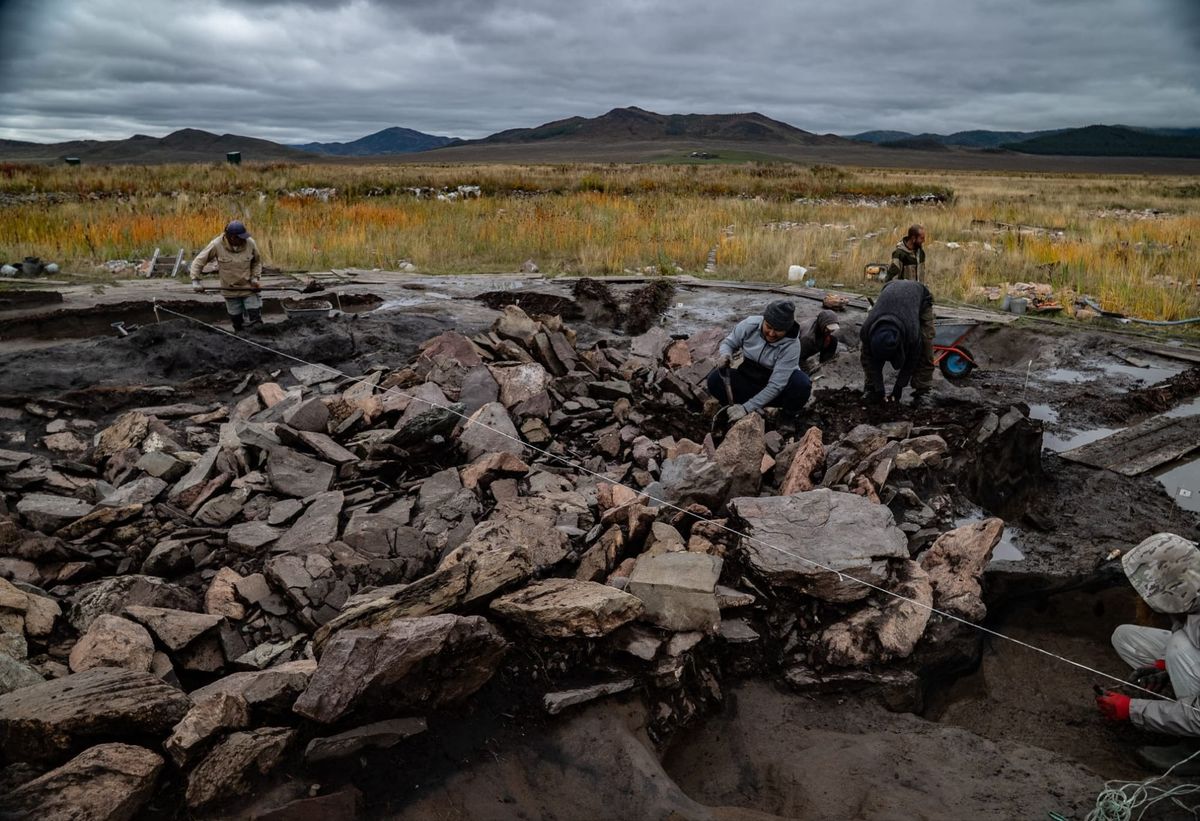
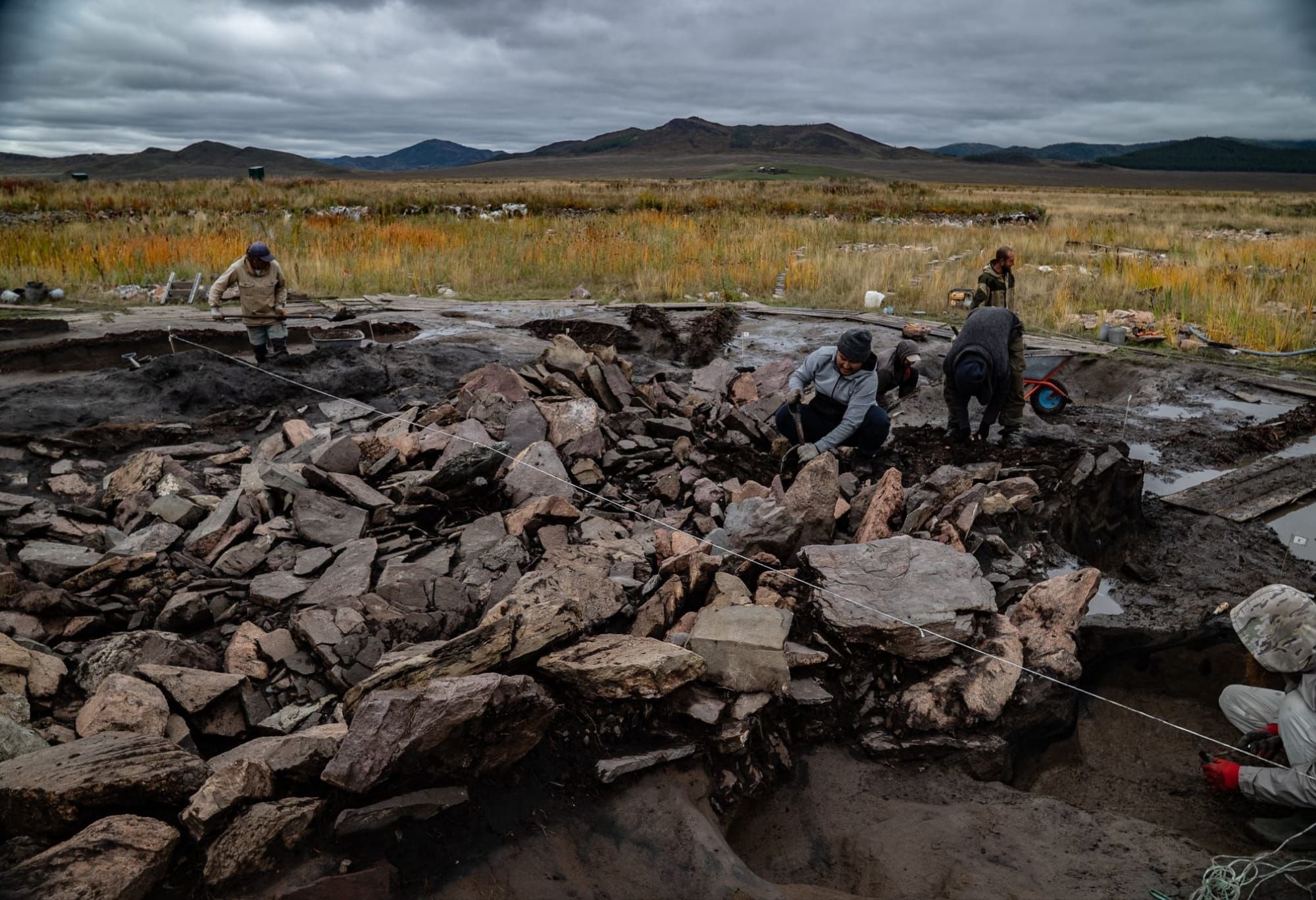
The discovery comes from Tunnug 1, a royal burial mound in Siberia’s Uyuk River Valley. Researchers also found more than 1,400 cannabis seeds scattered around the remains of several Iron Age individuals. Together, the plant remains and chemical evidence from human tissue create an unusually direct link between cannabis and the people buried at the site.
Why the evidence stands out
Cannabis has been cultivated for thousands of years, including for oil and fiber. Establishing when people used it specifically for intoxication is much harder. Plant remains can show that cannabis was present at an archaeological site, but they do not necessarily prove that someone consumed it for psychoactive effects.
The new finding is significant because it combines several kinds of evidence from the same burial context. The seeds indicate the plant’s presence, while cannabinoids in preserved hair connect cannabis compounds to a person buried in the tomb. THC is the compound associated with cannabis’s psychoactive effects.
Gino Caspari, an archaeologist at the Max Planck Institute of Geoanthropology and the University of Bern who led the study, described the combination as exceptionally rare. Well-preserved plant material is itself uncommon at ancient sites, and preserved soft tissue that can retain chemical evidence is rarer still.
The source report says the findings were published in the journal Science. It presents the result as the earliest clear evidence that cannabis was consumed for its psychoactive effects, while recognizing that people had cultivated the plant long before the Iron Age.

A Scythian setting
The burial is associated with the Scythians, horse-riding peoples who emerged on the Eurasian steppes in the ninth century BCE and became a major regional force in later centuries. Cannabis was already connected to Scythian culture in historical and archaeological accounts.
The Greek historian Herodotus wrote about Scythian rituals involving the ceremonial burning of cannabis in enclosed spaces. Cannabis residues and products have also been found at Scythian archaeological sites. Until now, however, evidence of the plant at a site did not provide the same direct demonstration of psychoactive consumption by an individual.
The remains at Tunnug 1 offer a more intimate view. The tomb contained elite burials and was used for human and horse sacrifices, according to the account of the excavations. The preserved hair braid from one of the individuals has become central to the finding because it held detectable cannabinoids.
What the finding can—and cannot—show
The evidence strongly supports the conclusion that cannabis compounds were present in at least one person’s body. It does not, by itself, reconstruct every aspect of how cannabis was prepared, administered or understood by the community. The report does not establish whether consumption happened in a private, medicinal, ceremonial or other setting, nor does it explain whether every person buried at the mound used cannabis.
That caution is useful because ancient drug use is often discussed through broad cultural narratives. Archaeology can reveal objects, residues and contexts, but individual behavior is usually difficult to recover. Here, the chemical analysis of preserved hair narrows that gap: it provides evidence tied to a human body, not only to a nearby vessel, seed cache or burning area.
The concentration of seeds and the tomb’s ritual setting make the discovery especially compelling for understanding how cannabis may have been involved in Iron Age practices. Yet the researchers’ finding should be read as evidence for psychoactive use, not as a complete account of the social meanings that use carried.

A long history comes into sharper focus
Cannabis has a long, varied history across Eurasia and beyond. It has been used as a source of fiber and oil, as a medicine in a range of traditions, and as an intoxicant. The challenge for archaeologists is separating those possible roles when working with incomplete remains.
The Tunnug 1 discovery provides a rare fixed point in that history. It does not mean cannabis first became psychoactive in Siberia 2,800 years ago, and it does not rule out earlier use elsewhere. Rather, it establishes a particularly early instance where the available material can directly support the claim that people consumed cannabis for its mind-altering properties.
That distinction will matter as researchers revisit other sites and old collections. Historical testimony such as Herodotus’s account can suggest practices, while plant residues can indicate availability. Chemical signatures in preserved human tissue may offer a more definitive way to test whether those practices reached individual people.
Preservation as archaeological opportunity
The result also illustrates how much archaeological interpretation depends on preservation. Hair, organic plant matter and molecular traces usually decay. When conditions preserve them, they can answer questions that stone tools, pottery and skeletal remains cannot resolve on their own.
At Tunnug 1, chance preservation created an extraordinary record: a burial setting, cannabis seeds and a human hair sample carrying cannabinoids. The research turns a long-standing possibility about ancient cannabis use into evidence grounded in both plant remains and the body of a person from the Iron Age.
For the broader history of psychoactive substances, that is the enduring value of the discovery. It provides direct evidence from a specific time and place, while opening further questions about ritual, trade, cultivation and the role cannabis played among the Scythian communities of the Eurasian steppe.
This article is based on reporting by 404 Media. Read the original article.

Originally published on 404media.co