The solar system may be storing material from alien star systems
Only a handful of interstellar objects have been directly observed passing through the solar system, but a new study argues that many more may be here permanently. According to reporting by 404 Media on research published in Astronomy & Astrophysics, the Sun may have captured thousands of small objects from other planetary systems during close stellar encounters over its 4.6 billion-year history.
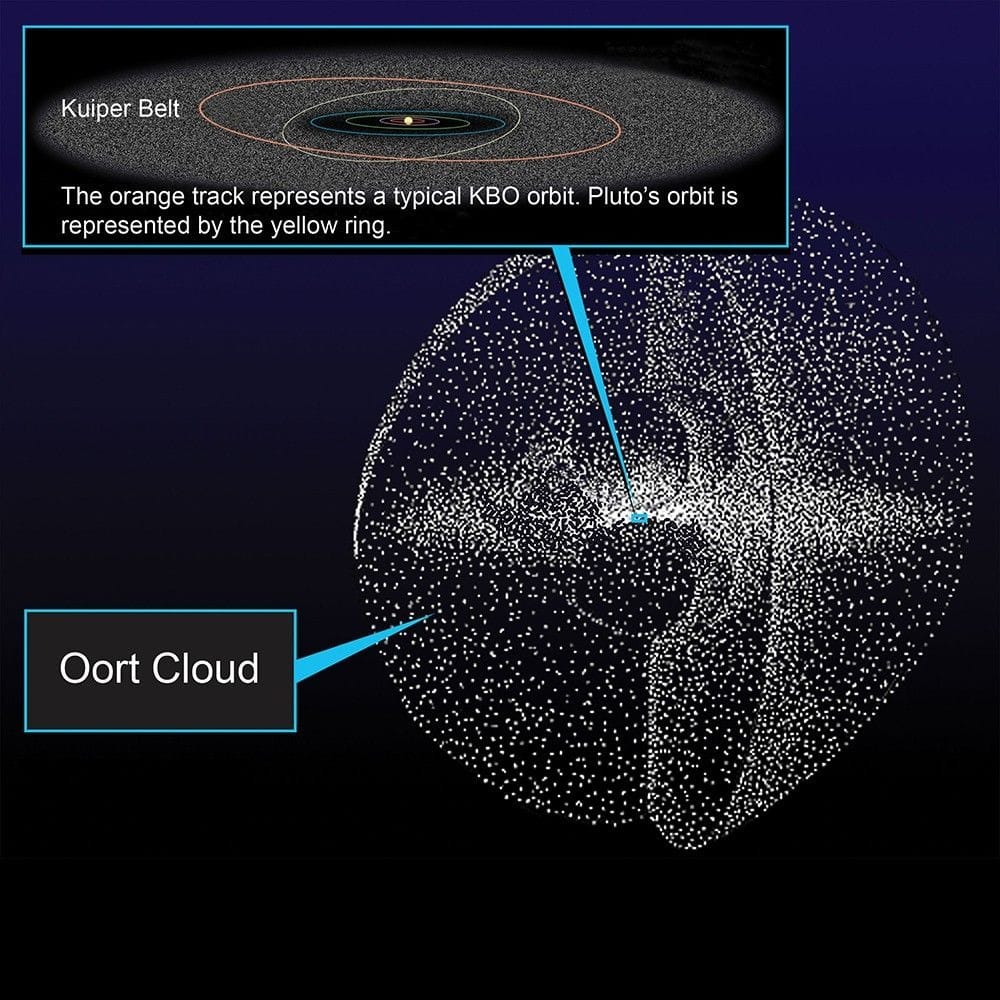
The proposed reservoir is the Oort cloud, the vast outer shell of icy bodies thought to surround the solar system. These distant objects are so far from the Sun that they are effectively beyond direct spacecraft exploration with current capabilities. Yet the new modeling suggests the Oort cloud may not be made entirely of native solar system material. Some fraction of it could be debris acquired from passing stars.
If correct, the idea reframes the solar system as less isolated than it often appears. Rather than a closed inventory of bodies formed from the Sun’s original disk, it may be a long-term collector of foreign objects exchanged during stellar flybys.
From brief visitors to permanent residents
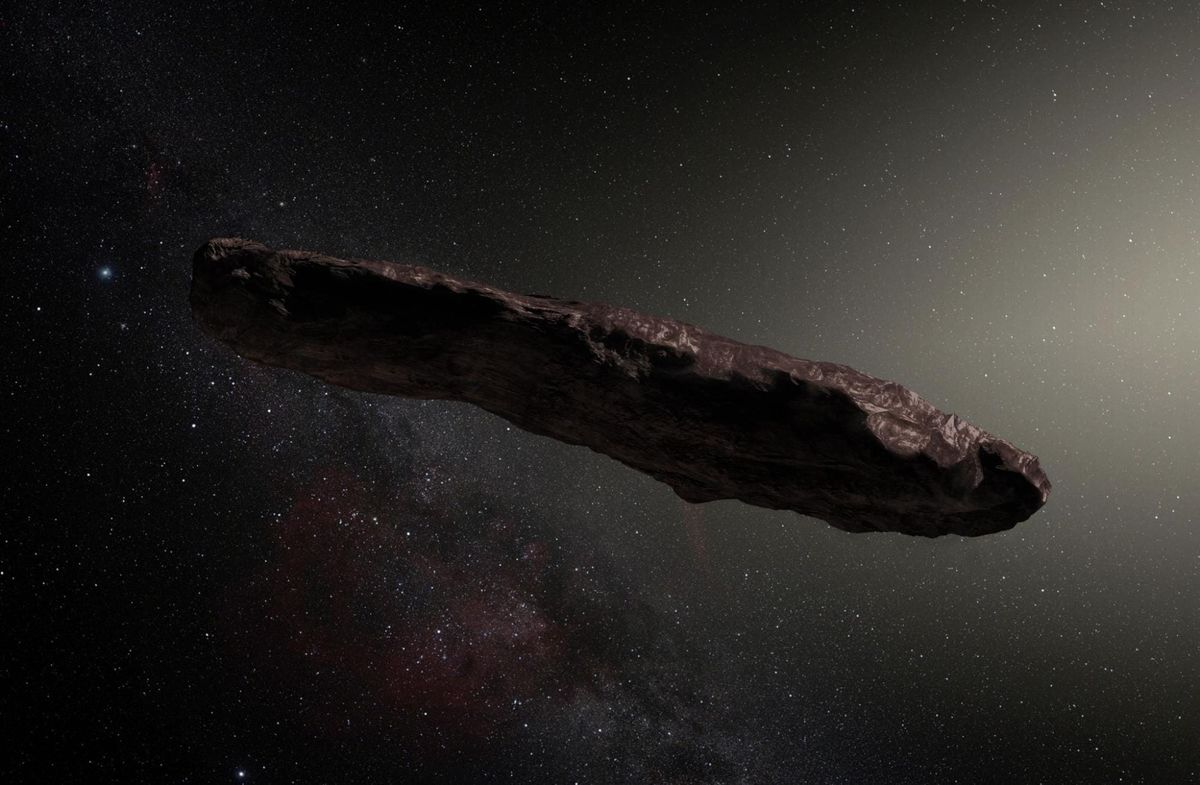
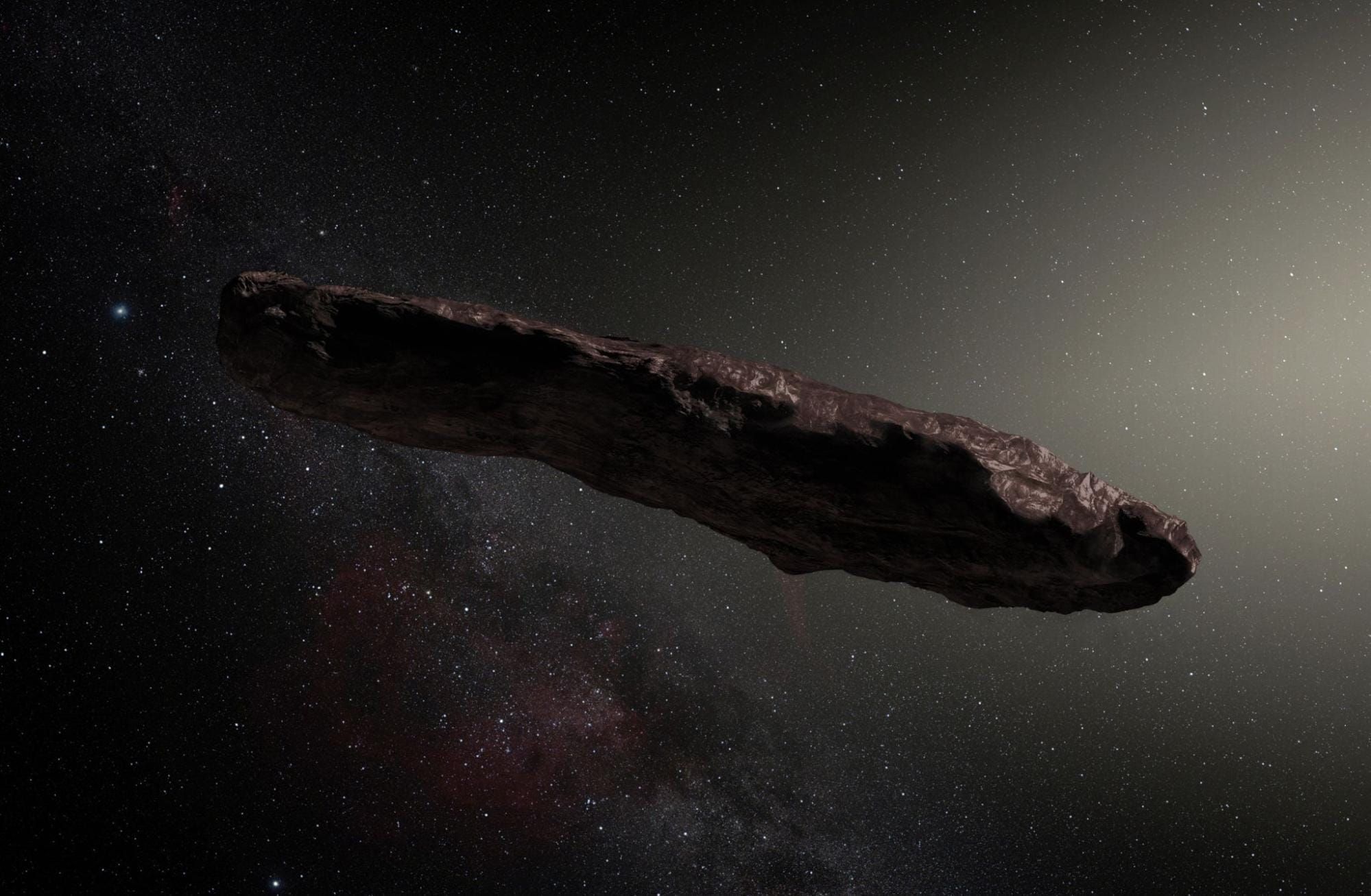
Public interest in interstellar objects surged after the discoveries of unusual visitors crossing the solar system over the past decade. These bodies move fast enough to escape the Sun’s gravity, which is why they are only observable for short periods before continuing their paths through the galaxy.
The new study focuses on a different population. Instead of objects that arrive and leave quickly, the researchers modeled how some incoming material could be trapped during close passes between stars. The Sun, like other stars, does not remain fixed in isolation. Over billions of years it moves through the galaxy and can come close enough to other stellar systems for gravitational interactions to exchange distant debris.
404 Media reports that the researchers, led by Sean Raymond of the Bordeaux Astrophysics Laboratory, used these dynamics to estimate how many captured interstellar objects could accumulate over time. Their conclusion is that stellar flybys are not rare curiosities in the broad lifetime of a star. They are expected features of life in the galactic environment, and they can transfer small bodies from one stellar system to another.

The Oort cloud as a storage zone
The Oort cloud is central to the argument because it extends to extreme distances from the Sun, on the order of about three light years according to the report. That remote region is weakly bound compared with the inner solar system and therefore more susceptible to gravitational reshuffling during close stellar encounters.
In the study’s framing, passing stars can both give and take. The Sun may have captured objects from the outer regions of other systems while also losing some of its own distant bodies in the same encounters. The result is less a one-way import process than a long-running exchange network among stars.
The researchers suggest that one or two especially significant flybys in the Sun’s lifetime may account for a large fraction of the non-native objects now residing in the solar system. That claim does not mean the Oort cloud is dominated by alien material. It means the cloud could include a sparse but meaningful embedded population of bodies that formed elsewhere.
This matters because the Oort cloud is already thought to preserve some of the most primitive small bodies associated with the solar system. If some of those distant objects actually originated around other stars, then the cloud may contain a natural archive of extrasolar planetary formation processes.
Why the idea is scientifically important
The concept of captured interstellar material has been discussed before, but direct evidence has been limited. The recent discovery of confirmed interstellar visitors has changed that by proving that extraterrestrial material regularly passes through the solar system. That observational backdrop gives more weight to models asking how often some of those bodies might remain behind.
The significance is twofold. First, it expands the scientific meaning of the Oort cloud. Instead of being only a deep-freeze repository of the solar system’s own leftovers, it may also be a museum of imported objects. Second, it suggests that stellar systems across the galaxy may be more interconnected than the phrase “solar system” sometimes implies.
The researchers argue, as quoted in the report, that most stars should host sparse Oort clouds populated in part by captured interstellar objects. If that inference holds broadly, then exchange between planetary systems is not exceptional. It is a byproduct of stars sharing the same galactic neighborhood over immense timescales.
That has implications for how astronomers think about the circulation of solid material through the Milky Way. While the study does not claim life or biology is being exchanged, it does support a more dynamic picture of matter moving among stellar systems than a strictly self-contained model would allow.

A compelling idea with a practical limit
The major limitation is obvious: these objects are probably too far away to inspect directly for now. The Oort cloud’s scale makes targeted exploration extraordinarily difficult. As 404 Media notes, it is not currently feasible to send a spacecraft out to sift through those distant reaches in search of captured interstellar bodies.
That means the study is primarily a theoretical and statistical advance, not an observational confirmation of specific alien objects already cataloged in the solar system. The work builds a plausible population model based on stellar flybys, recent interstellar detections and the long-term motion of stars through the galaxy.
Still, theoretical shifts matter. Astronomy often advances by changing the questions scientists ask before instrumentation can deliver direct answers. If researchers begin to treat some Oort cloud objects as possible immigrants rather than assumed locals, that could influence future survey strategies, dynamical studies and interpretations of distant small-body populations.
A broader view of planetary systems
One of the most striking consequences of the study is philosophical as much as scientific. Planetary systems are often described as if they form, evolve and remain bounded within their own gravitational territories. This work suggests their outskirts may be more porous. Material can cross from one star’s domain into another’s, especially in the dim and weakly bound outskirts where gravity exerts only a gentle hold.
That does not make the solar system unusual. Quite the opposite. The study argues that the Sun’s history of stellar encounters is likely ordinary. If so, then many stars may be carrying small collections of foreign objects acquired over billions of years.
For now, the captured bodies remain hypothetical residents of a nearly unreachable region. But the idea that the solar system may already contain thousands of objects born around other suns adds a new layer to how astronomers understand cosmic neighborhood effects. The nearest evidence of extrasolar history may not be in a distant exoplanetary system at all. Some of it may already be orbiting far beyond Pluto, hidden in the cold margins of the Sun’s extended cloud.
This article is based on reporting by 404 Media. Read the original article.

Originally published on 404media.co