Australia’s AFL has directed its official gambling partner Sportsbet to stop using high-profile players in AI-generated social-media content without their permission and to remove existing videos, according to a Guardian Australia report.
The intervention puts a prominent sports league, a betting company and a players’ union at the center of a fast-moving dispute over synthetic media, commercial image rights and gambling promotion. It also arrives as new federal rules barring athletes from appearing in gambling advertisements are due to take effect next year.
Videos removed after concerns were raised
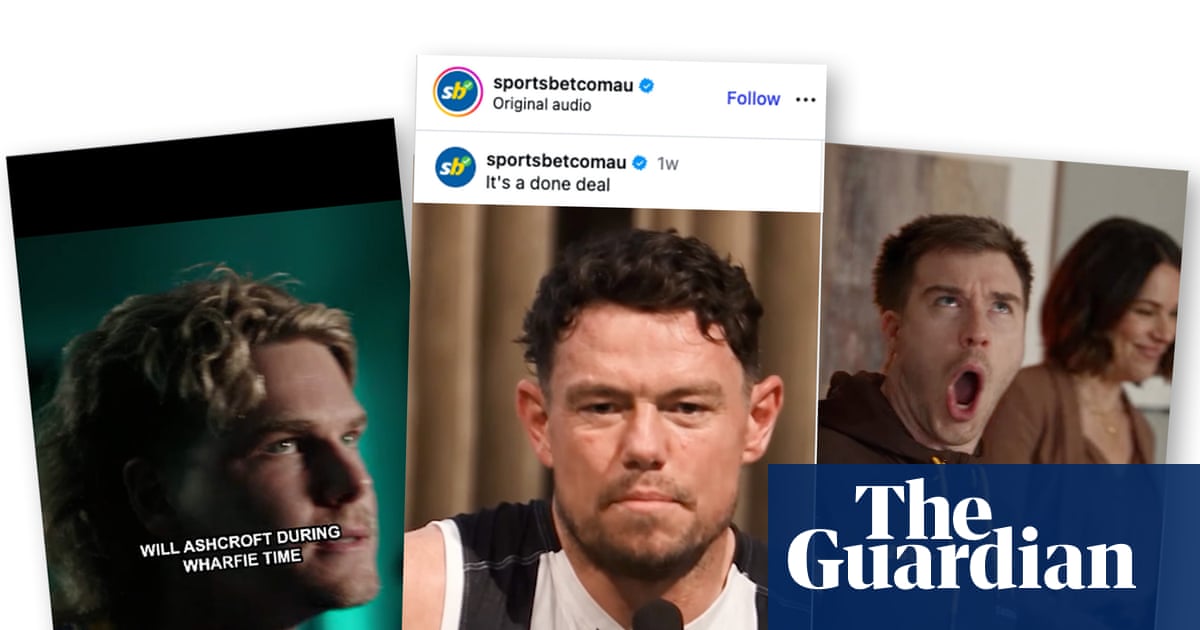
Sportsbet had published age-restricted AI-generated videos depicting AFL figures delivering altered lines from films, television and speeches in response to real events. The company removed the videos from its Instagram page on Tuesday afternoon after being contacted by Guardian Australia.
One video depicted former Brisbane Lions premiership player Lachie Neale accepting an award at his new club, Collingwood. The manipulated clip had him performing a line associated with rapper Snoop Dogg’s 2018 Hollywood Walk of Fame speech. Another video showed Brisbane Lions player Will Ashcroft delivering a line from the television drama Ozark in a sports-related context.
The report said Sportsbet had also created AI content using the images of Hawthorn coach Sam Mitchell and former North Melbourne coach Alastair Clarkson. The content was intended as humorous social-media material, but the AFL Players’ Association said it had concerns about its use.

Image rights and consent
The AFL Players’ Association, which represents players, wrote to the league late the previous week. It argued that the videos breached a collective bargaining agreement that limits how players’ images may be used by the league’s commercial partners.
That issue is distinct from whether a generated clip is technically convincing or clearly labelled. The central complaint described in the report is that recognizable athletes were used in commercial content without permission. AI makes such production easier and faster, but it does not remove the underlying questions of consent, compensation and the permitted use of a person’s image.
The AFL’s direction to its partner is therefore significant beyond the individual clips. It shows a rights-holder responding to synthetic media as a commercial-governance matter, not merely as an unusual social-media format.
Gambling context raises the stakes
Sportsbet’s videos were designed to build social-media engagement and attract audiences and customers, according to the report. Their use of players is particularly sensitive because the company is a gambling operator and because federal legislation will prohibit athletes from appearing in gambling advertisements when the new rules begin next year.
The material was age-restricted, but the broader concern is not resolved by an age gate. Player likenesses can carry authority and familiarity, while AI-generated speech can place people into messages they never recorded or approved. In this case, the content reportedly made athletes appear to say lines taken from popular culture and applied those lines to current AFL events.
Sportsbet said it was working with the AFL on the evolving use of AI in its content. That framing acknowledges that synthetic-media practices are still developing, while the AFL’s instruction establishes an immediate boundary for this case: do not feature players in such generated content without permission.

A test for sports partnerships
Sports leagues increasingly rely on sponsorship and digital engagement, while athletes depend on collective agreements and image-rights protections to control commercial uses of their identities. Generative AI intensifies the tension between those interests because it can create new video and audio at low cost without arranging a traditional recording session.
The dispute does not establish a universal rule for all AI depictions in sport. However, it offers a concrete example of how leagues and player representatives may respond: examine whether existing agreements cover generated uses, require consent, and intervene when partner content exceeds those bounds.
It also underscores the difference between using a player’s authorized promotional material and generating a new performance that the player did not give. For fans, the distinction may be blurred by a short social-media clip. For players, unions and commercial partners, it can be decisive.
What happens next
The immediate outcome is removal of the identified content and an AFL instruction to stop the practice. The longer-term outcome will depend on how the league, Sportsbet and the players’ association define acceptable AI use under their agreements, especially as the forthcoming gambling-advertising restrictions take effect.
For now, the episode signals that synthetic depictions of athletes are unlikely to be treated as a regulatory or contractual blank space. In a commercial setting involving gambling, the combination of an athlete’s likeness, generated speech and promotional reach has prompted a clear response from the league and its players’ union.
This article is based on reporting by The Guardian. Read the original article.

Originally published on theguardian.com