GXO Logistics and Agility Robotics are expanding the use of Digit, a humanoid robot designed for material-handling work, to two additional GXO sites in North Carolina and Tennessee. The move follows a commercial deployment that began in late 2023 at a GXO facility in Flowery Branch, Georgia.
The expansion is notable because it moves the partnership beyond a single live-operation site. Humanoid robotics has attracted intense interest across logistics and manufacturing, but real deployments remain a more demanding test than demonstrations. GXO and Agility say Digit has moved more than 100,000 totes at the Georgia facility, where it has worked alongside existing automation.
The companies did not present the announcement as a wholesale replacement for warehouse workers. Instead, the rollout centers on repetitive material-handling tasks and on extending a system that has accumulated operating experience in an active logistics environment.
From commercial trial to additional facilities
GXO and Agility first put Digit into operation under a commercial agreement in 2023. The companies described that arrangement as the industry’s first commercial deployment of humanoid robots in live operations and the first robotics-as-a-service agreement for humanoid robots.
That distinction is important in a market crowded with prototypes and pilot programs. Warehouses are complex environments, with changing inventory flows, safety requirements, fixed automation systems and people working in the same space. A robot’s usefulness depends not only on whether it can complete an individual movement, but whether it can do so reliably as part of a broader operation.
According to the companies, Digit’s work at the Flowery Branch site involved moving totes and placing them with existing automation. Agility says it has logged more than 65,000 hours of real-world operation while working with industry safety standards.
The North Carolina and Tennessee deployments will test whether that operating model can be repeated at new sites. Expansion to multiple facilities is not, by itself, proof that humanoid robots can be deployed universally. It is, however, a concrete sign that GXO sees enough value in the system’s performance to broaden the partnership.
What Digit is being asked to do
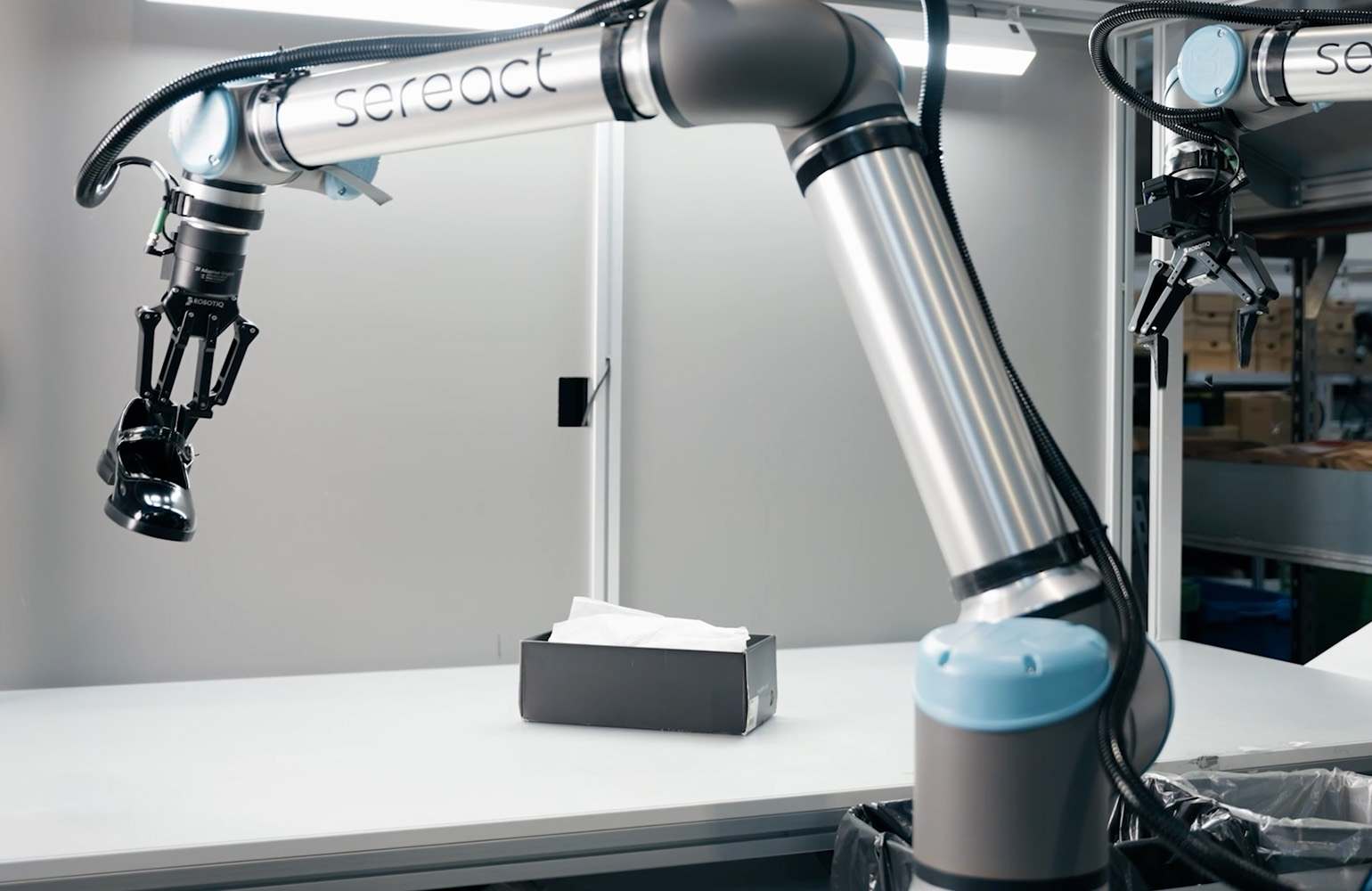
Digit is aimed at repetitive material movement rather than a broad, human-equivalent set of warehouse duties. The robot is supported by Agility Arc, the company’s cloud-based fleet-management and integration platform.
This pairing reflects a practical reality of warehouse automation: useful robots need to fit into a facility’s software, workflows and existing machinery. Fleet management can help operators supervise deployments, integrate robots with other systems and manage more than one unit or site.
The emphasis on totes is also revealing. Totes are a standardized type of container widely used in fulfillment and distribution operations. A well-defined task and object can provide a narrower, more repeatable starting point for robotics than an open-ended warehouse role.
For GXO, a large contract logistics provider with more than 150,000 employees across over 1,000 facilities, even a limited task can matter if it is frequent and can be carried out consistently. The company says its facilities total more than 200 million square feet globally.
A signal for the humanoid robotics market
Agility chief executive Peggy Johnson characterized the expanded deployment as evidence that customers are moving from asking whether humanoid robots can work to deciding where they can scale. That is the commercial proposition being tested: not merely a robot’s ability to walk and manipulate objects, but whether it can be introduced in a disciplined way at additional operating sites.
The announcement comes as Agility prepares to go public through a planned merger with special-purpose acquisition company Churchill Capital Corp. XI. The company said it recently received U.S. Securities and Exchange Commission approval for that transaction.
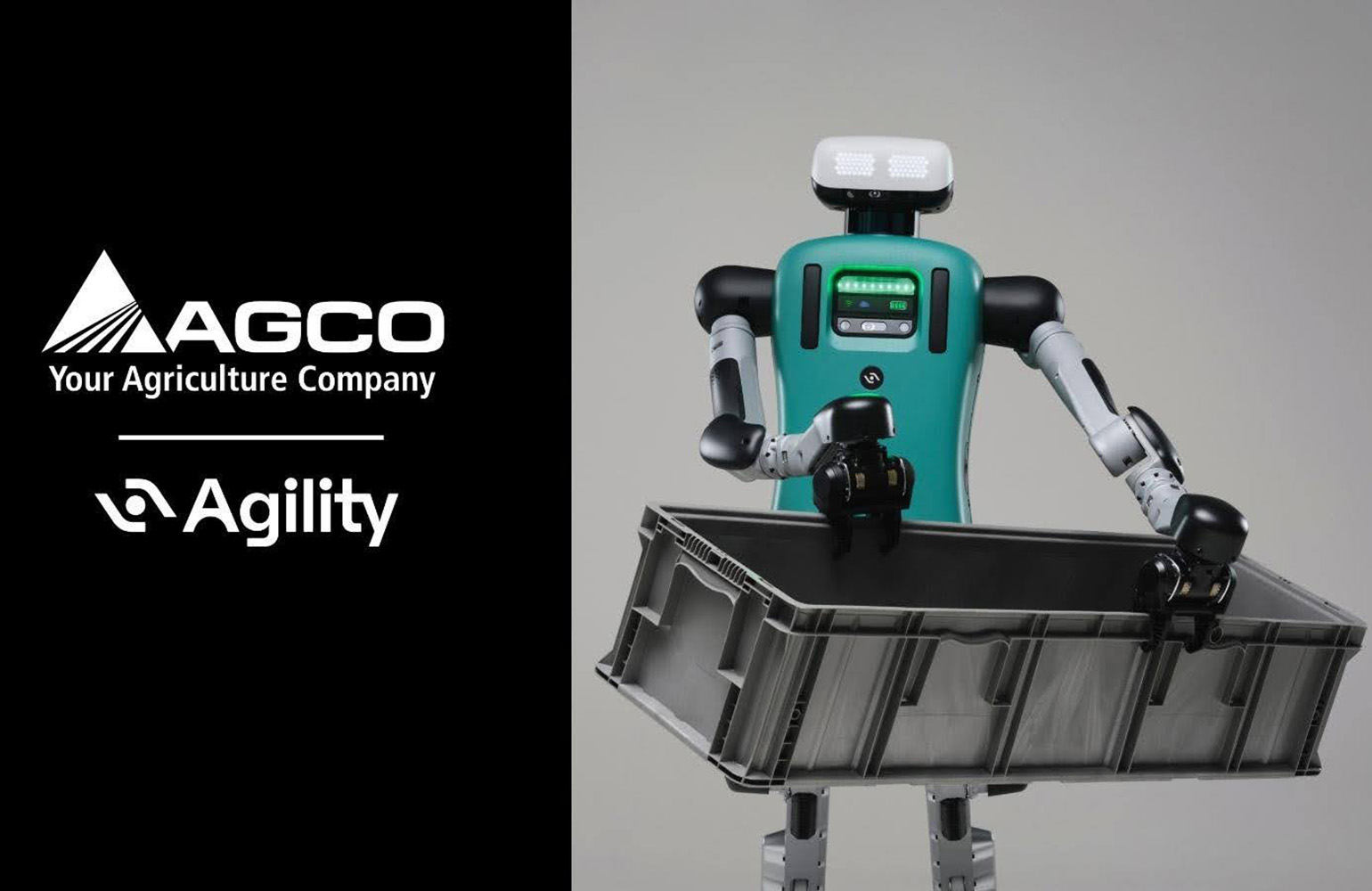
Agility has also continued to build partnerships around the platform. This month, it selected Nyobolt for fast charging, expanded a partnership with NVIDIA, and said it plans to deploy Digit at an AGCO agricultural-equipment factory in 2027.
Those developments point to the different pieces needed to make a commercial robotics program work: power systems, computing and software partners, specific customer deployments, and financing for manufacturing and support. The GXO expansion adds an especially relevant piece because it concerns live logistics operations rather than a future plan alone.

Scale remains the central question
The next measure of success will be how Digit performs across the new GXO sites. The companies have identified the locations, but the available information does not specify how many robots will be used, the precise tasks at each facility, or the long-term economics of the deployment.
Those details will matter. A robot can be technically capable while still being difficult to scale if integration, maintenance, charging, supervision or workflow changes outweigh its operational benefit. Conversely, a repeated deployment may show that a particular warehouse task is mature enough for wider adoption.
For now, the expansion provides a clearer marker than a laboratory demonstration: a logistics company that has used Digit in live work since 2023 is adding it to two more sites. The decision will be watched closely as a test of whether humanoid robots can become a repeatable part of warehouse operations.
This article is based on reporting by The Robot Report. Read the original article.
Originally published on therobotreport.com