Google’s October AI roundup points to a broader product push
Google has published a recap of its AI announcements from October 2026, centering on new Gemini models, an interactive simulation system, AI-content verification tools and security features. The update is a roundup rather than a single product launch, but it offers a useful picture of how the company is positioning its AI work across consumer products, developer platforms and enterprise services.
The company said October included the global rollout of Gemini 4 Argon, a frontier reasoning model intended for complex work, and the subsequent announcement of Gemini 4 Carbon, which Google describes as its strongest model for long-horizon engineering and cybersecurity defense. Google also highlighted Genie 4, a system for building real-time interactive simulations with native audio.
Those announcements arrive alongside efforts to place AI in more practical and safety-focused contexts. Google cited updates to Android aimed at blocking sophisticated scams, as well as SynthID Detector, a tool intended to help people determine whether content was generated by AI.
Gemini 4 Argon targets complex tasks across Google services
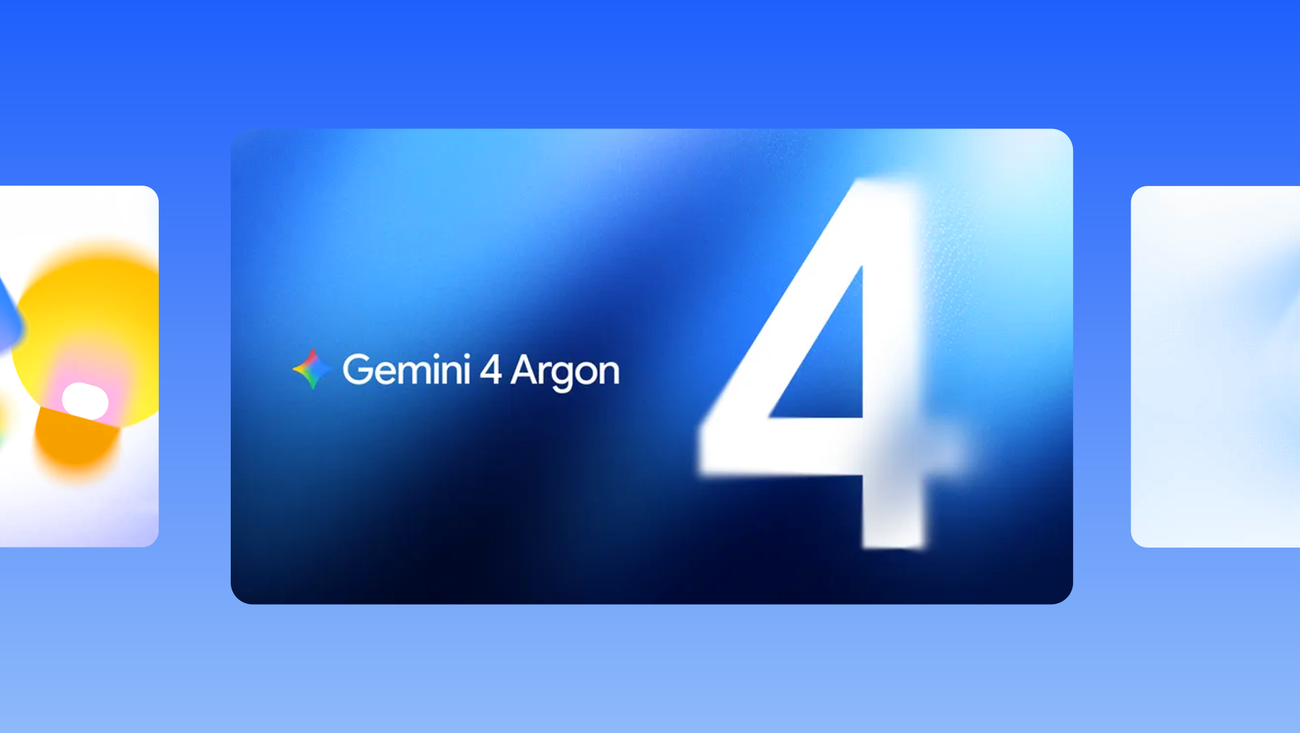
Google said Gemini 4 Argon became available globally after early safety testing. The company listed complex coding, financial analysis and legal workflows among the uses it is targeting for the model. According to the roundup, Argon is available through Google AI Studio, the Gemini API, Google Cloud, Search and the Gemini app.
The breadth of those distribution channels matters. A model release in an API can be significant for developers, but putting the same capability into consumer search and app products can bring it to a far larger audience. It also means that a model’s performance, safeguards and limitations may have consequences across very different settings, from individual research tasks to enterprise software development.
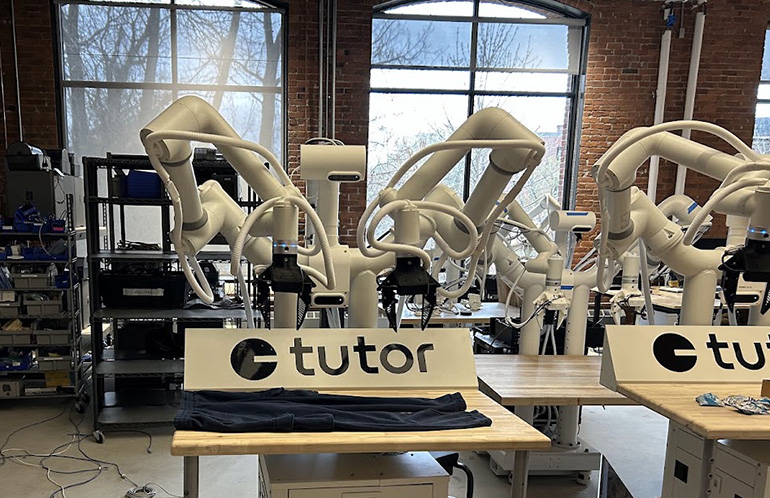
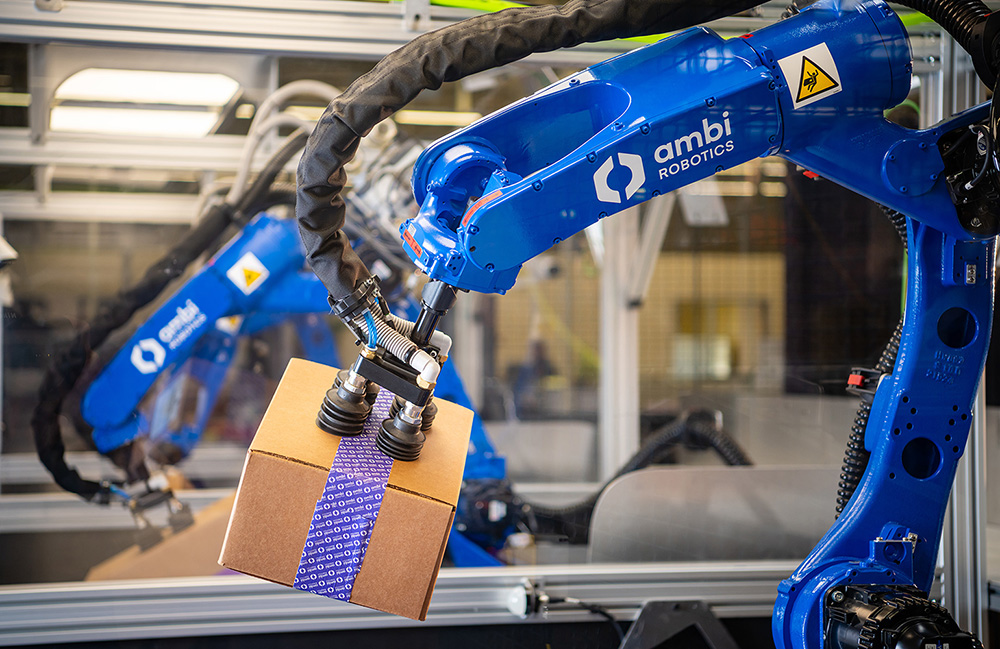
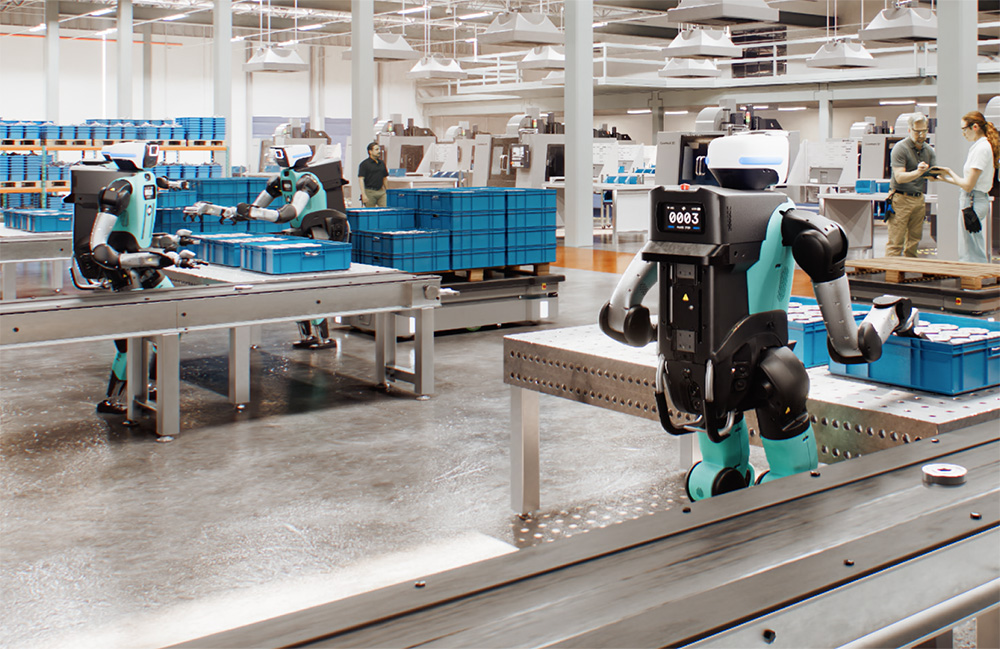
Google also said Gemini 4 Argon is being used for physical-world reasoning through Gemini 4 Argon for Robotics. The company did not provide further technical details in the supplied announcement, but the reference shows that it sees its latest model work as extending beyond text-based assistants and into systems that need to reason about real-world environments.
Carbon and Genie 4 broaden the emphasis
Google announced Gemini 4 Carbon two weeks after the Argon rollout, according to the company’s recap. It characterized Carbon as its strongest model yet for long-horizon engineering and cybersecurity defense. The pace of that sequence is notable: Google is presenting a rapid cadence of model announcements while emphasizing that safety guardrails are advancing alongside the underlying capabilities.
In the same month, Google unveiled Genie 4, described as a tool for real-time interactive world simulation with native audio. Interactive simulations are a distinct application category from conventional chat interfaces. They suggest uses where people can explore, test or learn inside responsive environments rather than simply receive a written answer.
Google’s roundup also referenced a new Google Fitbit Edge device and an advance the company described as breaking a 20-year bottleneck in quantum computing. The post does not provide enough detail to assess either development independently, but their inclusion illustrates how Google is grouping AI with adjacent investments in consumer hardware and advanced computing.
Verification and fraud prevention remain part of the message
Alongside model launches, Google highlighted features designed to address risks associated with AI-enabled content and online fraud. SynthID Detector is intended to help verify whether content is AI-generated. In an environment where generated images, audio and text can circulate quickly, provenance tools are becoming part of the product landscape, not just a research topic.
The company also pointed to Android updates intended to block sophisticated scams. That focus is consequential because fraud prevention is one of the clearest areas where AI systems can be used both offensively and defensively. Google’s summary does not quantify the feature’s effectiveness, so it should be viewed as a product announcement rather than evidence of a measured reduction in scams.
What the roundup signals
Google’s October recap is primarily a statement of direction: more capable reasoning models are being distributed through multiple Google surfaces; simulation and robotics are being presented as important frontiers; and security, safety and content provenance are being positioned as essential companions to capability gains.
The company’s own description should not be read as an independent benchmark of performance. Still, the combination of API access, cloud availability, consumer distribution and security-oriented features makes the update more than a routine model announcement. It shows an effort to make AI infrastructure and AI applications mutually reinforcing across Google’s product portfolio.
- Gemini 4 Argon was rolled out globally following early safety testing.
- Google said Gemini 4 Carbon focuses on long-horizon engineering and cybersecurity defense.
- Genie 4 is designed for real-time interactive simulations with native audio.
- Android scam protections and SynthID Detector were included in the October update.
This article is based on reporting by Google AI Blog. Read the original article.
Originally published on blog.google