A Small Tool With a Specific Job
Modern vehicles are packed with sensors, control modules and scan-based diagnostics, but old-fashioned ignition problems still send drivers back to basic tools. One of the simplest is the spark plug tester, a device designed to confirm whether a plug is firing and, in some cases, provide a rough sense of ignition performance.
That may sound narrow, and it is. But narrow does not mean useless. The supplied source material makes a practical case that spark plug testers remain relevant when a driver is trying to determine whether a misfire actually comes from a failed spark plug, rather than replacing parts by guesswork.
The appeal is straightforward: diagnostics can save both time and money. If an engine is misfiring, a driver may suspect a spark plug is at fault. Yet if the plugs are still well inside their expected service life, replacing the full set can be an expensive gamble, particularly when the vehicle uses premium iridium or racing plugs. In that situation, a simple tester can help answer a basic question before money is spent.
Why the Economics Still Matter
The article’s strongest practical point is cost discipline. Ignition components are not all priced the same, and high-end spark plugs can be significantly more expensive than basic copper versions. That changes the math for anyone maintaining a performance car, a vehicle with premium parts, or a fleet of small engines.
Instead of throwing new parts at an uncertain problem, a tester can help narrow the issue. If spark is present, the fault may lie elsewhere. If spark is absent or inconsistent, the plug, cable or coil becomes a more likely target for repair. The tool does not deliver a complete diagnosis by itself, but it can reduce wasted replacement.
That distinction matters because many vehicle problems present with similar symptoms. A rough idle, misfire or failure to start can originate from fuel delivery, compression, ignition hardware or electronic controls. A spark tester cannot sort all of that out, but it can eliminate one layer of uncertainty quickly.

Where Spark Plug Testers Make the Most Sense
According to the source text, spark plug testers are particularly useful in two scenarios.
- Vehicles using costly spark plugs, where replacing the full set is a meaningful expense.
- Small engines, such as yard equipment, where the spark plug is easily accessible and a quick inline test is simple to perform.
That second use case is important. Lawn and yard equipment often exposes the ignition lead and plug in a way that makes testing fast and convenient. In those machines, an inline tester can be inserted between the plug and the cable, and the engine can then be cranked to see whether spark is present. For mechanics, homeowners and anyone maintaining multiple small engines, that simplicity is the real value proposition.
The Main Types of Testers
The source describes several types of spark plug testers, each with a different balance of convenience and information.
Inline Testers
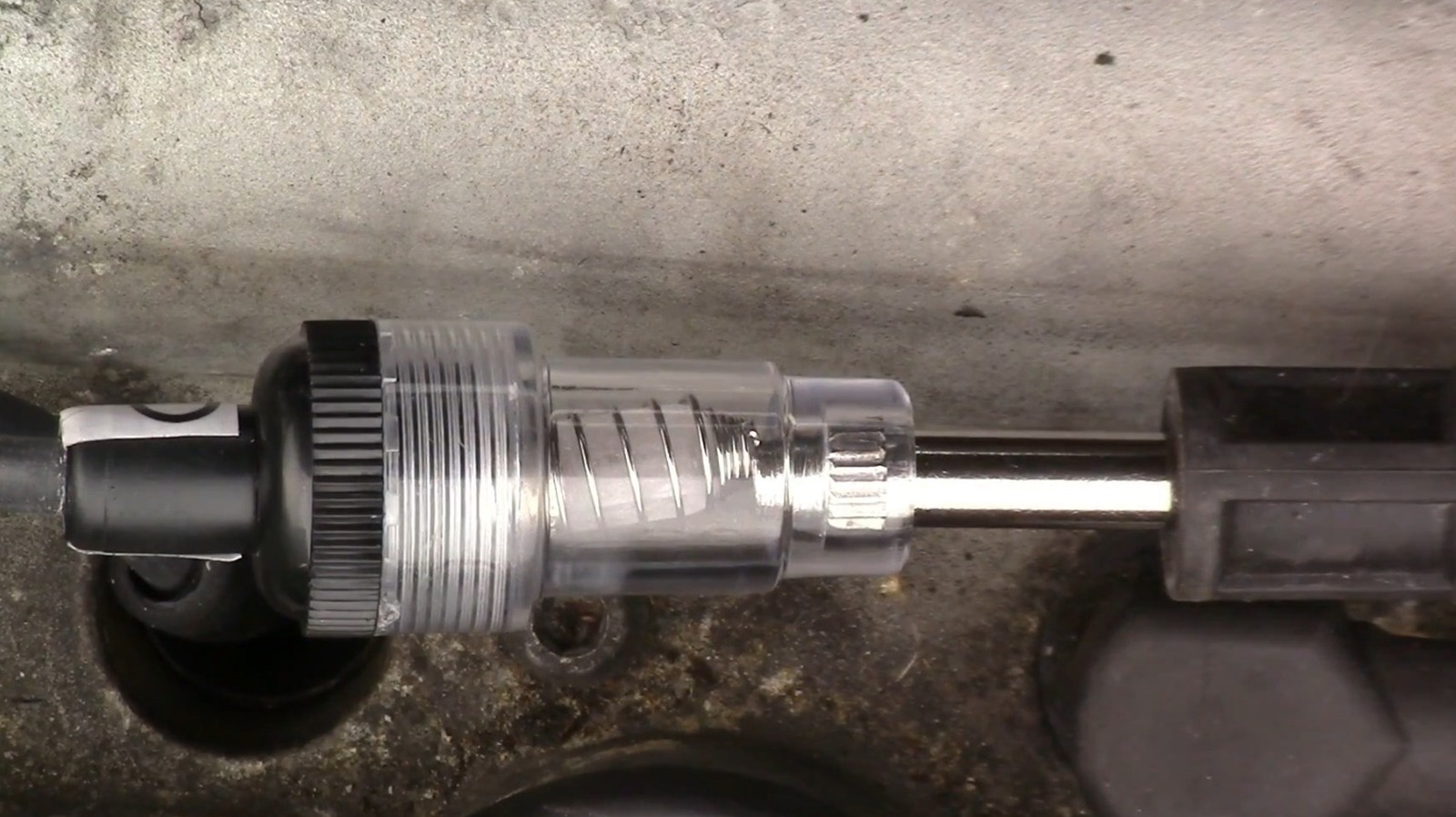
This is presented as the simplest and most practical option. The tester is attached between the spark plug and the cable or coil pack, and the user cranks the engine. If the indicator flashes, spark is present. The tool does not provide a full technical profile of the ignition system, but it quickly confirms whether the circuit is firing.
For many users, that is enough. The article recommends this type as the most useful general-purpose choice because it is easy to use and avoids unnecessary complexity.
Adjustable-Gap Testers
These testers can show how long a spark can be produced, which may offer clues about ignition-coil strength. That potentially gives more information than a simple flash indicator. But the source also notes a tradeoff: because sparks are inherently unpredictable, there is some risk of being shocked while using this type of tool.
That makes the adjustable-gap design more specialized. Unless a user specifically needs insight into spark strength, the simpler inline design appears to be the more practical recommendation in the supplied material.
Socket-Style Testers
The source also mentions a box-style tester that allows users to insert plugs and observe the spark directly. It is described as visually interesting, but less useful than an inline tester because real spark formation inside an engine cylinder occurs under compression, a more demanding environment than an exposed test box can recreate.
In other words, the tool may be informative, but it is less representative of real operating conditions.

Why Many Drivers Still Will Not Need One
The article does not argue that every driver should buy a spark tester. In fact, its broader message is more restrained. For many people, the need will be rare. If a driver does not work on small engines, does not use expensive spark plugs and does not routinely troubleshoot ignition issues, the tester may stay in a toolbox unused.
That is a fair limitation. A spark plug tester is not a universal diagnostic solution, nor is it a must-have purchase for casual drivers who rarely perform their own maintenance. Its usefulness depends heavily on the type of equipment being serviced and the owner’s willingness to diagnose problems before replacing parts.
There is also the reality that a positive spark indication does not prove a plug is functioning perfectly under all conditions. Likewise, a weak or inconsistent result can still require further investigation into wires, coils or related components. The tool narrows possibilities; it does not end the repair process.
A Broader Lesson in Vehicle Maintenance
The deeper takeaway is not really about spark plugs alone. It is about the value of targeted diagnostics. As vehicles become more complex, many repairs still begin with basic confirmation: is fuel present, is compression healthy, is spark available? Tools that answer those questions quickly still have a place.
That makes the spark plug tester less of a relic than it first appears. It occupies a narrow lane, but within that lane it can prevent unnecessary spending and support more disciplined troubleshooting. For people maintaining small engines or vehicles with expensive ignition components, that can be enough to justify the purchase.
For everyone else, the answer is more conditional. A spark plug tester is not remotely necessary in every garage. But as the supplied source makes clear, it is also far from pointless. When used in the right context, it remains a cheap, focused tool that can still do exactly what good diagnostic equipment is supposed to do: replace guesswork with evidence.
This article is based on reporting by Jalopnik. Read the original article.

Originally published on jalopnik.com