California extends EV incentives to commercial fleets
California is preparing a major new incentive program for electric trucks, using one of the same policy tools that helped accelerate passenger EV adoption. The California Air Resources Board announced a $1 billion rebate initiative for medium-duty and heavy-duty battery-electric vehicles, with point-of-sale discounts scheduled to begin on June 26.
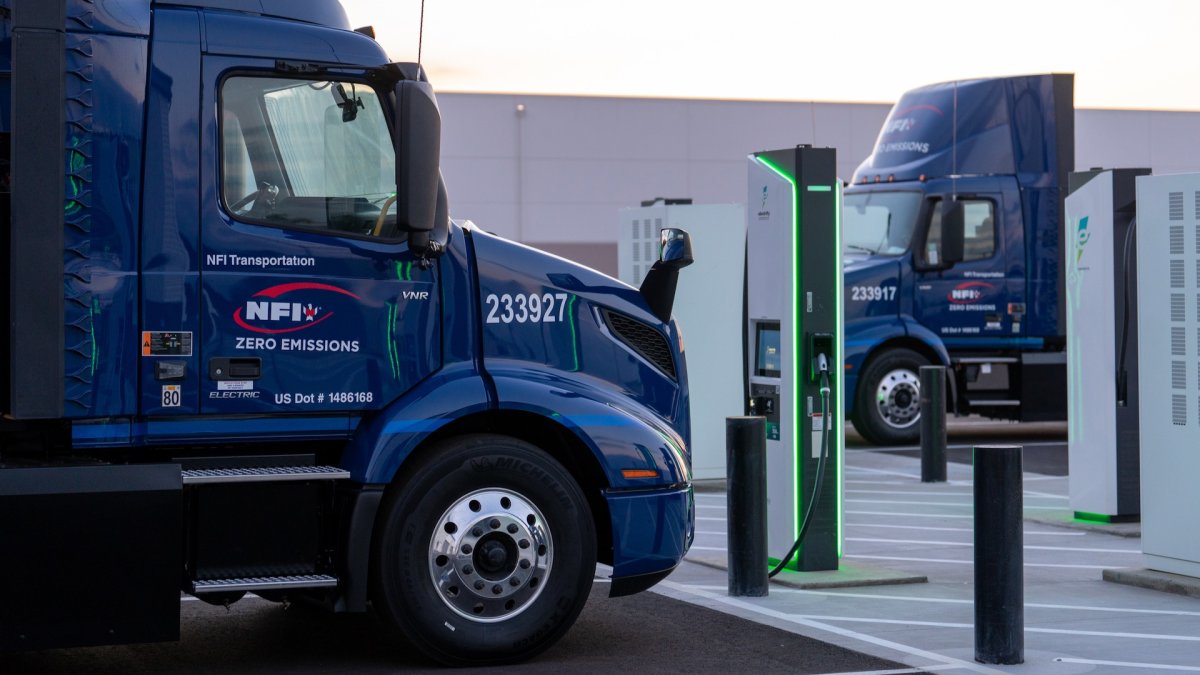
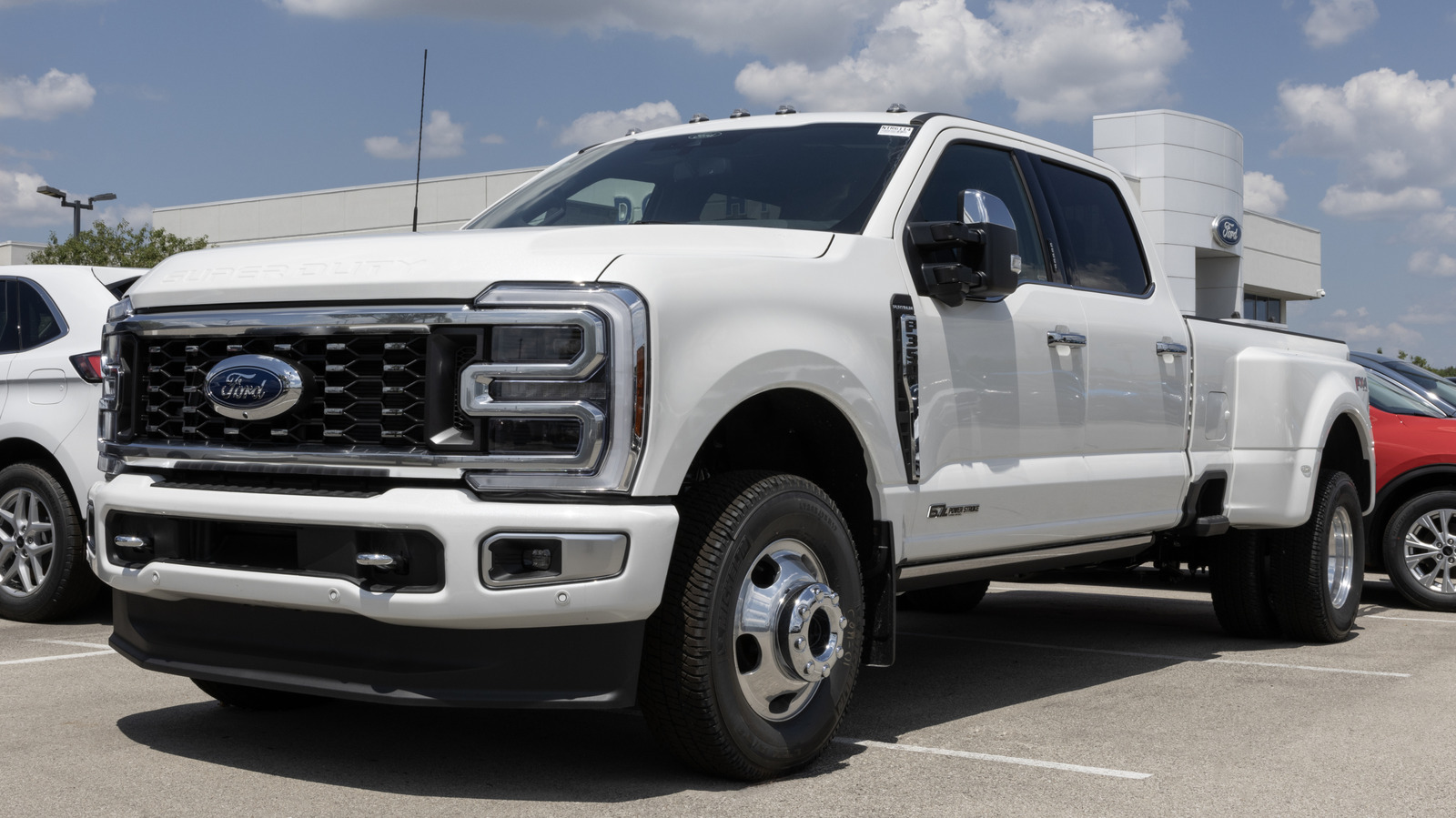
The program, called California Clean Fuel Rewards, will offer fleet buyers rebates ranging from $7,500 to $120,000 depending on vehicle class. It applies to Class 2B through Class 8 battery-electric commercial vehicles, a range that includes pickup trucks, delivery vans, box trucks and semis.
A practical policy change, not just a headline target
The most important design choice may be the delivery mechanism. Rather than requiring fleet operators to file for reimbursement later, the state plans to provide the incentive at the point of sale. That lowers friction for buyers, improves purchase visibility and can make financing decisions easier, especially for smaller operators weighing high upfront vehicle costs.
The source text notes that California is already signing up dealers before the June 26 launch. That dealer-side preparation matters because incentive programs can stall if the retail channel is not ready to translate policy into transactions.
What qualifies and what does not
The rebate is limited to new battery-electric commercial vehicles. Hybrids, used vehicles and battery-electric motorcycles are excluded. Hydrogen fuel-cell trucks are also outside the program, despite California having hosted high-profile fuel-cell truck demonstrations in freight corridors and port operations.
There is also some fine print around the smallest qualifying vehicles. The lowest rebate level, $7,500 for Class 2B vehicles such as pickups, can only be claimed by public fleets. At the larger end of the market, the incentives rise sharply, reflecting both the higher cost of heavy vehicles and the greater emissions impact they can have over long operating lives.
Why trucks are a harder decarbonization problem
Passenger EVs dominate public conversation, but truck electrification is where policy design becomes more difficult and more consequential. Commercial vehicles often travel far more miles than privately owned cars and produce much higher tailpipe emissions. That makes each vehicle replacement potentially significant from an air-quality and climate standpoint.
But those same vehicles face tougher operating constraints. Fleets care intensely about route certainty, charging access, depot upgrades, payload tradeoffs and total cost of ownership. That is why direct purchase support remains central. A rebate does not solve infrastructure, but it can narrow the cost gap enough to bring more fleets into the market.
Funded by California’s fuel standard system
The new program will be funded through revenue from California’s Low Carbon Fuel Standard. Established in 2009, the standard sets lifecycle emissions targets for transportation fuels. Companies that miss those targets must acquire credits, creating a market-based mechanism that California is now using to help subsidize cleaner vehicle purchases.
That structure is notable because it connects emissions regulation and industrial transition more directly. Instead of treating compliance and adoption as separate policy tracks, California is using one to finance the other.
What to watch next
The program’s impact will depend on whether fleets that were already interested in electrification move faster, and whether more skeptical operators are persuaded to test battery-electric trucks at all. The point-of-sale model gives California a chance to influence actual procurement behavior, not just generate policy signaling.
For truck makers and dealers, the announcement is also a demand cue. If the rebate is easy to use and inventory is available, California could strengthen its role as an early market for commercial EV deployment. If rollout is uneven, the program may still reveal where the real barriers now sit: financing, charging, operations or vehicle availability.
Either way, the state is making a clear policy argument. Passenger EVs were only the first phase. The next large-scale emissions fight is in commercial transport, and California intends to use direct incentives to shape that transition.
This article is based on reporting by The Drive. Read the original article.
Originally published on thedrive.com