A New Era of Connected Volvo Ownership
Volvo has begun deploying one of the largest over-the-air software updates in automotive history, reaching approximately 2.5 million vehicles across its global fleet. The update delivers a completely redesigned infotainment experience along with expanded driver-assistance capabilities, marking a significant step in the Swedish automaker's push toward software-defined vehicles.
The rollout covers multiple model years and vehicle lines, bringing a unified digital experience to cars that were previously running older iterations of Volvo's in-car software. Owners of eligible vehicles will receive the update automatically over Wi-Fi, with no dealership visit required.
Redesigned Infotainment Interface
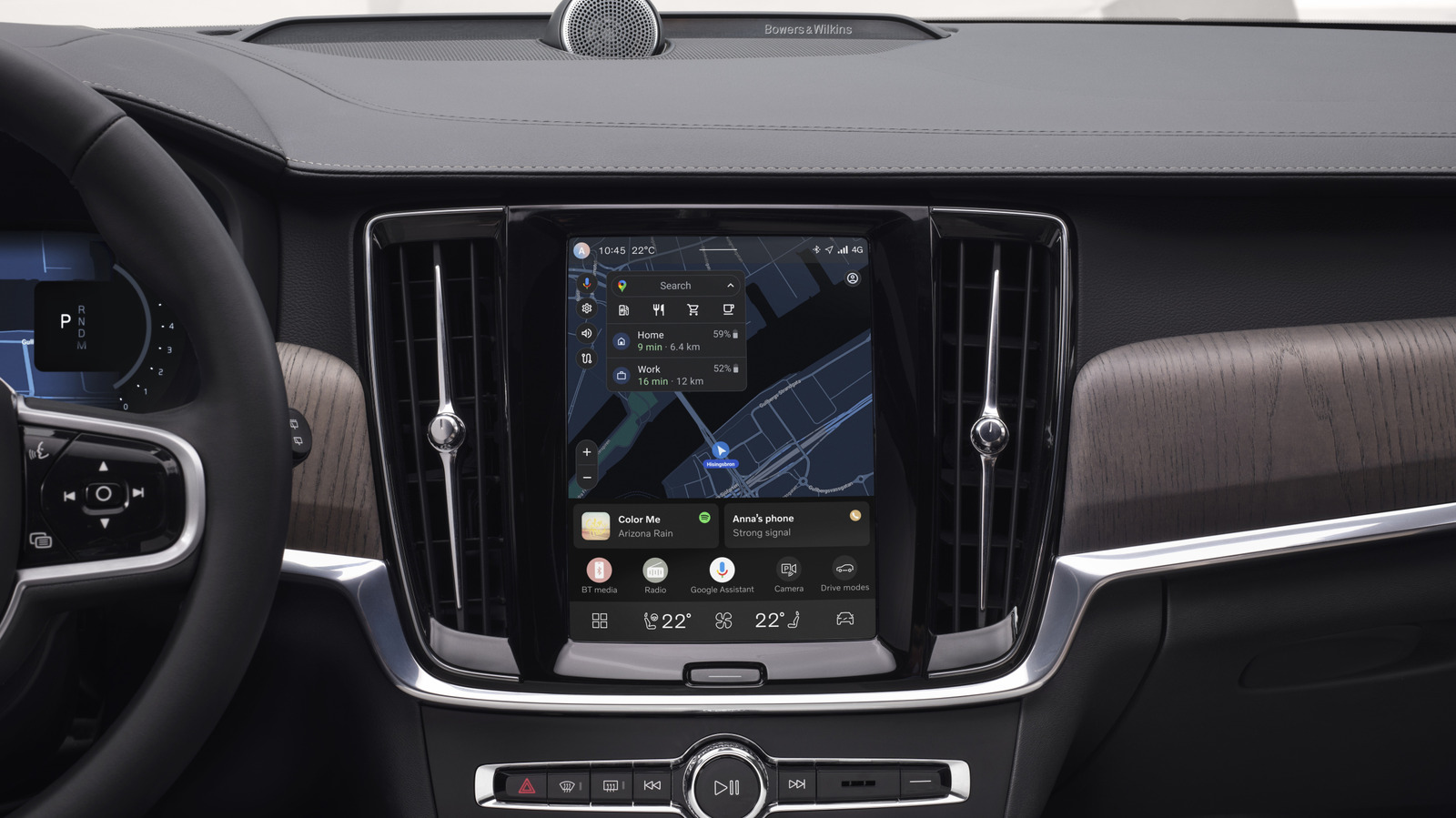
At the heart of the update is a completely overhauled user interface for Volvo's infotainment system. The new design prioritizes simplicity and ease of use, with cleaner menus, larger touch targets, and more intuitive navigation through vehicle settings and media controls.
Volvo's engineering team worked to reduce the number of taps required to access commonly used features such as climate control, navigation, and audio settings. The home screen now offers customizable widgets that surface the information drivers use most frequently, whether that is navigation prompts, media playback, or phone connectivity.
Typography and visual hierarchy have been refined throughout, with improved contrast ratios that make the display easier to read in both bright sunlight and nighttime driving conditions. The company says the redesign was informed by extensive user research and real-world driving behavior data collected from its connected fleet.

Pilot Assist Comes to More Cars
Perhaps the most significant element of the update is the expansion of Pilot Assist, Volvo's semi-autonomous driving system, to vehicles that did not originally ship with the feature. Pilot Assist combines adaptive cruise control with lane-keeping assistance, allowing the car to maintain speed, keep a safe following distance, and stay centered in its lane on well-marked highways.
Previously, Pilot Assist was only available on certain trim levels and model years. The OTA update effectively unlocks the feature for cars whose hardware already includes the necessary sensors and cameras but lacked the software activation. This approach mirrors a growing industry trend in which automakers sell hardware-equipped vehicles and later enable features through software, sometimes for an additional fee.
Volvo has not indicated whether the Pilot Assist activation will come at an extra cost or be included as a complimentary update. The company has historically taken a more consumer-friendly approach to feature unlocking compared to some competitors who charge subscription fees for built-in hardware capabilities.
Scale of the Rollout
Reaching 2.5 million vehicles with a single OTA campaign is a logistical achievement that underscores Volvo's investment in its connected vehicle infrastructure. Each update must be validated across different hardware configurations, regional software variants, and cellular and Wi-Fi connectivity conditions.
The automaker has built out a robust backend system capable of managing staged rollouts, monitoring update success rates in real time, and rolling back changes if unexpected issues arise. This infrastructure has been years in the making and positions Volvo alongside Tesla, BMW, and a handful of other manufacturers who can reliably push major software updates to large portions of their fleet simultaneously.
Industry analysts note that OTA capability is increasingly becoming a competitive differentiator in the automotive market. Consumers now expect their vehicles to improve over time, much like smartphones receive regular software updates that add features and fix bugs.
Implications for the Industry
Volvo's mass OTA deployment reflects a broader transformation in how automakers think about the vehicle lifecycle. Rather than treating the moment of sale as the end of the product development process, manufacturers are now building cars as platforms that can be continuously improved.
This shift has profound implications for dealership service models, customer retention, and even vehicle resale values. A car that receives meaningful software improvements years after purchase may hold its value better than one that remains static. It also creates new revenue opportunities for automakers who choose to monetize feature activations or premium software packages.
For Volvo, the update reinforces its positioning as a technology-forward brand that prioritizes both safety and user experience. The inclusion of Pilot Assist in more vehicles aligns with the company's long-standing commitment to reducing accidents and fatalities on the road.
This article is based on reporting by Jalopnik. Read the original article.
Originally published on jalopnik.com