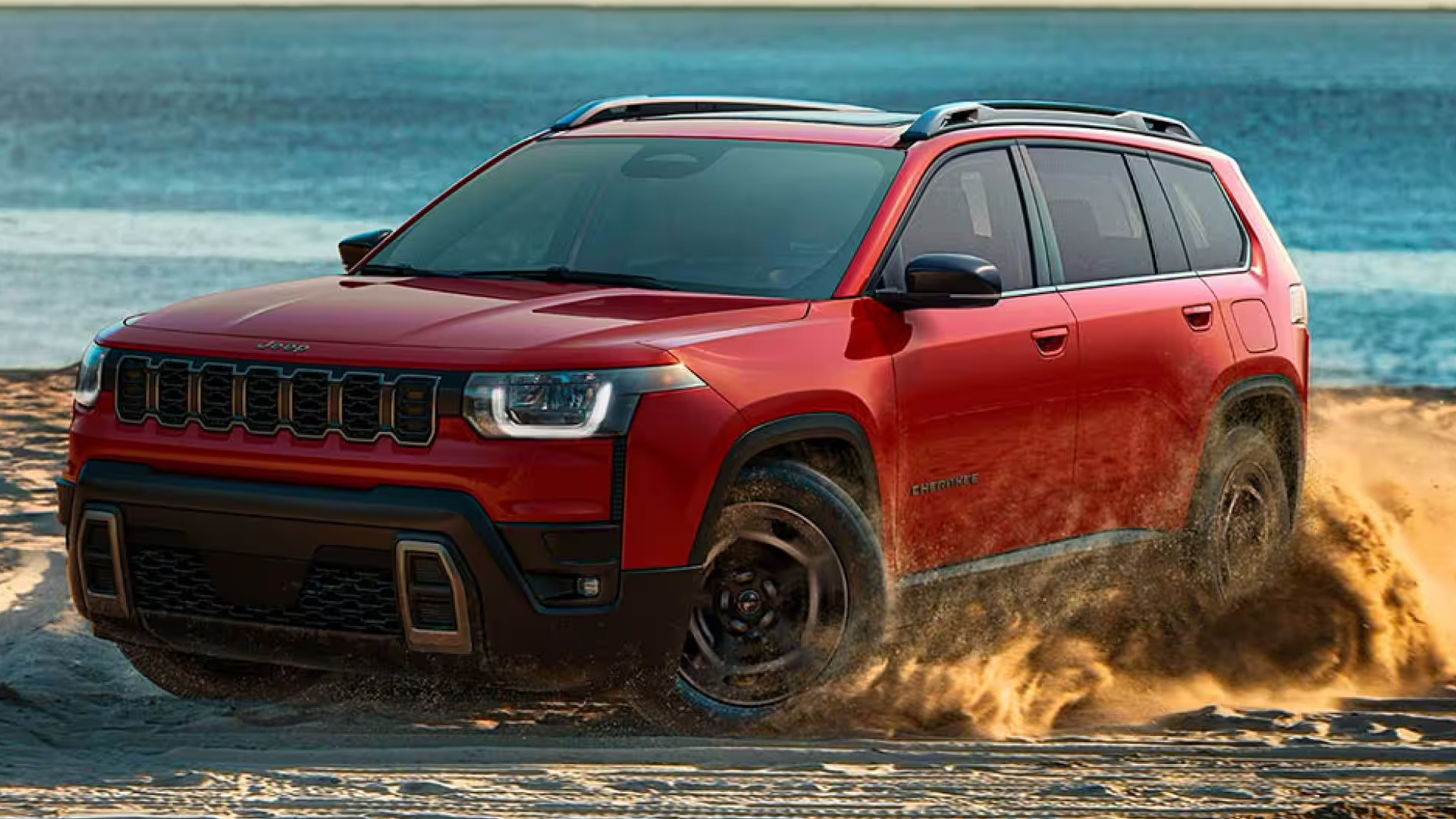
Stellantis appears ready to concentrate its recovery strategy
Stellantis is reportedly moving toward a more selective brand strategy, with CEO Antonio Filosa set to prioritize Jeep, Ram, Peugeot, and Fiat for increased investment while pushing other marques toward more regional roles. The reported plan, cited by Reuters in the supplied source material, signals a sharper allocation of capital inside one of the industry’s most sprawling brand portfolios.
For a company built through consolidation, that would be a consequential shift. Stellantis controls a large stable of historic names across North America and Europe, and scale has long been presented as a strength. But scale can also diffuse focus. A portfolio this broad inevitably raises questions about which brands drive future growth, which ones justify major product spending, and which can no longer be treated as globally central.
Why four brands matter most in this framework
The logic of the reported move is straightforward even from the limited source detail. Jeep and Ram anchor important positions in North America, where utility vehicles and trucks remain strategically valuable. Peugeot and Fiat, meanwhile, are major names in Europe and adjacent markets, giving Stellantis two legacy brands with broad recognition and room for product positioning. Concentrating resources around those pillars would give the company a clearer internal hierarchy.
That kind of hierarchy matters in a period when automakers must simultaneously fund electrification, software, manufacturing upgrades, and region-specific competitive responses. The cost of spreading investment too evenly across many badges is high. Companies can end up underfunding the very brands most capable of delivering volume, margin, or strategic identity.
By contrast, emphasizing a smaller set of brands can simplify product planning and sharpen market messaging. It can also improve accountability: investors, suppliers, and dealers can more easily understand where the company intends to win rather than trying to parse a portfolio where every brand is theoretically important.

The challenge of being a multi-brand giant
The reported plan also highlights the downside of mega-merger logic in the automotive industry. Combining brands creates breadth, but breadth eventually forces triage. Some marques will be better positioned for global expansion, others for local relevance, and some may struggle to justify large independent roadmaps. Shifting certain brands to regional roles is one way of acknowledging that not every nameplate needs the same level of investment or worldwide ambition.
Still, regionalization is not a neutral label. Within global car companies, it often implies tighter budgets, narrower product mandates, or less central importance in the company’s long-term narrative. That does not automatically mean decline, but it does mean the strategic center of gravity is moving elsewhere.
For Stellantis, the reported emphasis on Jeep, Ram, Peugeot, and Fiat suggests management believes the best path forward is concentration rather than equal treatment. That may help the company focus on brands with stronger market traction or more obvious turnaround potential, but it also raises questions about how the rest of the portfolio will be managed, differentiated, and justified.
What investors and competitors will watch
The immediate question is whether the strategy leads to clearer execution. A tighter brand focus is only valuable if it turns into product decisions, geographic commitments, and measurable improvement. Otherwise, it risks looking like internal ranking without operational follow-through. The report therefore matters less as a branding exercise than as a likely signal of where future model development, marketing effort, and capital spending will concentrate.
Competitors will also read the move as evidence that scale alone is no longer enough. The auto industry is entering a period where capital discipline is becoming more visible. Electrification, affordability pressure, and regional competition are forcing companies to choose their strongest positions more explicitly. Stellantis, if the report is borne out, is doing exactly that.
There is another important implication. A company that elevates a few core brands can often move faster because fewer internal constituencies are competing for the same strategic priority. That may be one reason the plan centers on increased funding for a limited set of marques. In a slower-growth, higher-investment environment, speed of decision-making can matter almost as much as total scale.
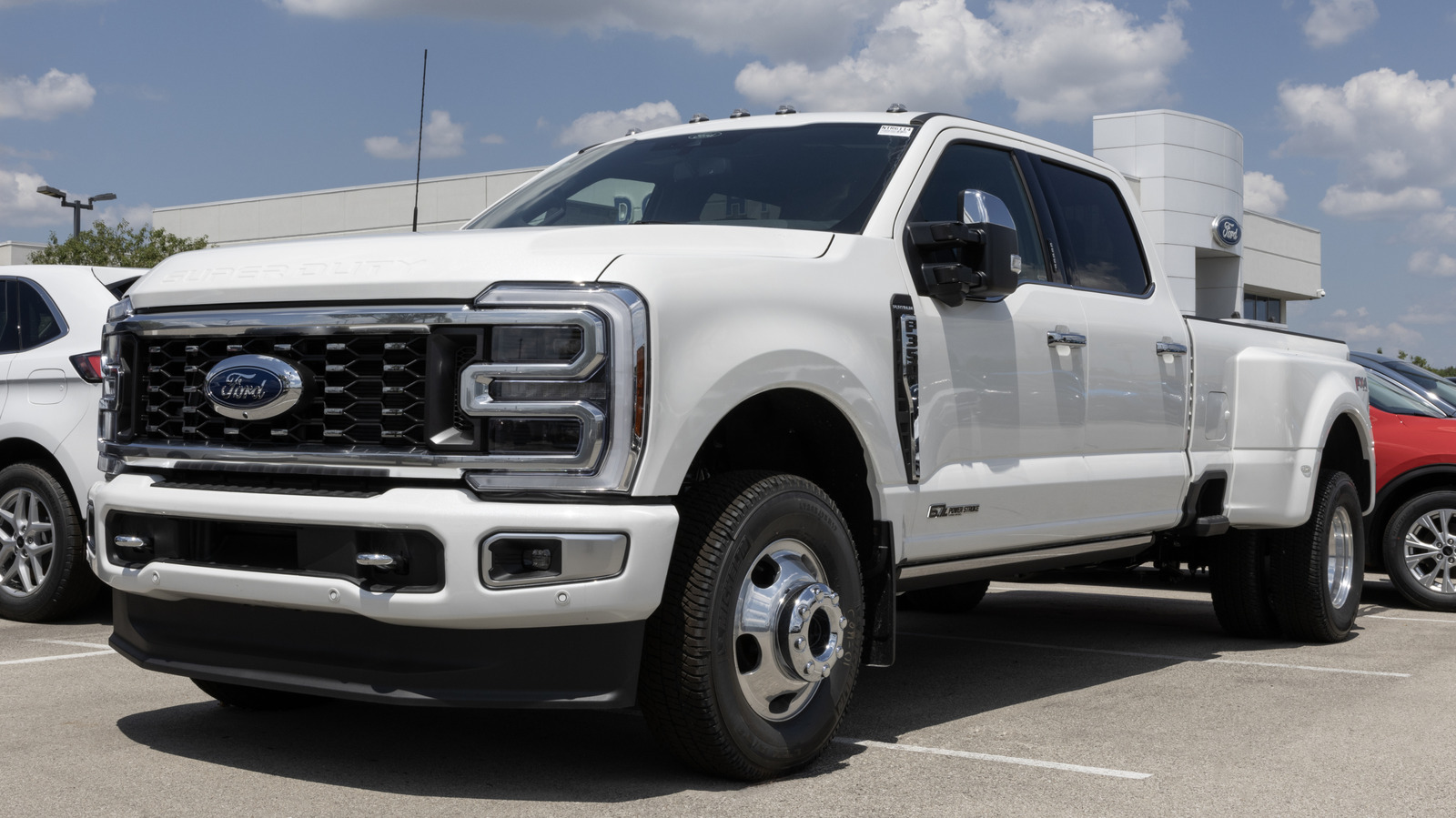
A portfolio strategy with clear tradeoffs
The reported approach is therefore both pragmatic and revealing. It suggests Stellantis sees its future not in evenly defending every historical badge, but in backing the names it believes can carry the heaviest strategic load. That may prove necessary. It may also expose tensions inside a company whose identity has long been tied to its breadth.
Either way, the message is hard to miss: capital allocation is becoming brand allocation. For a global automaker trying to reset direction, choosing winners inside the portfolio may be unavoidable. The real test will be whether a narrower focus gives Stellantis enough clarity to translate corporate scale into sustained competitive momentum.
- Reuters reports Stellantis will prioritize Jeep, Ram, Peugeot, and Fiat for increased investment.
- Other Stellantis brands are expected to take more regional roles under the reported strategy.
- The shift points to a more concentrated use of capital inside one of the industry’s largest brand portfolios.
This article is based on reporting by Automotive News. Read the original article.
Originally published on autonews.com