Chinese EV expansion is moving from exports to local production
XPeng is looking beyond selling cars overseas and toward building them there. According to Automotive News, citing Bloomberg, the Chinese electric-vehicle maker is in talks with overseas automakers and is considering new plants abroad as demand outside China exceeds its expectations.
The reported regions under review are Europe, Southeast Asia, and Latin America. That geographic spread matters. It suggests the company is not treating international growth as a niche export exercise, but as a manufacturing and industrial strategy that could become a permanent part of its business model.
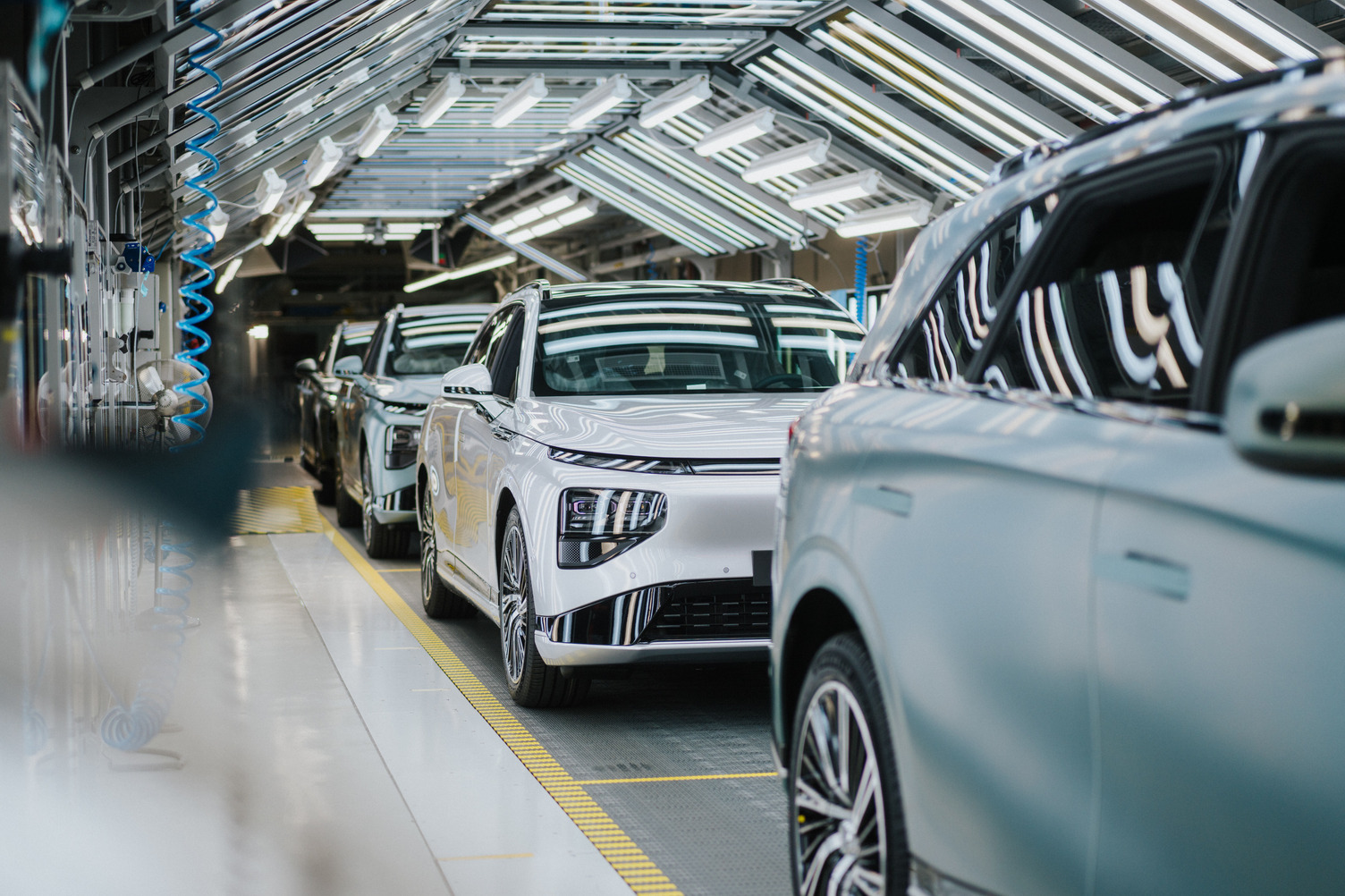
Automotive News also notes that XPeng already builds electric cars for Europe at contract manufacturer Magna Steyr’s plant in Graz, Austria. That existing arrangement offers a useful bridge between exporting finished vehicles from China and building a more localized production footprint under XPeng’s own longer-term plans.
Why local factories matter
For Chinese EV makers, overseas assembly is increasingly about more than logistics. Local production can shorten delivery times, reduce shipping exposure, and improve market access. It can also help manufacturers respond to tariffs, political scrutiny, and rules that favor regional industrial investment.
XPeng’s reported interest in new plants abroad therefore fits a wider shift in the auto industry. Once a company reaches a certain export volume, local manufacturing stops looking optional and starts looking like a tool for risk management.
The Automotive News summary frames the driver clearly: overseas demand for XPeng vehicles has exceeded expectations. That does not tell us exact sales volumes in the provided text, but it does support the core point that the company sees enough sustained interest to consider manufacturing closer to buyers.

Three regions, three distinct opportunities
Europe remains the most visible market on XPeng’s overseas roadmap in the supplied report. The presence of Magna Steyr production in Austria shows the company already has an operational foothold there. Europe offers large EV markets and an established premium-tech customer base, but it also comes with intense regulatory scrutiny and high industrial costs. For XPeng, deeper localization could strengthen credibility, but it would also raise the complexity of execution.
Southeast Asia presents a different case. The region is strategically attractive because it is still forming its long-term EV supply chains and can serve as both a consumer market and a manufacturing hub. Local partnerships may be especially important there if XPeng wants to scale efficiently.
Latin America, meanwhile, would broaden the company’s reach into a market where electrification is expanding unevenly but where early investment can shape future market position. The fact that XPeng is reportedly considering all three regions indicates a diversified international approach rather than a single-market bet.
Why talks with automakers stand out
The report says XPeng is in talks with overseas automakers. The supplied text does not specify which companies are involved or whether those talks concern joint manufacturing, technology sharing, contract production, or broader cooperation. Even without those details, the fact of such discussions is notable.
In the current auto market, partnerships can solve several problems at once. They can provide factory access, regulatory familiarity, distribution strength, and political cover. For a Chinese EV brand expanding abroad, working with established regional players may be faster and less risky than building every operation from scratch.
That possibility is especially relevant in markets where industrial policy now shapes competition as much as product quality does. A local partner can matter almost as much as a compelling vehicle lineup.
What this says about XPeng’s position
XPeng’s overseas manufacturing interest suggests the company believes its international momentum is durable enough to justify heavier investment. That is a stronger statement than simply announcing another export destination or dealer network.
It also reflects confidence in the company’s technology and brand proposition. Manufacturers do not start evaluating new foreign plants lightly. The commitment required in capital, supply chain planning, and political negotiation is too large for a short-lived sales spike.
The mention of Magna Steyr is useful here because it shows XPeng is already operating through one of Europe’s best-known contract manufacturing platforms. That gives the company an incremental path: learn through contract production, then deepen localization where demand supports it.
The broader industry shift
The move also highlights a wider transformation in the global auto sector. Chinese EV companies are no longer just low-cost challengers looking for export growth. The most ambitious among them are now behaving like global manufacturers, with multi-region industrial plans and cross-border partnership discussions.
That matters for incumbent automakers. Competition is no longer confined to vehicle imports landing in domestic ports. It increasingly involves Chinese brands embedding themselves into regional production networks and pursuing a more durable presence.
If XPeng succeeds in establishing additional overseas plants, it would reinforce the idea that the next stage of EV competition will be fought through local manufacturing strategies, not just product launches and pricing.
What to watch next
The supplied report leaves key questions unanswered: where a first new plant might land, what role potential partner automakers could play, and whether XPeng will prefer contract manufacturing, joint ventures, or wholly owned facilities. Those details will determine how aggressive this push really is.
Still, the direction is clear. XPeng is studying a future in which foreign markets are significant enough to justify physical production beyond China. That is a meaningful step in the company’s evolution and a sign that Chinese EV globalization is maturing.
For Europe, Southeast Asia, and Latin America, the implications go beyond one automaker. Each region is being asked, directly or indirectly, whether it wants to be a destination for Chinese EV investment as well as Chinese EV sales. XPeng’s current deliberations are part of that larger decision point.
This article is based on reporting by Automotive News. Read the original article.
Originally published on autonews.com