Porsche prepares an electric-only 718 Boxster
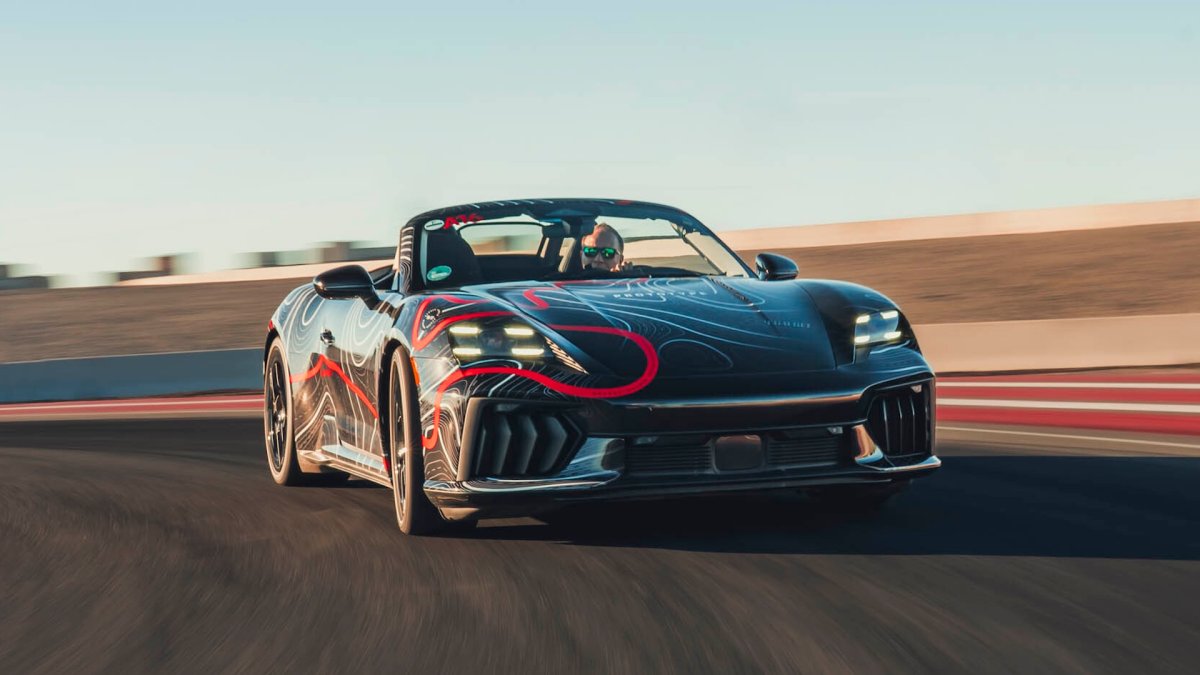
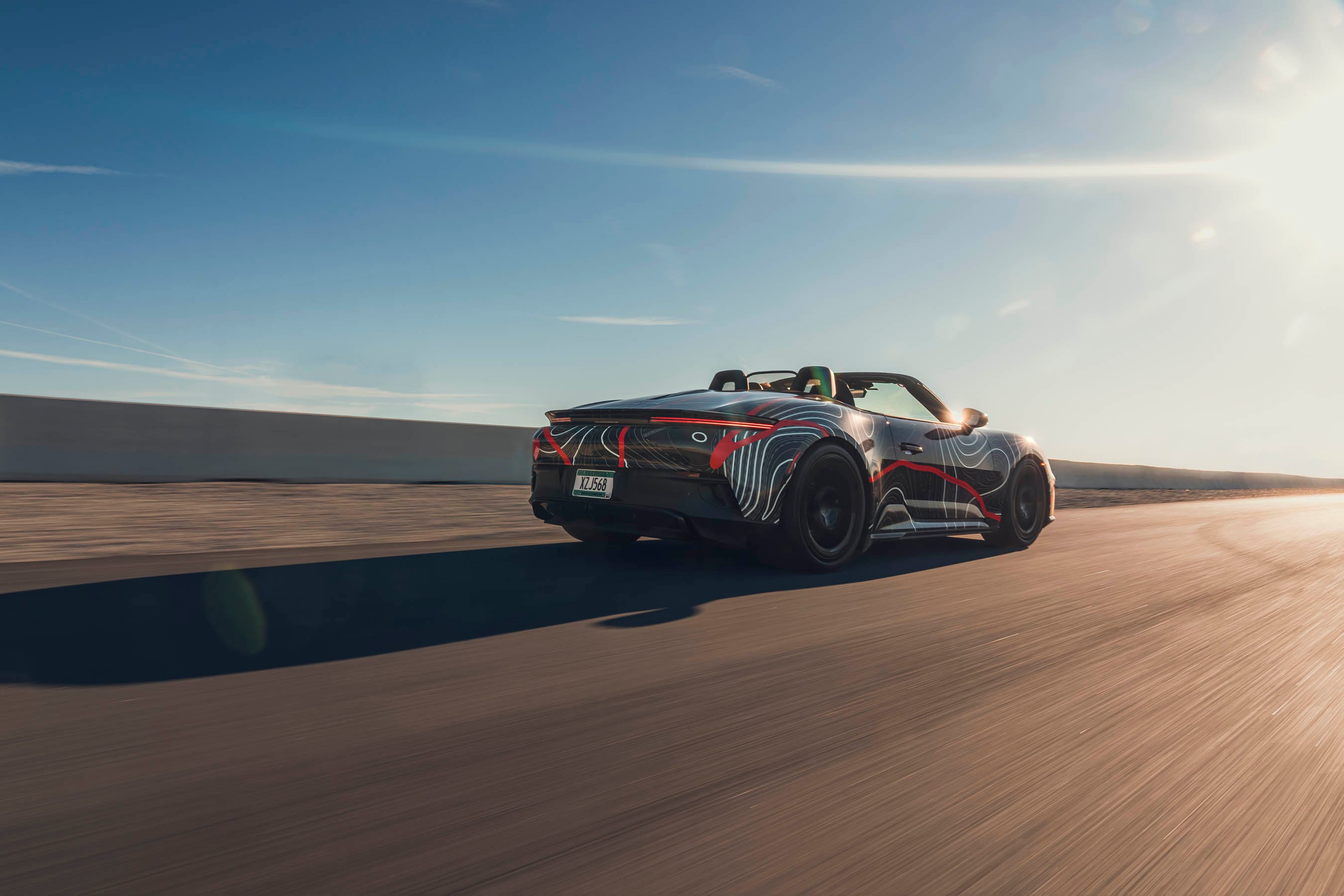
Porsche is preparing to bring back the 718 Boxster in the first quarter of 2027 with an electric powertrain. A prototype driven on canyon roads outside Los Angeles and at Porsche's Experience Center racetrack suggests the company is aiming to translate the familiar character of its open-top sports car into an EV rather than replace it with a radically different formula.
According to the prototype review, the new model is expected to return only as an electric vehicle, at least initially. Porsche has not released complete power specifications, but the vehicle is said to target a 0–60 mph time of less than three seconds and a top speed of 155 mph.
Familiar proportions, electric details
Visually, the prototype is described as an evolution of the outgoing gasoline-powered Boxster. It uses headlights with design cues shared with the Taycan and electric Cayenne, and lower intake gills that can open and close when needed. The car has no exhaust outlets and uses a thin, full-width horizontal LED rear light.
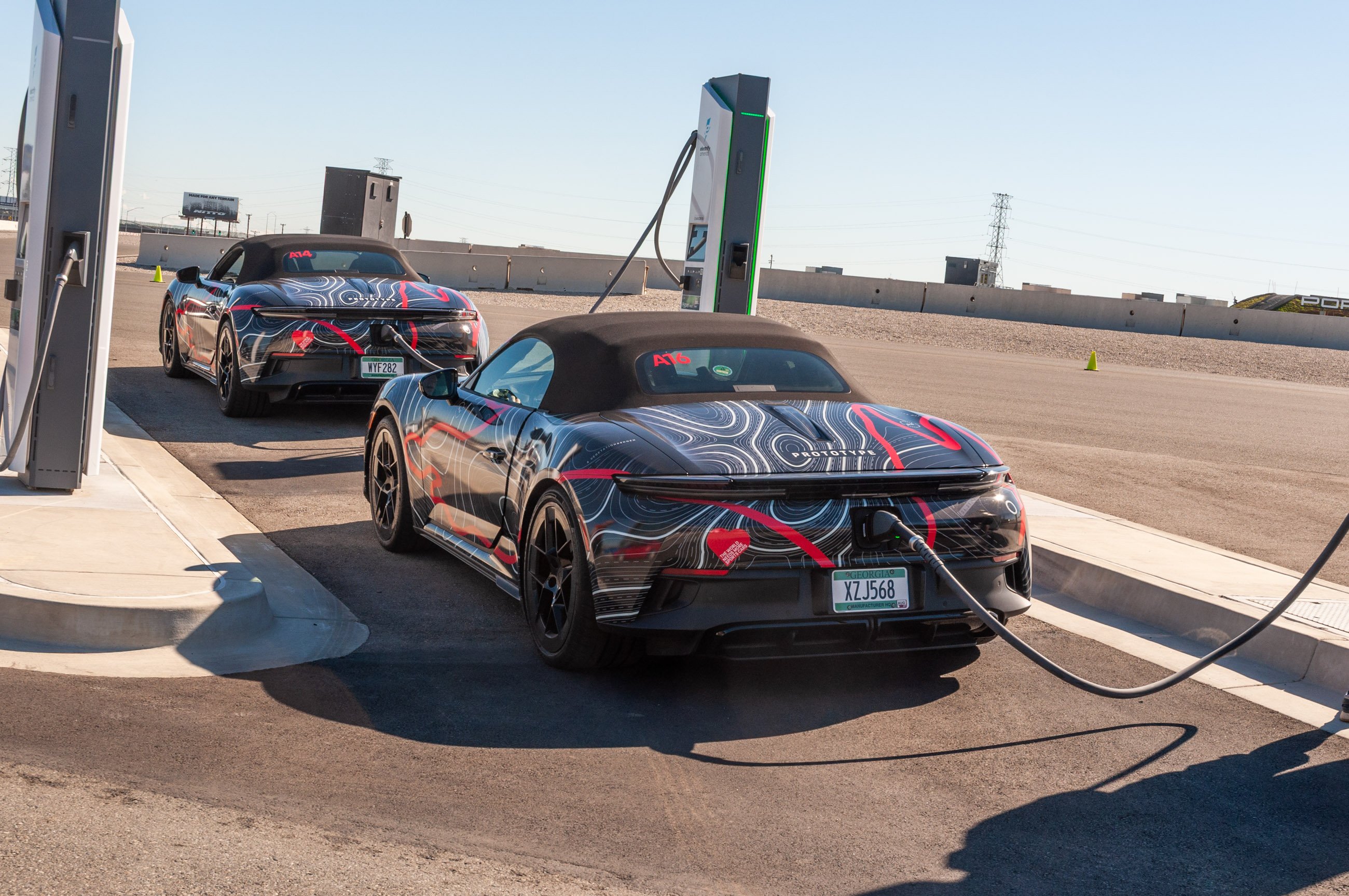
The convertible roof remains a core part of the package. The soft top can be opened or closed by button at speeds of up to 41 mph, while conventional door handles remain in place. Those details matter because they preserve everyday cues of the Boxster rather than treating electrification as a reason to abandon them.
A virtual transmission for an EV
One of the prototype's more unusual features is Porsche's E-Shift system. The system is intended to mimic some of the feel of a gasoline-powered transmission and can operate in automatic or manual modes. In a battery-electric sports car, where power delivery does not require traditional gear changes, the approach is an attempt to give drivers a more deliberate interaction with acceleration.
Whether simulated shifting appeals will depend on the driver. For Porsche, the idea appears tied to preserving engagement rather than reproducing every mechanical trait of a combustion car. The review describes the prototype as convincing in performance and driving feel, with the E-Shift system presented as a notable part of that effort.
Borrowing from Porsche's established performance hardware
The electric 718 is also expected to draw on systems associated with the 911, including steering and braking hardware. That choice suggests Porsche is concentrating on chassis behavior and control response as much as straight-line acceleration. The prototype review found that the car retained recognizable Porsche driving dynamics despite the shift to electric propulsion.
Sports-car makers face a particular challenge in electrification: instant torque and rapid acceleration are relatively straightforward advantages, while low weight, feedback and a distinctive mechanical character are harder to recreate. Porsche's prototype points to a strategy of carrying forward the Boxster's familiar layout and driver-focused controls while using software and electric power to shape a new experience.

What remains unknown
Important details have yet to be announced, including full power output, battery capacity, range, pricing and final production specifications. Prototype impressions also do not guarantee that every feature will arrive unchanged in the production model.
Still, the test vehicle provides an early indication of Porsche's direction for a nameplate that has long been associated with accessible mid-engine sports-car handling. The 2027 launch will show whether the company can turn that promising prototype into an electric roadster that satisfies both existing Boxster drivers and a new EV audience.
This article is based on reporting by The Drive. Read the original article.
Originally published on thedrive.com