A Three-Way Autonomous Driving Alliance
Nissan Motor Company is in final negotiations with Uber Technologies on a partnership to deploy autonomous vehicles for ride-hailing services, according to a report by Nikkei Asia. The collaboration brings together Nissan's vehicle manufacturing expertise, Uber's ride-hailing platform and customer base, and the AI-driven self-driving technology of UK-based Wayve Technologies, in which Uber is an investor.
The companies are targeting the 2027 fiscal year for initial deployment of vehicles equipped with technology enabling hands-free autonomous driving in urban environments. If the deal closes as expected, it would represent one of the most significant commercial autonomous driving partnerships to date, combining a major automaker, the world's largest ride-hailing platform, and a rising autonomous driving technology company.
Wayve's Camera-First Approach
At the center of the partnership is Wayve's distinctive approach to autonomous driving. Unlike companies such as Waymo that rely heavily on high-definition maps and lidar sensors, Wayve trains neural networks to drive using footage from the vehicle's onboard cameras. The system learns continuously from real-world driving data and simulated scenarios, developing the ability to handle complex urban situations — congested intersections, construction zones, unpredictable pedestrian behavior — without requiring every road to be pre-mapped in detail.
This approach offers significant scaling advantages. HD mapping is expensive and requires constant updating as road conditions change. A camera-first system that learns generalizable driving skills can theoretically be deployed in new cities without the months of mapping work that some competitors require. Wayve has demonstrated its technology on public roads in London and has attracted investment from major technology and automotive companies, including Microsoft and Nvidia in addition to Uber.

Nissan's Autonomous Driving Strategy
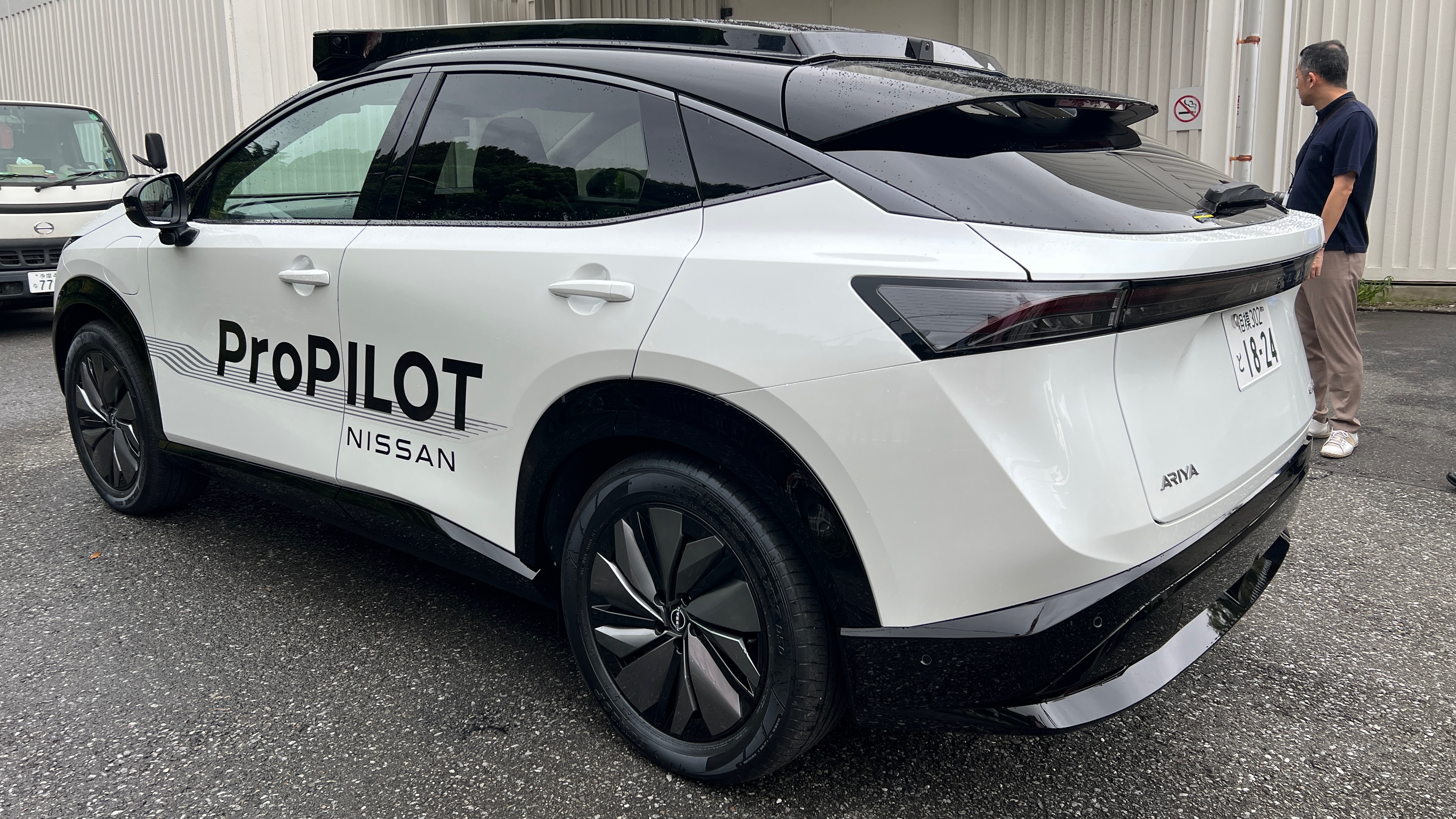
For Nissan, the partnership represents an acceleration of its autonomous driving ambitions. The company's current ProPilot system offers Level 2 driver assistance — lane centering and adaptive cruise control that require constant driver supervision. The next-generation ProPilot, integrating Wayve's AI Driver software, would offer substantially more advanced capabilities, potentially approaching the hands-free, eyes-on driving that Tesla's supervised Full Self-Driving provides.
The technology is planned for compatibility with several key Nissan models, including the full-size Armada, midsize Pathfinder, and compact Rogue — the company's U.S. volume leader. By embedding autonomous driving capability in high-volume production vehicles rather than purpose-built robotaxis, Nissan can spread development costs across a larger sales base and offer the technology to both ride-hailing and private vehicle customers.
Uber's Autonomous Platform Strategy
Uber's involvement reflects its evolving strategy toward autonomous vehicles. The company sold its own self-driving division, Advanced Technologies Group, to Aurora Innovation in 2020 after years of costly development and a fatal pedestrian accident in Arizona. Since then, Uber has repositioned itself as a platform that partners with autonomous vehicle developers rather than building the technology itself.
This approach allows Uber to work with multiple autonomous driving companies simultaneously, hedging its bets on which technology will prove most viable. The company has existing partnerships with Aurora for autonomous trucking, with Waymo for passenger service in select cities, and with Lucid and Nuro for a robotaxi program announced at CES 2026. The Nissan-Wayve partnership adds another path to autonomous ride-hailing, diversifying Uber's technology portfolio.
The Competitive Robotaxi Landscape
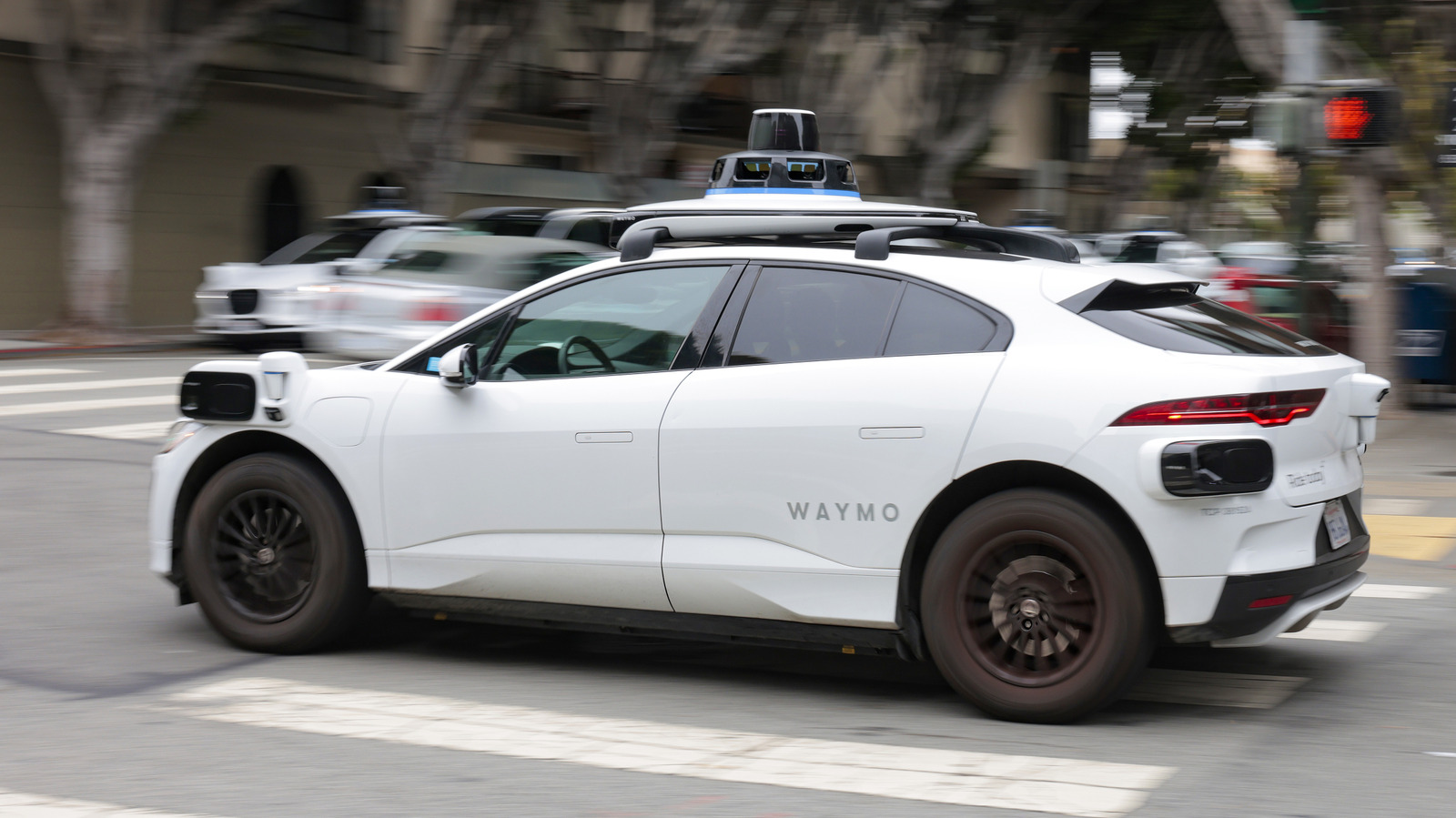
The partnership enters an increasingly crowded autonomous ride-hailing market. Waymo, the Alphabet subsidiary widely considered the technology leader, operates commercial robotaxi services in San Francisco, Phoenix, and Los Angeles, and is expanding to additional cities. Cruise, General Motors' autonomous driving unit, is rebuilding its operations after a safety-related suspension in late 2023. Tesla has announced plans for a robotaxi service based on its Full Self-Driving technology.
The market is projected to exceed two trillion dollars by 2030, according to research firm IndustryARC, attracting massive investment and intense competition. For Nissan, which trails rivals like Toyota and Hyundai in autonomous driving technology, the Uber-Wayve partnership offers a shortcut to relevance in a market where falling behind could be existential.
Regulatory and Technical Hurdles
Despite the commercial ambitions, significant regulatory and technical challenges remain before autonomous ride-hailing can scale broadly. Regulations governing autonomous vehicles vary dramatically across jurisdictions, and the liability framework for accidents involving self-driving cars remains unsettled in most countries. The Wayve system's reliance on cameras rather than lidar may also face scrutiny from regulators who have historically viewed redundant sensor suites as a safety requirement.
The 2027 target date for deployment suggests the companies are aiming for a supervised autonomous mode initially — hands-free but with a human driver present as a safety backup — before progressing to fully driverless operation as the technology matures and regulations evolve. This graduated approach mirrors the strategy adopted by most autonomous driving companies, which have learned from experience that premature deployment of unsupervised systems can set the entire industry back.
This article is based on reporting by Automotive News. Read the original article.
Originally published on autonews.com