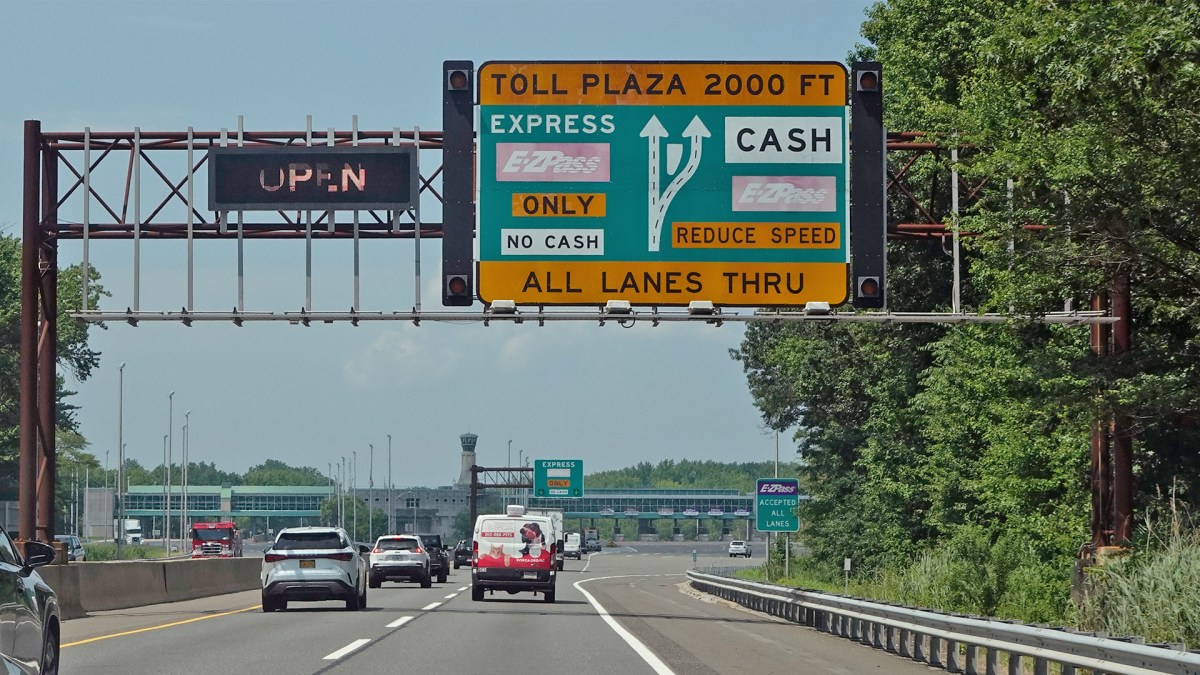
A toll bill turned into a felony case
Ohio has turned an unpaid toll case into a criminal example for the trucking sector. According to the supplied source text, a truck driver has been indicted on a grand theft charge after allegedly evading $21,991 in tolls on the Ohio Turnpike over a two-year period. The announcement was made by the Ohio Turnpike and Infrastructure Commission on Friday, May 1.
The amount is central to the story. Missing a toll payment is common enough to feel routine. Accumulating nearly $22,000 in avoided charges is not. In this case, the state is treating the conduct not as an administrative nuisance but as theft serious enough to potentially bring prison time and the surrender of the truck involved.
Ohio is pairing toll enforcement with highway policing
The case also reflects a broader enforcement campaign. The source text says the Ohio Turnpike and Infrastructure Commission recently formed a partnership with the Ohio State Highway Patrol aimed at targeting criminal toll evaders. That framing matters because it moves the issue beyond back-office collections and into coordinated law enforcement.
The source further states that repeat evasion has become a significant problem. Roughly 300 trucking companies have reportedly accumulated almost $5.2 million in past-due tolls since April 2024. Those figures suggest Ohio is not treating this indictment as a one-off anomaly. Instead, it appears to be using an extreme case to support a more aggressive response to a wider pattern of unpaid toll use along a major freight corridor.

The legal risk is broader than the toll itself
The enforcement push is not limited to unpaid road fees. The quoted statement from authorities in the source text says enforcement will also target related offenses, including fictitious license plates and plates that are obscured, covered, or removed. That is a significant escalation because it connects toll evasion to conduct that can also affect traffic enforcement and public safety.
For trucking operators, the practical message is clear. Once toll evasion is paired with plate manipulation or repeated misconduct, it stops looking like a billing dispute and starts looking like intentional deception. That distinction is likely to shape how aggressively prosecutors, regulators, and turnpike authorities pursue similar cases going forward.
Why the numbers drew attention
The source text notes that a full trip across the Ohio Turnpike from Eastgate to Westgate costs $156 for a Class 8 truck paying the non-EZ Pass rate. That detail helps illustrate the scale of the alleged evasion. Even at the highest cited route cost, reaching nearly $22,000 would require repeated use over time. If the driver was not traveling the full length on every trip, the number of toll events would have been even larger.
That arithmetic is part of what makes this case useful to the state. It is not a close call built around a handful of disputed crossings. It is an accusation of sustained nonpayment over two years, substantial enough to support a more serious criminal charge. Authorities appear to be signaling that frequency and intent matter as much as the raw dollar figure.

What the charge means
Under the facts described in the source text, the driver now faces a grand theft case in Ohio. The source says the maximum penalties include up to 18 months in prison and a $10,000 fine. The article also notes that not everyone who misses a toll payment will face such a severe outcome, but that serial offenders can expect much harsher treatment.
That distinction is important because states generally do not want routine toll collection to turn into a criminal dragnet. The message being sent here is narrower: repeated, large-scale, allegedly deliberate evasion can cross a line into felony territory. By bringing a theft charge rather than simply demanding payment, Ohio is trying to establish that line clearly for commercial drivers and fleet operators.
A freight corridor with growing enforcement pressure
The Ohio Turnpike runs 241 miles across 13 counties in northern Ohio, according to the source material. That makes it a major commercial route as well as a major revenue asset. If toll evasion becomes normalized among a subset of trucking operators, the issue quickly expands beyond lost fees. It can distort operating costs, undermine fairness for compliant carriers, and incentivize tactics such as altered plates that create separate enforcement and safety concerns.
For transportation policy, the larger significance of this case is not the behavior of one driver. It is the state’s choice to fuse toll administration with criminal enforcement in response to what it says is a multi-million-dollar problem. That approach is likely intended to deter fleets and owner-operators who might otherwise treat unpaid tolls as a manageable cost of doing business. Ohio’s message is that, at a certain scale, evasion is no longer a collections issue. It is a criminal exposure with consequences that can include incarceration, fines, and the loss of the vehicle itself.
This article is based on reporting by The Drive. Read the original article.
Originally published on thedrive.com