Honda and Acura are separating their powertrain timelines
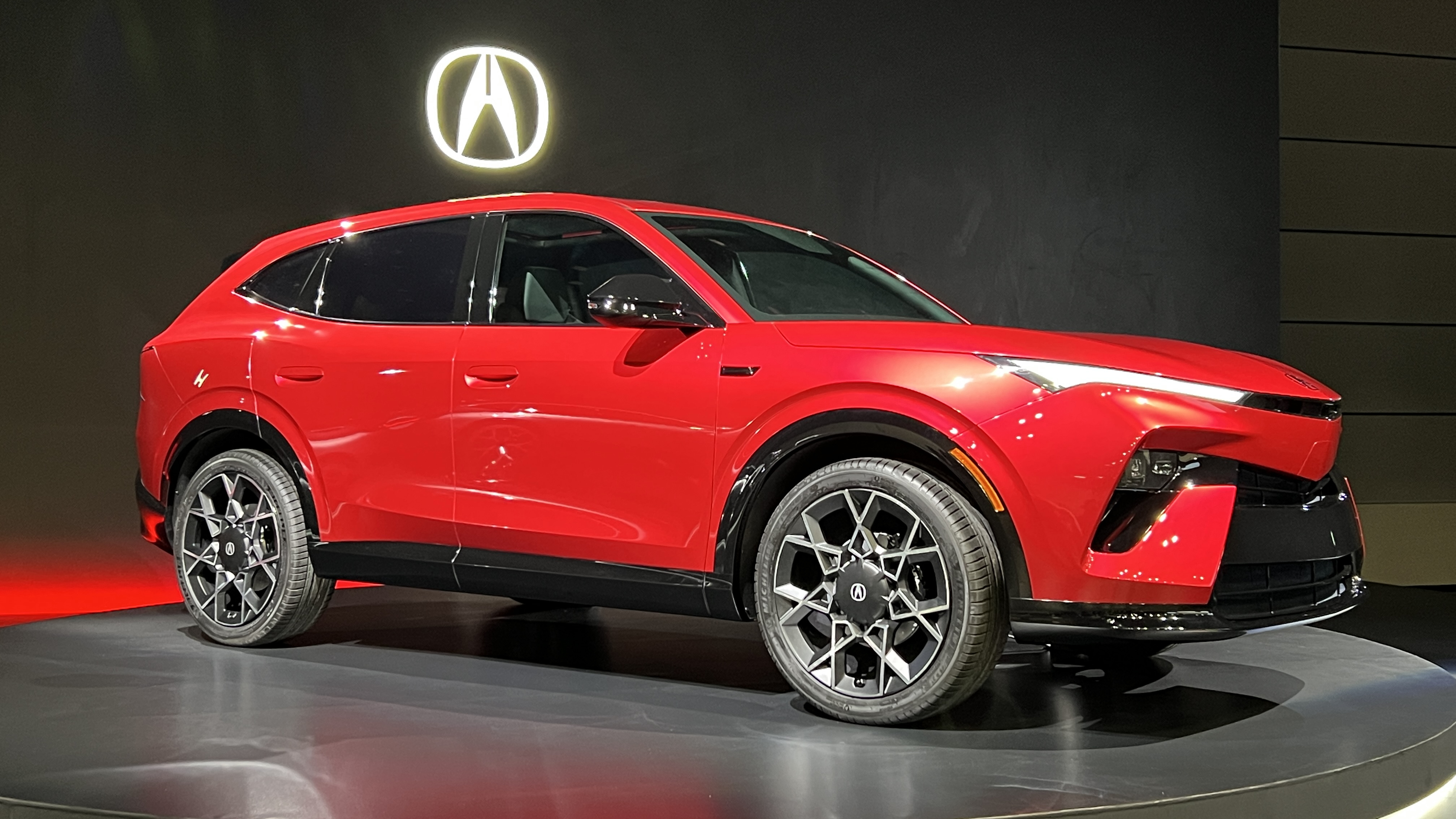
American Honda’s latest planning signals point to a more deliberate transition strategy than the auto industry’s recent all-electric rhetoric suggested. According to Automotive News, planning chief Gary Robinson said hybrids will form the core of the company’s business and are expected to overtake gasoline-only sales later this decade. At the same time, Acura is accelerating toward a hybrid-only future, with a hybrid SUV prototype previewing what could become a next-generation RDX within the next two years.
Taken together, those signals show a two-track approach. Honda appears to be positioning hybrids as the volume answer for the mainstream market, while Acura uses its premium brand to move faster and present electrified propulsion as the new normal. That does not amount to a full retreat from electric vehicles. It does, however, show how major automakers are adjusting to a market that has proved more complicated than broad industry forecasts once implied.
Why hybrids are back at the center
Hybrids have several advantages in a transitional market. They lower fuel use without requiring drivers to change charging habits, depend entirely on public charging infrastructure, or accept the range tradeoffs that some buyers still worry about. For a brand like Honda, which has historically depended on high-volume, broadly appealing products, that matters. A hybrid strategy lets the company offer meaningful efficiency gains while staying close to the driving patterns and refueling behavior customers already know.
The key phrase in the Automotive News report is that hybrids will be the “core” of the business. That suggests Honda is not treating the technology as a stopgap. It is treating it as the practical bridge between conventional gasoline models and whatever the long-run fully electric market eventually looks like. In that framing, the hybrid is not a compromise. It is the center of the near-to-medium-term plan.
Acura’s role in the transition
Acura’s faster timeline is equally important. Premium brands often serve as test beds for technology and brand repositioning. If Acura becomes hybrid-only before Honda’s mass-market side completes a similar shift, that would let the company sharpen its identity around performance plus efficiency without forcing the entire Honda portfolio into the same pace of change.
The reported hybrid SUV prototype matters because utility vehicles are now central to consumer demand. If Acura uses a future RDX to anchor its hybrid-only direction, it will be making the transition through one of its most strategically important segments rather than through a niche halo product. That is a stronger signal than a concept car with no obvious production path.
An industry correction, not a reversal
The broader meaning of Honda’s strategy is that the auto sector is still recalibrating after a period when some companies publicly suggested that battery-electric adoption would move in a cleaner, faster line than reality has delivered. Regulatory pressure, tariff uncertainty, charging buildout, affordability concerns, and uneven consumer demand have all complicated the picture. In that environment, hybrids have regained credibility because they offer measurable emissions and fuel-economy improvements without demanding a full system-level shift from buyers.
Honda’s move fits that logic. The company is not abandoning electrification. It is redefining its sequencing. By expecting hybrids to overtake gasoline-only sales later in the decade, management is effectively saying the transition will happen through a mixed-powertrain portfolio, not through a sudden collapse of internal-combustion demand.
What to watch next
- Whether Acura formally commits to a hybrid-only lineup and sets a clear date.
- How quickly Honda expands hybrid offerings across its highest-volume nameplates.
- Whether hybrid sales growth meaningfully outpaces gasoline-only vehicles before 2030.
- How competitors respond as more automakers embrace longer hybrid runways.
The significance of the announcement is less about one prototype and more about planning discipline. Honda is reading the market as it exists, not as recent industry messaging hoped it would be. For consumers, that likely means more hybrid choices, especially in high-volume and high-profit segments. For the industry, it is another sign that the path away from pure gasoline will be real, but uneven, and that hybrids are becoming the bridge many carmakers expect to rely on for longer than they once admitted.
This article is based on reporting by Automotive News. Read the original article.
Originally published on autonews.com