BMW is turning Alpina from tuner heritage into a clearer luxury brand layer
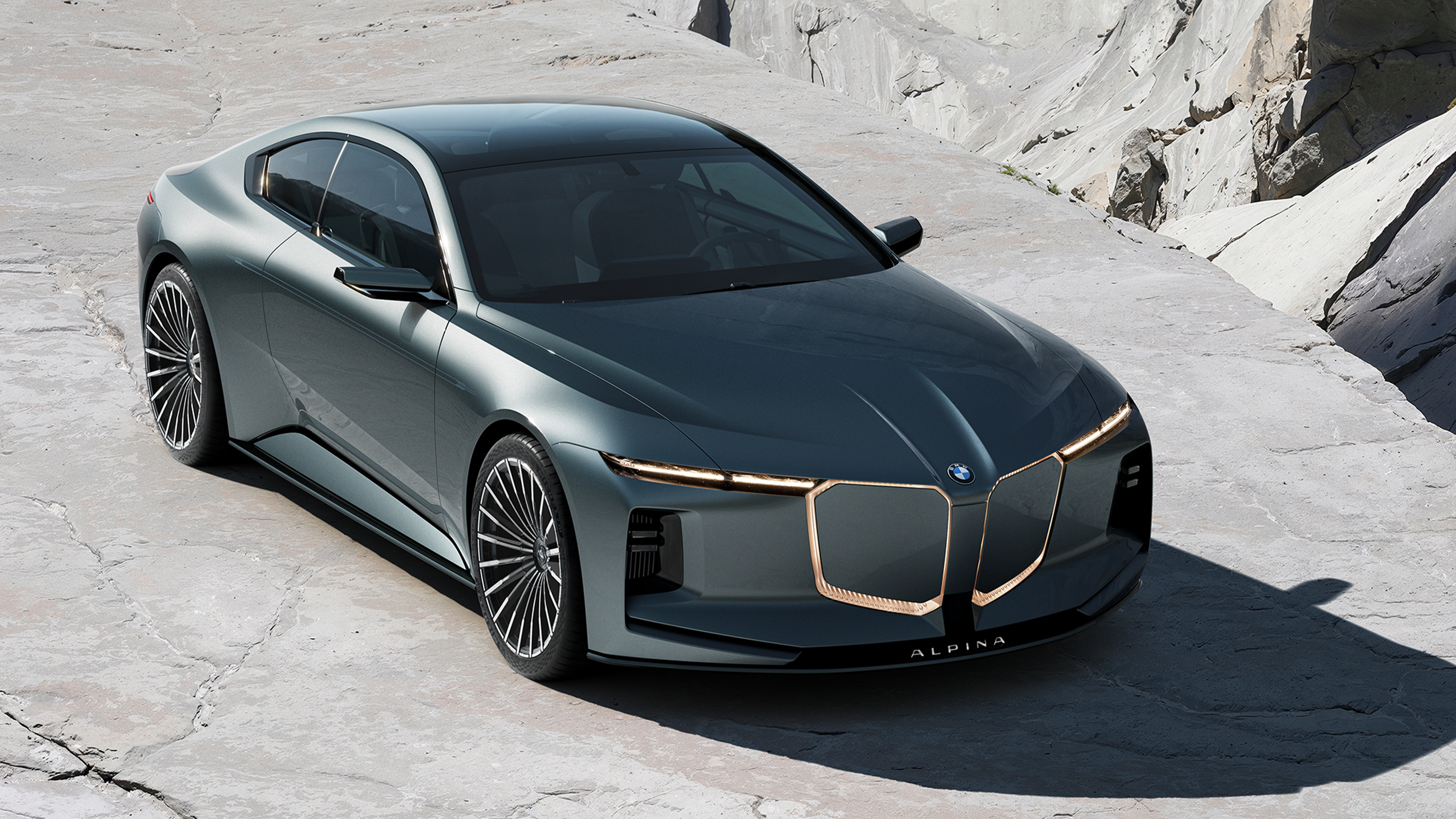
BMW has revealed the Vision BMW Alpina concept, offering the clearest preview yet of how it plans to reposition Alpina inside its portfolio. According to the source text, the concept points to a production fastback coupe due in 2027, derived from the 7 Series and expected to cost around 200,000 euros. That pricing and platform choice show BMW is not treating Alpina as a niche afterthought. It is defining a distinct ultra-luxury space below Rolls-Royce and above the company’s existing premium mainstream range.
This is a notable strategic move because Alpina has long occupied an unusual place in the BMW ecosystem. The name carries a reputation for refined high-performance cars with a more understated identity than BMW’s M division. Turning that heritage into a more formal brand position gives BMW another way to capture wealthy buyers who want exclusivity without stepping fully into the ceremonial aura or price band of Rolls-Royce.
The concept therefore matters less as a styling exercise than as a portfolio signal. BMW is drawing a sharper ladder across its luxury offerings at a time when automakers increasingly rely on top-end trims and brands to protect margins.
Why the 7 Series matters
The source says the first production Alpina model under this new strategy will be derived from the 7 Series. That is a revealing choice. The 7 Series already functions as BMW’s flagship sedan architecture, so using it as the basis for an Alpina fastback coupe suggests the new brand will emphasize long-distance comfort, visual presence, and elite touring character as much as performance.
In other words, this does not look like a simple badge exercise. It looks like BMW identifying a customer who wants something more individualized and more expensive than a standard high-end BMW, but more discreet and driver-oriented than a Rolls-Royce. The Alpina name gives the company a credible bridge to that buyer because it already connotes craftsmanship, rarity, and a softer interpretation of speed.
That in-between positioning could be commercially useful. Luxury groups increasingly benefit from fine segmentation at the top of the market, where small volume can still generate strong returns if brand identity is well managed.
A margin strategy hidden inside a design reveal
Automakers have been under pressure from uneven demand, regulatory spending, software investment, and, in many regions, the high cost of electrification transitions. One response has been to lean harder on high-margin products and more expensive variants. BMW’s Alpina move fits that pattern, even if the source text presents it primarily as a design and brand announcement.
A model expected to sit near 200,000 euros is not intended to move mass-market volume. It is intended to reinforce exclusivity, increase average transaction value, and widen the company’s luxury ceiling without diluting BMW’s core brand. That kind of extension can be attractive because it leverages existing architectures and dealer relationships while opening a new pricing lane.
It also reflects the continued resilience of the upper luxury segment. Even when broader markets face affordability pressure, buyers at the top end often remain willing to spend for distinctiveness, craftsmanship, and brand story. A properly staged Alpina relaunch gives BMW another instrument to capture that demand.
The challenge is preserving what made Alpina special
There is, however, a brand-management risk embedded in the strategy. Alpina’s appeal has historically come from being specific rather than expansive. It was valued for taste, subtlety, and engineering character, not for occupying every available luxury niche. Formalizing it as a major sub-brand could strengthen awareness, but it could also flatten some of the eccentricity that made the badge meaningful to enthusiasts.
BMW will have to prove that a new Alpina is more than a pricing exercise wrapped in heritage language. Buyers in this segment are highly sensitive to authenticity. If the cars feel like lightly reworked flagships, the proposition weakens. If they genuinely deliver a differentiated design, ride, cabin atmosphere, and grand-touring identity, the brand has room to grow.
The concept’s role, then, is to establish intent. It tells the market that BMW sees Alpina as an instrument for curated luxury rather than just another performance derivative.
A broader trend in premium automaking
The Vision BMW Alpina concept also reflects a wider industry pattern: premium carmakers are expanding horizontally and vertically at the same time. They offer more accessible entry points for scale, while also building more exclusive sub-brands, trims, and coachbuilt-style products at the top. The middle remains important, but the strategic storytelling increasingly happens at the extremes.
By placing Alpina below Rolls-Royce rather than inside the ordinary BMW lineup, BMW is effectively acknowledging that brand architecture itself has become a competitive tool. Luxury is no longer only about the product. It is also about how carefully a company structures aspiration.
If the 2027 production car matches the promise implied by the concept, BMW could create a durable new slot in its portfolio. That would give it another answer to a market where brand distinction and pricing power often matter more than raw volume growth.
For now, the concept stands as an early declaration of intent: Alpina is being recast as a formal luxury proposition, not merely preserved as a badge from BMW’s past. The success of that move will depend on whether the final car delivers a sufficiently singular experience to justify its position between the mainline BMW flagship world and the rarer air of Rolls-Royce.
This article is based on reporting by Automotive News. Read the original article.
Originally published on autonews.com