Land transport is filling a gap that ships cannot
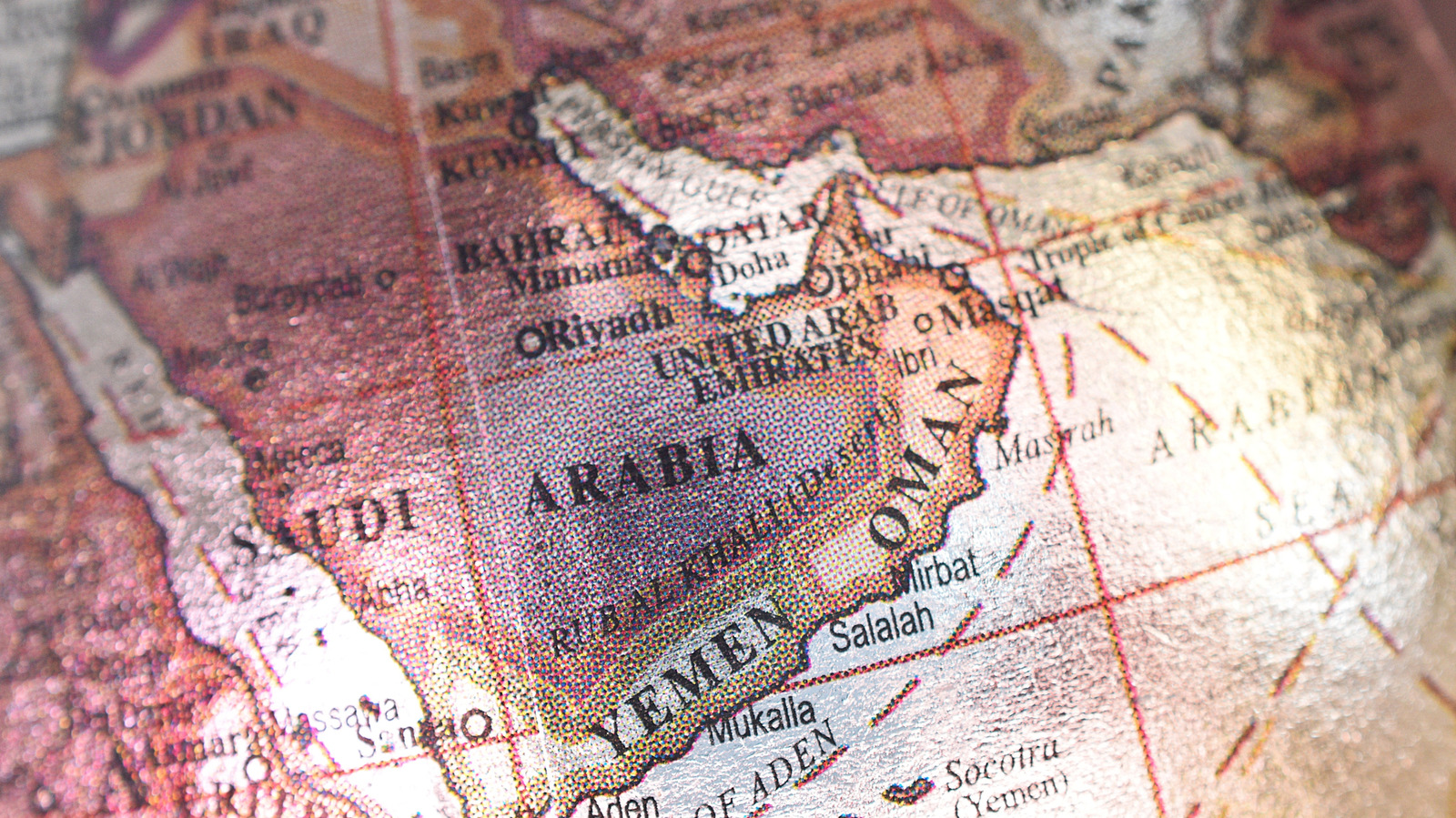
One of the clearest signs of stress in regional trade is now visible on desert highways. Companies that would ordinarily move cargo by sea are instead sending it across the Arabian Peninsula by truck and rail, using overland routes to avoid the Strait of Hormuz. The shift is expensive and inefficient compared with maritime shipping, but for some businesses it has become the most workable option available.
The supplied reporting describes a logistics response built around scale rather than elegance. Saudi mining company Maaden, for example, is using trains and trucks to move fertilizer to ports outside Iranian control. Chief executive Bob Wilt told The Wall Street Journal, as cited in the source text, that the company’s truck fleet grew rapidly from 600 to 1,600, then 2,000, and now to 3,500 trucks running from the Gulf to the Red Sea. That is not a marginal adjustment. It is a full industrial rerouting effort.
Why companies are accepting higher costs
Water remains the cheapest and most efficient way to move large volumes of goods, especially energy products and bulk commodities. The reason this story matters is that firms are knowingly abandoning that advantage. The source text makes clear that land routes cannot match shipping capacity or cost. They are being used because the alternative has become less reliable or less acceptable for the companies involved.
That tradeoff shows how supply chains behave under pressure. Businesses do not need a perfect substitute for maritime transport; they need a shock absorber. Even if trucks cannot replace ships on volume, they can keep product moving, reduce backlogs, and help maintain at least partial commercial continuity. In practical terms, that can mean the difference between delayed deliveries and a full stop.
Maaden’s experience illustrates the point. Wilt said the convoy system would likely allow the company to clear its backlog of unshipped fertilizer by the end of the month. That does not suggest parity with normal shipping conditions. It suggests that a costly workaround is still preferable to leaving product stranded.

The cargo mix is widening beyond heavy industry
The overland workaround is not limited to industrial commodities. The source text says shipping companies including MSC and Maersk are trucking goods across the Arabian Peninsula. It also notes that UAE supermarket chain Spinneys sent trucks loaded with British foods on a 16-day journey from Kent through Western Europe and then Egypt and Saudi Arabia to Dubai.
That detail matters because it shows how quickly contingency logistics can spread from industrial freight to consumer supply. Potato chips, porridge oats, and children’s snacks are not strategic cargo in the classic sense, but they are visible signals of how disruption reaches households. When everyday retail goods are being rerouted across multiple countries by road, the underlying transport problem is no longer isolated to a narrow sector.
The same passage also underlines the limits of the workaround. Trucking goods over such long distances consumes time, labor, fuel, and equipment at a rate that shipping does not. It can preserve flow, but not normal economics. Companies can use it to bridge a disruption; they cannot easily build a stable, low-cost trade system around it.
A useful fix, but not a permanent replacement
The broader implication is that trade networks in the region are becoming more adaptable, but also more brittle in plain view. The adaptability comes from the ability to improvise with trucking fleets, rail links, and alternate ports. The brittleness comes from what those improvisations reveal: firms are now operating in conditions where the most efficient route can no longer be treated as the default.
For logistics operators, the immediate lesson is that optionality has become a competitive asset. Companies with access to trucks, rail capacity, port alternatives, and customs flexibility can keep moving. Companies built around a single route or a single mode face sharper exposure when geopolitical or security conditions disrupt normal patterns.
For markets, the source text points to a second-order effect that may matter just as much. Even though the land mobilization cannot avert all shortages, it is helping sustain trade and contain inflationary pressure in some key markets. That is a reminder that emergency logistics systems do not need to be elegant to be economically important. They only need to reduce the severity of a breakdown.
What is unfolding across the Arabian Desert is therefore bigger than a convoy story. It is a case study in how modern supply chains respond when a maritime chokepoint becomes too risky or too costly to use as before. The trucks are not replacing the sea. They are buying time until normal trade can do its job again.
This article is based on reporting by Jalopnik. Read the original article.

Originally published on jalopnik.com