California Officially Shuts Down the Montana License Plate Loophole
California has officially closed a long-running workaround that allowed wealthy residents to avoid state use tax by registering vehicles to out-of-state shell companies, especially in Montana. The change comes through CA State Bill 1406, titled "Sales and Use Tax Law: vehicles: shell companies," which became law on Sept. 30, 2026, after more than seven months of legislative movement. The result is a much narrower path for anyone hoping to keep a luxury car, boat, or aircraft registered outside California while still using it in the state.
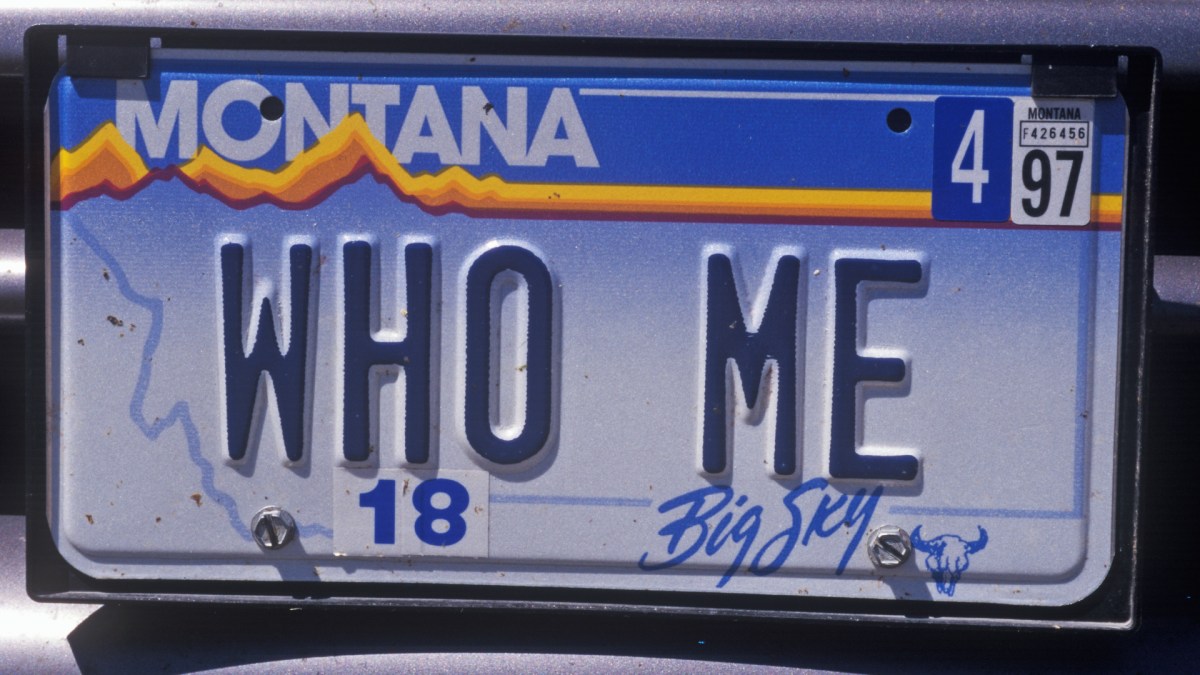
The Montana license plate loophole has been a familiar—and controversial—strategy in automotive circles for decades. Montana does not charge sales tax on vehicle purchases, and it also does not require owners to inspect or smog their cars. Those two features made the state attractive to people who wanted to buy and register expensive vehicles without paying California sales or use tax. But the arrangement was not simply about moving paperwork to Montana. It depended on California's rules for determining whether a business was a California resident.
What the Old California Rule Allowed
Under existing California law, any vehicle, vessel, or aircraft that a California resident shipped or brought into the state is subject to taxation under California's Sales and Use Tax Law, regardless of where it is registered. That principle applies to individuals and to vehicles registered to businesses. But because businesses are not people, the law used a different test to decide whether a company counted as a California resident.
The old framework centered on where the business was based. If more than half of a business was held outside California, the owner could potentially keep a vehicle registered to that out-of-state business without paying California use tax. The source material describes this as a simplification, but the basic idea was that a company with its main roots elsewhere might not be treated as a California business even if some of its activity touched the state.
That distinction created room for legitimate arrangements. For example, someone living in Nevada could register a vehicle to a Nevada-based business and still legally keep that car in California if they operated a branch office on the California side of Lake Tahoe. So long as the bulk of the business was based in Nevada, the old test could be satisfied. The vehicle remained on Nevada plates, and California use tax did not automatically follow.
How the Loophole Became a Montana LLC Strategy
The trouble began when people started forming fake LLCs in Montana—though the source notes Montana was not the only state used. By registering a vehicle to a Montana LLC, an owner could try to combine Montana's lack of sales tax on vehicle purchases with its lighter inspection and smog requirements. The vehicle might be garaged and driven primarily in California, but on paper it belonged to an out-of-state company. California's old California-ness test left an opening for that structure, especially because only companies and limited liability companies were subject to the test.

What SB 1406 Changes
SB 1406 targets the structure directly. First, it expands the types of business entities covered by California's California-ness test. Under the old law, the test applied to companies and LLCs. The new law adds partnerships, limited partnerships, and limited liability partnerships to the definition. That closes an obvious gap: if the rule only covered LLCs, it could be sidestepped by organizing under another entity type.
The second change is more sweeping. According to the bill summary, a shell company is considered a resident of California if any shareholder, partner, member, or beneficial owner is a California resident. That language removes the old 50% threshold. Under the previous rule, a business could remain outside California's definition if most of its ownership or operations were based elsewhere. Under SB 1406, a single California resident in the ownership chain can pull the entire shell company into California residency for purposes of this presumption.
That matters because the vehicle—or vessel or aircraft—does not need to be registered in California to trigger the tax question. The law already says a California resident who ships or brings such property into the state is subject to taxation under the Sales and Use Tax Law. If the business that holds the asset is now treated as a California resident, then the asset held in California becomes subject to California taxation. The source text puts it bluntly: that includes Lamborghinis and Bugattis.

The End of the 50% Test
The collapse of the old 50% test is the heart of the reform. Before SB 1406, the question was often about where the business was mainly based or held. After SB 1406, the question can turn on who is behind the business. If anyone running the business is a California resident under the updated definition, the business itself is presumed to be a California resident. The old strategy of parking a car in a Montana LLC while living in California becomes much harder to defend.
- Business entity coverage expands from companies and LLCs to partnerships, limited partnerships, and limited liability partnerships.
- A shell company can be treated as a California resident if any shareholder, partner, member, or beneficial owner is a California resident.
- The previous 50% out-of-state threshold no longer provides the same shelter.
- Vehicles, vessels, and aircraft brought into California by a California resident remain subject to use tax, even if registered elsewhere.
Why the Change Matters Beyond Montana
Although the strategy is commonly called the Montana license plate loophole, the source makes clear that Montana was not exclusively used. The real issue is the shell-company structure and its interaction with California tax residency. SB 1406 does not simply target one state's registration system. It rewrites how California decides whether a business is a resident, and it brings more entity types and more ownership scenarios into that decision.
For high-end car owners, the practical effect could be significant. California's use tax can apply to valuable assets that were purchased out of state and then brought into California. If the holding company is deemed a California resident, the out-of-state registration no longer necessarily shields the owner from that liability. The source text does not detail the full penalty or assessment process, but it does make clear that the tax exposure now follows the asset into California when the ownership structure fails the updated residency test.
The new rule also affects more than cars. The underlying statute covers vehicles, vessels, and aircraft. That means a Montana shell company strategy could have been used for boats or planes as well. By changing the residency test for shell companies, SB 1406 reaches across those categories without needing separate legislation for each type of asset.

What Happens Next for Out-of-State Registrations
For California residents who currently hold a vehicle, vessel, or aircraft through an out-of-state shell company, SB 1406 changes the risk calculation. The old assumption—that a business could stay outside California as long as most of it was based elsewhere—no longer applies in the same way. If any shareholder, partner, member, or beneficial owner is a California resident, the shell company can be treated as a California resident, and the asset held in California can be subject to California taxation.
The law does not wipe out legitimate out-of-state business registration. It does, however, make the Montana-style workaround much harder to sustain. The bill summary's language is broad, and the expansion to partnerships and limited liability partnerships shows that lawmakers intended to close entity-type gaps. For owners who relied on a narrow reading of the old rules, the reform removes the most important shelter: the 50% threshold.
The Bottom Line
California's new law marks the end of an era for one of the most talked-about automotive tax workarounds. After more than seven months of legislative shuffling, SB 1406 became law on Sept. 30, 2026, and it specifically closes the shell-company path that had allowed some California residents to register expensive vehicles out of state while avoiding California use tax. The old 50% test is gone, partnerships and similar entities are now covered, and a single California-resident owner can make an entire shell company a California resident for this purpose.
For anyone who relied on a Montana LLC or a similar out-of-state structure to hold a car, boat, or plane, the calculus has changed. The loophole has not merely been narrowed at the edges; its central mechanism has been targeted. California now has a clearer, stricter standard for when an out-of-state business registration will be respected—and when the state will treat the asset as its own tax base.
This article is based on reporting by The Drive. Read the original article.
Originally published on thedrive.com