A Protection Nobody Was Required to Offer
Car buyers today tend to treat the factory warranty as a basic fact of the marketplace, something that simply arrives with the keys. In reality, no state or federal law forces an automaker to warrant the new vehicles it sells. Consumer protections of this kind were not handed down by statute; they were won through legal action, lemon laws, and a slowly accumulating patchwork of rules at both the state and federal level.
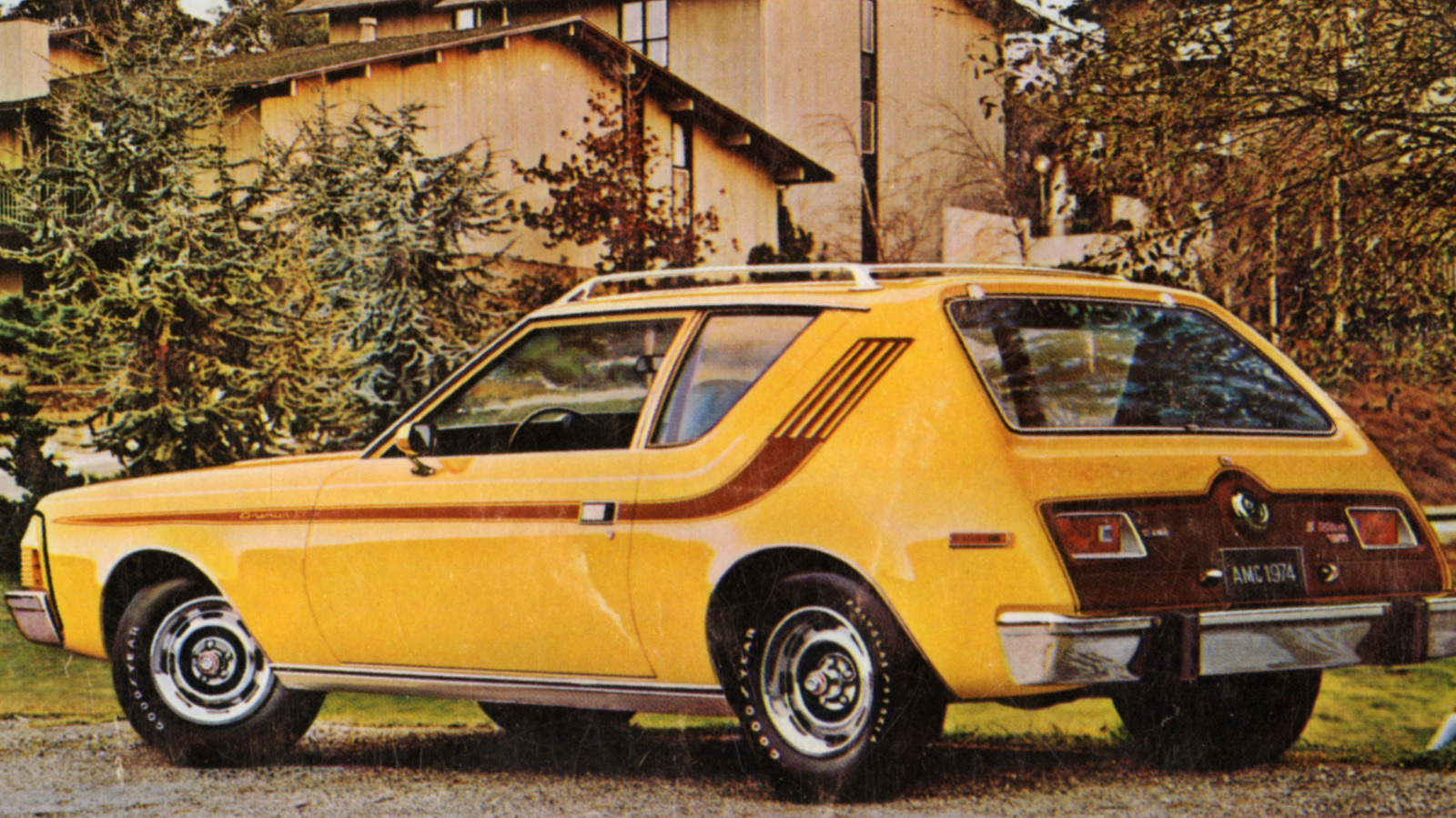
That means the warranty most drivers rely on exists because of competition, not regulation. And according to the history of the American Motors Corporation, the version of that protection we now recognize — comprehensive, bumper-to-bumper, backed by practical perks — began with a single company taking a gamble in the early 1970s.
The Executive Who Saw a Different Path
The figure at the center of the story is Gerald Meyers, a longtime American Motors executive who held several roles inside the company, including purchasing manager and vice president of product engineering, before eventually rising to chief executive. That broad internal experience gave him an unusual vantage point on both the cost side and the engineering side of building cars.
What Meyers introduced in 1972 was the AMC Buyer Protection Plan, described as the car industry's first 12-month or 12,000-mile bumper-to-bumper warranty that also bundled in a loaner car and expense reimbursement. It was a structural break from how rivals approached the same problem.
What the Buyer Protection Plan Actually Promised
The scope of the coverage was what made it remarkable. AMC marketed the plan as protecting essentially the entire vehicle with one conspicuous exception: the tires. That meant items most buyers would have expected to pay for out of pocket were included, such as:
- Spark plugs
- Brake linings
- Light bulbs
These are the kinds of wear-and-tear components that drivers usually assume are their own responsibility. Folding them into a factory warranty signaled something larger than a marketing gimmick: AMC was telling buyers it stood behind the whole car, not just the expensive drivetrain parts that fail rarely.
A Loaner Car, Delivered on a Promise
Perhaps the most striking element of the plan was the loaner car. AMC pledged that if a repair could not be finished within one day, the owner would receive a replacement vehicle to drive in the meantime. For a family with one car, that commitment addressed the real-world disruption of a breakdown rather than just the repair bill itself.
Reimbursement for Drivers Stranded Far From Home
The plan went further still. Owners who found themselves more than 100 miles from home were eligible for reimbursement of lodging or meal expenses. That provision acknowledged something the automotive industry had largely ignored: a mechanical failure is not only a financial problem, it is a logistical crisis, especially on a road trip. Taken together, the loaner car and the travel reimbursement gave AMC's coverage a breadth that, in some respects, still exceeds what many modern warranties offer.
The 30-Day and 90-Day World AMC Disrupted
To understand why the Buyer Protection Plan landed with such force, it helps to recall the baseline it replaced. Before AMC's announcement, automakers commonly offered warranties measured in 30 or 90 days. A handful of manufacturers went further, but those longer commitments came with heavy restrictions that limited what was actually covered.
Against that backdrop, a 12-month, 12,000-mile guarantee covering nearly every component — plus a loaner car and travel expenses — was not an incremental improvement. It was a different category of promise.
Why Strong Warranties Became a Selling Point
The plan worked as a competitive weapon almost immediately. Comprehensive coverage quickly evolved into a powerful reason to choose one brand over another, and the logic cut two ways. For established automakers, a weak warranty became a liability that shoppers could compare directly against a rival's offer.
For newer and less familiar brands, meanwhile, a generous warranty became the fastest way to buy credibility. A company with no reputation to lean on could substitute a written guarantee, transferring some of the risk of the unknown from the buyer back to the manufacturer.
From AMC to Hyundai: A Template That Outlived Its Creator
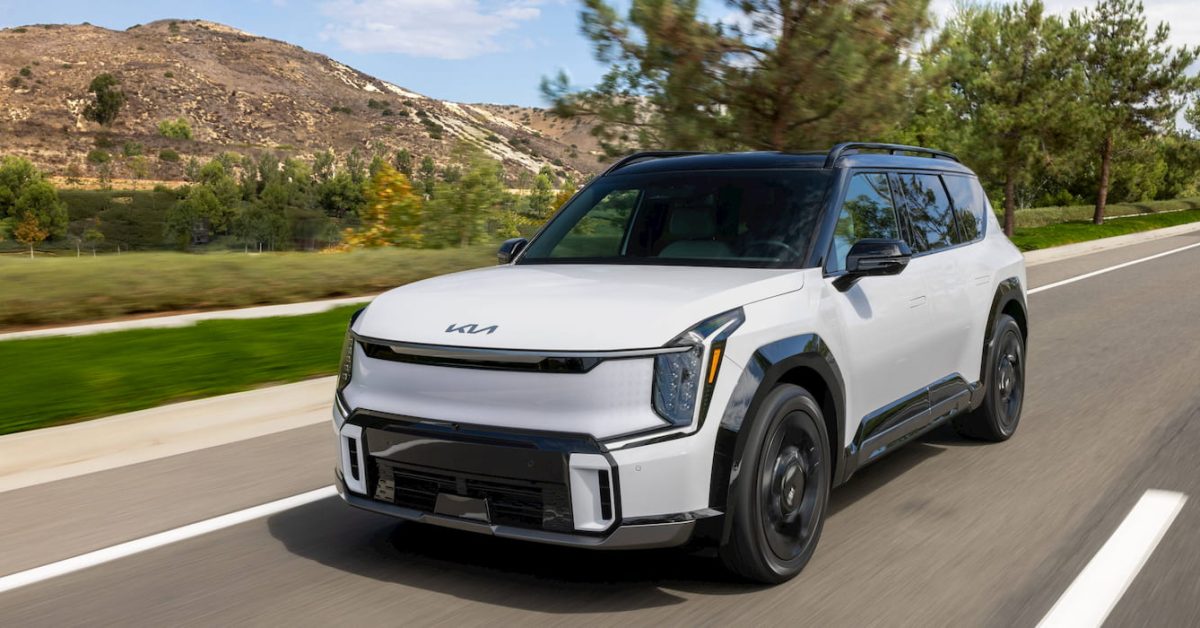
That second dynamic played out decades later with striking clarity. Hyundai, the first Korean automaker to enter the United States market, arrived without the long history that domestic and Japanese competitors enjoyed. To draw cost-conscious shoppers into showrooms despite that missing pedigree, the company offered a 10-year, 100,000-mile powertrain warranty on its 1999 models.
The strategy echoes AMC's logic almost exactly: when buyers cannot rely on a brand's track record, give them a guarantee they can hold onto instead. Hyundai and Kia still extend that powertrain coverage on new vehicles today, even though both brands have long since built the reputation that once eluded them. The warranty outlived the doubt that inspired it.

The Broader AMC Legacy
The Buyer Protection Plan was not an isolated act of innovation from a company that otherwise played it safe. American Motors is credited with popularizing several ideas that the wider industry eventually adopted, including the civilian Jeep, the crossover SUV, and the domestic subcompact car. It is a strange legacy for a manufacturer that is now often overlooked in conversations about influential American car companies.
That pattern — an underdog introducing a concept that larger rivals later normalize — fits the warranty story neatly. AMC had to compete on terms other than scale, so it competed on confidence.
The Fine Print Still Matters
None of this means the Buyer Protection Plan was limitless. Tires were expressly excluded, and modern warranties generally run considerably longer than the 12 months AMC advertised in 1972. Coverage terms, exclusions, and dealer obligations remain central to any purchase today, and shoppers are still wise to read them closely.
But the underlying shift is permanent. An entire industry moved from 30-day guarantees to comprehensive, perk-laden coverage, and it did so because one executive at one struggling automaker decided that standing behind the whole car — and looking after the person driving it — was worth the cost. Every factory warranty printed since carries a trace of that decision.
This article is based on reporting by Jalopnik. Read the original article.
Originally published on jalopnik.com