BMW has put real numbers on its next electric crossover
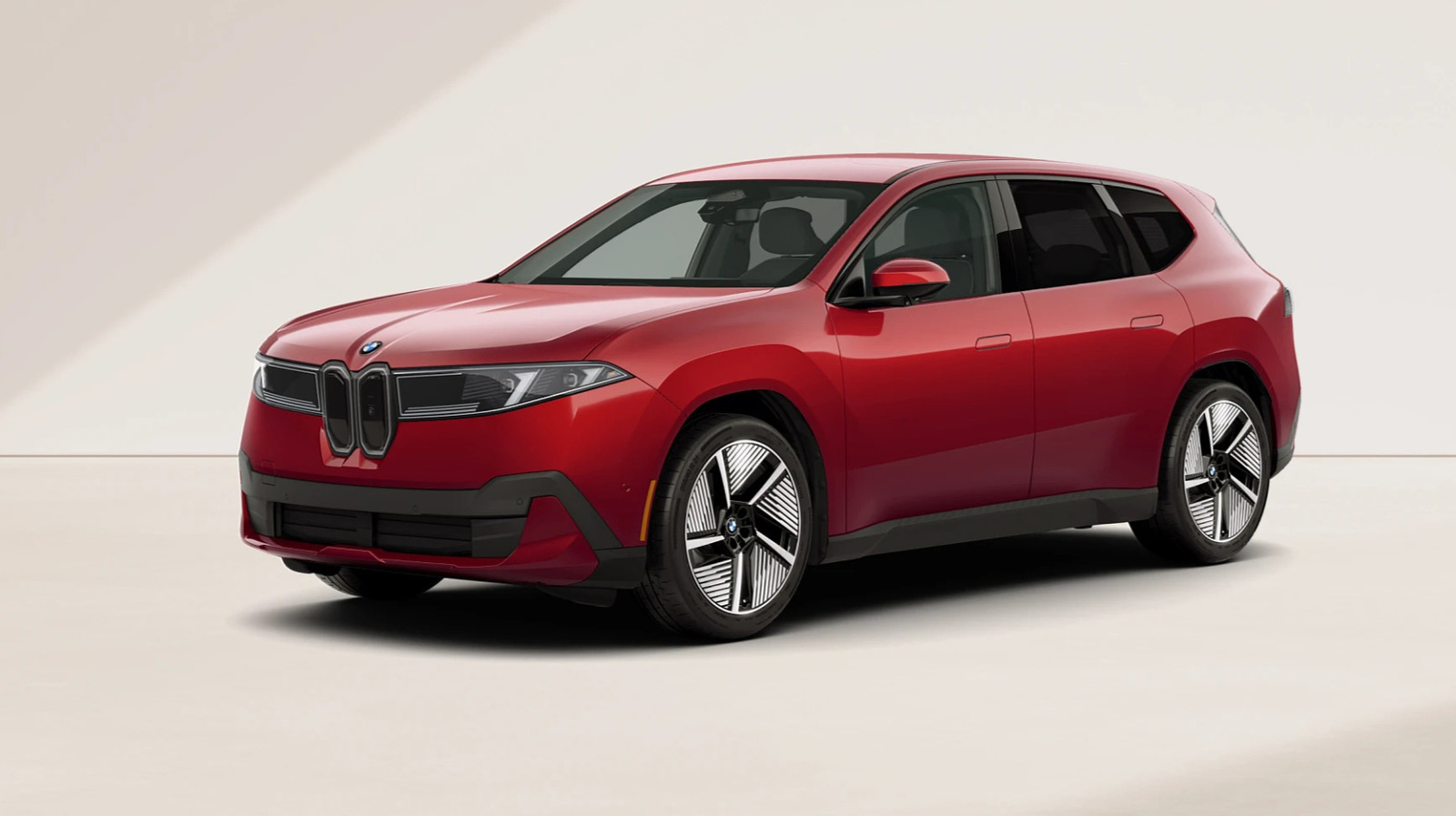
BMW’s fully electric 2027 iX3 will launch in the United States with a starting price of $62,850 including destination and an official maximum range of 434 miles, according to Jalopnik. That combination alone makes the vehicle significant. At a time when many electric vehicle announcements still lean heavily on concept language, BMW has released a concrete price, a concrete U.S. range figure and clear charging specifications for a model positioned as a mainstream premium crossover rather than a halo car.
The first U.S. version will be the dual-motor iX3 50 xDrive, producing 463 horsepower and 476 pound-feet of torque. Those are strong performance numbers, but the bigger story is how BMW is using its Neue Klasse platform and 800-volt architecture to turn long range into a competitive lever in a crowded part of the EV market.
The range figure is the headline
BMW says the iX3 can travel 434 miles on a charge if buyers choose 20-inch wheels with summer tires. Even the least efficient setup is rated at 383 miles. That means the iX3 does not merely clear the 300-mile threshold that has become table stakes for many premium EVs. It moves deep into the territory occupied by some of the market’s longest-range models.
Range is not the only measure that matters in electric vehicles, but it remains one of the clearest signals to buyers deciding whether a battery-powered crossover can replace a gasoline vehicle without too much compromise. A 434-mile rating changes that conversation. It suggests fewer charging stops on highway travel, more flexibility in cold or hot weather and more buffer for owners who cannot or do not want to recharge constantly.
BMW’s wheel-and-tire breakdown is also notable. Standard 20-inch wheels with all-season tires are rated at 383 miles. Optional 21-inch wheels come in at 398 or 399 miles depending on tire choice, while available 22-inch summer-tire setups are still rated at 392 miles. Those figures suggest BMW has limited the usual efficiency penalty associated with larger wheels.

Fast charging is part of the pitch
The iX3’s 800-volt system allows DC fast charging at up to 400 kW, which BMW says can take the battery from 10% to 80% in 21 minutes. The company also says drivers can add 185 miles of range in 10 minutes. Those figures matter because long range by itself does not solve the EV usability problem if charging speeds remain mediocre. BMW is trying to pair endurance with fast recovery.
In the U.S., the iX3 will include a Tesla-style NACS port as standard equipment. That aligns the vehicle with the charging connector increasingly becoming the default in the North American market. BMW is also offering a Wallbox Plus home charger rated for 15 kW and adapters for vehicle-to-home, vehicle-to-load and vehicle-to-vehicle functions, signaling that the company views the car as part of a broader energy ecosystem rather than an isolated product.
BMW is making a value argument too
Jalopnik notes that the iX3 starts about $5,000 below an X3 M50. That comparison is strategic. BMW is not positioning the EV as an expensive science project buyers must pay extra to experience. Instead, it appears to be presenting the iX3 as a serious alternative within the heart of its existing crossover lineup.
That matters because the premium EV market has entered a phase where hardware novelty is no longer enough. Buyers are comparing electric models not just against other EVs but against highly refined gasoline and hybrid vehicles from the same brand families. Price discipline, equipment content and daily convenience now matter as much as acceleration headlines.
The iX3 appears well equipped out of the box. BMW says standard features include the Panoramic Vision display, a rhombus-shaped touchscreen, ambient lighting, wireless charging, digital key support and an active-safety suite with blind-spot monitoring, adaptive cruise control with steering assist, automated emergency braking, lane-keeping assist and parking sensors.

Why this launch matters for the wider market
The iX3 adds pressure in two areas. First, it challenges rivals on range without moving far upscale on price. Second, it suggests the next wave of premium EVs will compete on efficiency, charging speed and packaging discipline rather than relying mainly on styling or one-off software tricks.
BMW has already said the related i3 sedan will target even more range, and that makes the iX3 an important early indicator of what the Neue Klasse era could mean commercially. If BMW can bring this combination of price, range and charging performance to market as promised, it will strengthen the case that established luxury automakers can still reset expectations in EVs even after the first generation of electric launches.
The takeaway
The 2027 BMW iX3 is not important because it is electric. Premium automakers already have EVs. It is important because BMW is claiming unusually strong range at a price point that puts the vehicle directly into the center of the premium crossover market. Add 800-volt charging, a standard NACS port and dual-motor performance, and the iX3 looks less like a niche transition product and more like a serious benchmark for the next phase of electric competition.
This article is based on reporting by Jalopnik. Read the original article.
Originally published on jalopnik.com