కారఖానా ఉత్పాదన లైన్లో హ్యూమనాయిడ్ రోబోట్లను వాహనం చేయడానికి రేసు
Renault Group 2027 నాటికి దాని కారఖానాలలో 350 హ్యూమనాయిడ్ రోబోట్లను వాహనం చేయాలని ప్రణాళిక చేసింది, ఇది పెద్ద స్కేల్లో ఆర్థిక ఉత్పాదనకు హ్యూమనాయిడ్ టెక్నాలజీని చేర్చిన మొదటి ప్రధాన ఆటోమేకర్ను చేస్తుంది. రోబోట్లను Calvin-40 అని పేరు పెట్టారు, Wandercraft తో ఎస్సేలలో అభివృద్ధి చేయబడ్డాయి, Renault సంఖ్యలో తక్కువ వాటాను కలిగి ఉన్న ఫ్రెంచ్ స్టార్టప్. డిప్లాయ్మెంట్ Renault యొక్క futuREady వ్యూహం యొక్క కేంద్ర సమ్మేళనం మరియు ప్రతి వాహనానికి ఉత్పాదక గంటలను 30 శాతం తగ్గించడానికి ఉద్దేశించబడింది.
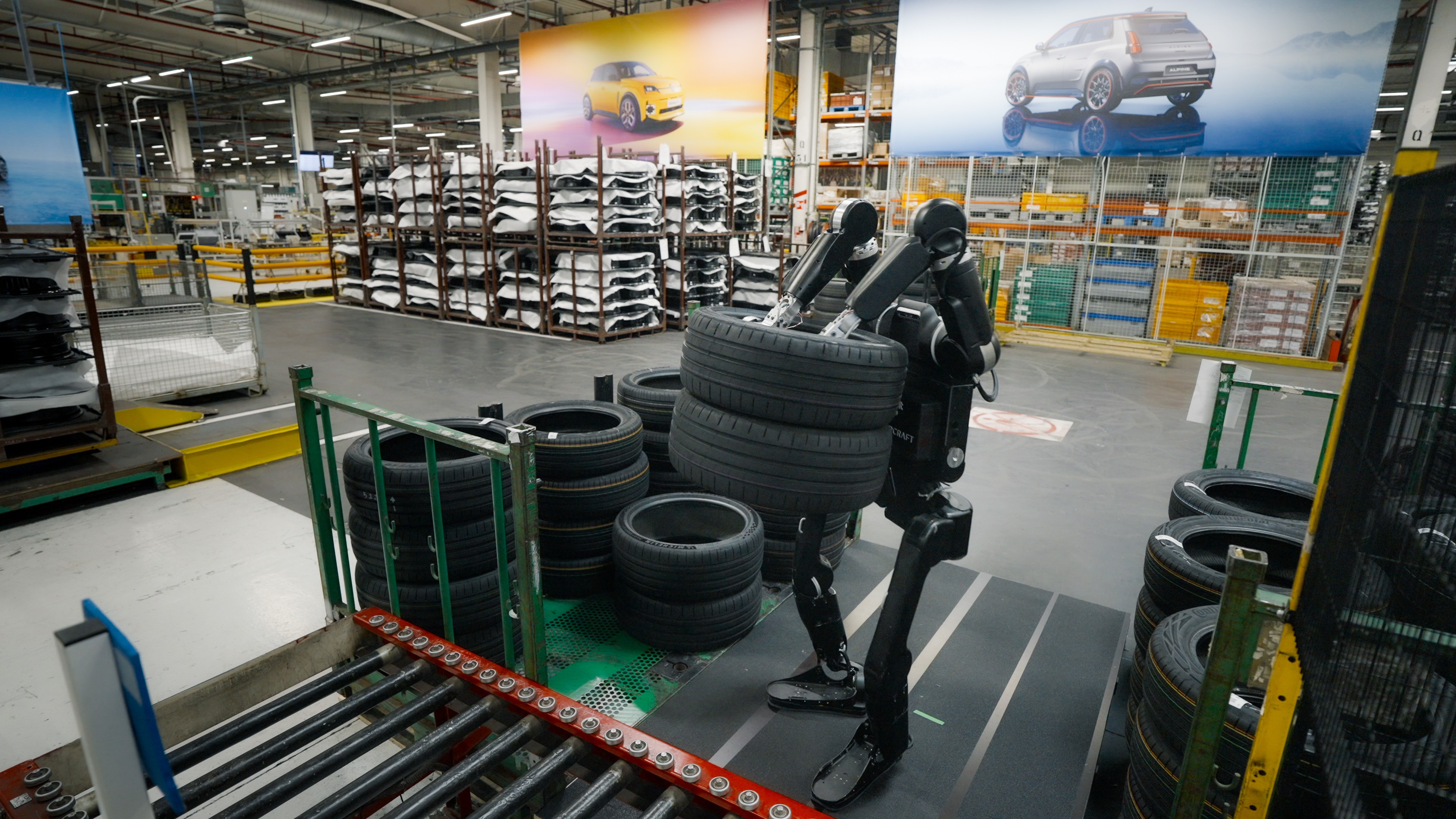
Calvin-40 రోబోట్లు మాట్ బ్లాక్, హెడ్లెస్ యూనిట్లు, ఇవి ఆచరణీయ ఉపయోగానికి రూపొందించబడ్డాయి. వారు 40 కిలోగ్రాముల వరకు లోడ్లను తీసుకెళ్లవచ్చు, వారి మిడ్-సెక్షన్లో కెమెరాలను కలిగి ఉంటారు మరియు మానవ కార్మికులకు ఆపరేషనల్ స్థితిని కమ్యూనికేట్ చేయడానికి LED లైట్లను ఉపయోగిస్తారు. Renault యొక్క ఉత్పాదక నిర్ణేతృ, Thierry Charvet చూపిన ఫుటేజ్, Calvin రోబోట్లు ఉత్తర ఫ్రాన్స్లోని Douai సౌకర్యంలో టైర్ల సెట్లను పదేపదే ఎత్తుకువెళ్లడం చిత్రీకరించారు.
హ్యూమనాయిడ్ రూపానికి ఇంజనీరింగ్ కేసు
ప్రస్తుత పరిమితులు ఉన్నప్పటికీ Renault ఎందుకు హ్యూమనాయిడ్ డిజైన్ను ఎంచుకుంది అని చార్వెట్ స్పష్టంగా చెప్పారు. బిపెడల్ ఫార్ములా ఒక ఆచరణీయ ప్రయోజనాన్ని అందిస్తుంది, ఇది చక్రాల వాహనాలు ప్రస్తుత కారఖానా లేఅవుట్లో ఇవ్వలేవు: స్థిరత్వానికి విస్తృత ఆధారం అవసరం లేకుండా కఠినమైన ఖాళీలలో భారీ లోడ్ల తీసుకెళ్లవల్లెను. మీరు ఒకే చక్రాల వాహనం తన చేతుల చివరిలో 30 కిలోగ్రాములు తీసుకెళ్లడం ఎలా చేస్తుందో ఊహించినట్లయితే, మీకు చాలా విస్తృత ఆధారం అవసరం — హ్యూమనాయిడ్ రూపం అనేక కారఖానా కార్যక్షేత్రాల కోసం ఆటోమేషన్ను ఉపయోగించటానికి సెట్ చేస్తుంది, అది ఇంతకు ముందు సాధ్యం కాలేదు.
Calvin రోబోట్లను డబ్బాల నుండి మిశ్రమ భాగాలను ఎంచుకోవడానికి శిక్షణ ఇవ్వచ్చు — ఇది మానవ నిపుణతలు మరియు విజువల్ రికగ్నిషన్ని అవసరమయ్యే కర్తవ్యం, ఇది ఐతిహ్యవాహక పారిశ్రామిక రోబోట్లు ఆర్థికంగా ప్రతిలిపి చేయడానికి కష్టపడతాయి. మొదటి Calvin ప్రోటోటైప్ ఏప్రిల్ 2025లో కనిపించింది మరియు Douai కు సరళమైన పనులను కేటాయించారు. రెండవ యూనిట్ అక్టోబర్ 2025లో వచ్చింది మరియు ఆ అదే పనులను ఇప్పటికే రెట్టింపు వేగంలో చేస్తుంది, సంస్థల మధ్య వేగవంతమైన AI-చేపబడిన సామర్థ్య సంబంధాలను ప్రతిబింబిస్తుంది.

Renault యొక్క విస్తృत ఆటోమేషన్ ఆకాంక్షలు
Renault Renault 5 మరియు Twingo EVs సహ నవీన నమూనాలతో కలిపి ఒక వాహనానికి ఉత్పాదక సమయాన్ని 10 గంటలు లేదా తక్కువకు తగ్గించడానికి కష్టపడుతుంది. Calvin డిప్లాయ్మెంట్ ద్వారా లక్ష్యం చేయిన 30 శాతం ఉత్పాదక గంటల కమ్మీ ఒక ముఖ్యమైన నిర్మాణ ఖర్చు మెరుపు ప్రতిఫలిస్తుంది — తక్కువ ఖర్చు చిన్న ఉత్పాదకులు నుండి విషపూర్వక పీడన ఎదుర్కొంటున్న యూరోపియన్ ఆటోమేకర్ల కోసం కీలకమైనది.
Renault Calvin ను హ్యూమనాయిడ్ ప్ల్యాట్ఫారమ్ల కుటుంబంలో మొదటిగా చేస్తుంది. కంపెనీ మరియు Wandercraft రోబోట్లను సంస్థీకరించటానికి మరియు వాల్యూమ్ ఉత్పాదన ద్వారా ఖర్చులను తగ్గించటానికి ప్రణాళిక చేస్తుంది, భవిష్యత యూనిట్లు మరింత సామర్థ్యవంతమైన చేతులు మరియు విస్తృత కర్తవ్య సెట్లను కలిగి ఉండటానికి ఆశించారు. Eve అనే వ్యక్తిగత కవచాలు కూడా భాగస్వామ్యంలో ఉన్నాయి, ఇవి చాలా కర్తవ్యాలను పూర్తి చేసే మానవ కార్మికులపై శారీరక ఒత్తిని తగ్గించటానికి రూపొందించబడ్డాయి.
పోటీ ప్రకృతి
Renault పోటీ ఫీల్డ్లో ప్రవేశిస్తుంది. Tesla Model S మరియు Model X ఉత్పాదన నుండి విषయానికి తన Optimus హ్యూమనాయిడ్ రోబోట్ ఉత్పాదనకు పివట్ చేసే ఘోషణ చేసింది. Hyundai దాని Boston Dynamics సహాయక నుండి రోబోట్లను డిప్లాయ్ చేస్తుంది. BMW మరియు Mercedes-Benz హ్యూమనాయిడ్ స్టార్టప్ల సంగతి పైలట్ ప్రోగ్రామ్లను సమర్థించారు.
Renault నుండి దిశను అందాలను చేస్తున్న విషయం ఒక ఏకీయ సహకారిపై లోతైన నిబద్ధత. Wandercraft లో సంఖ్యలో తక్కువ వాటాను పట్టుకోవటం మరియు తన ఉత్పాదక పరిసరానికి కోసం Calvin సంయుక్త-అభివృద్ధి చేసుకోవటం, Renault గ్రాహక మరియు అభివృద్ధి సహకారి రెండూ వలె అనేకవర్ణీయ చేస్తుంది. Wandercraft 2012లో పారిస్లో స్థాపించారు, ఆరంభంలో ఆసుపత్రి రీహాబిలిటేషన్ కోసం వైద్యపరమైన కవచాలపై దృష్టి సారించారు. జూన్ 2025 ఫండింగ్ రౌండ్ $75 మిలియన్ విలువ, Renault మరియు Bpifrance నేతృత్వ ఉపసంహార నుండి, పారిశ్రామిక ఆటోమేషన్కు సంభవ నిధి ఇచ్చారు.
సమీప-సమయ పరిమితులు మరియు ఫార్వర్డ్ పాట
ఇప్పటికి, Calvin యూనిట్లు సరళమైన పునరుక్తమైన పనులను నిర్వహిస్తాయి — టైర్ల ఎత్తిబెడిపి, బాడీ షాప్ పానెల్ల వहन చేయుట — ప్రస్తుత వేగం మరియు నిపుణతల పరిమితుల కారణంగా చేపబడిన పారిశ్రామిక రోబోట్ల కంటే. మానవ కార్మికులు సన్నిహిత-లైన్ కార్యకలాపాలను కొనసాగిస్తారు, ఇవి చేతి మోటార్ సమన్వయం అవసరం. చార్వెట్ AI మరియు అభివృద్ధి చేయిన యాంచువేటర్ హార్డ్వేర్ రోబోట్లను విస్తృతం చేసుకోవటంతో ఈ విభజన కోసం ఉదృవ్యతను ఆశిస్తాడు.
2027 సమయరేఖ హ్యూమనాయిడ్ రోబోటిక్స్ పరిశ్రమలో వేగవంతమైన పరిణామం చేసుకోవటానికి సరిపోలుతుంది. బహుళ ప్రతిద్వంద్వ ప్ల్యాట్ఫారమ్లు ఒకే సందర్భ సమయం చుట్టూ ప్రారంభ వాణిజ్యం వాహనానికి ఆశించారు. Calvin యొక్క మొదటి మరియు రెండవ యూనిట్ల మధ్య ప్రదర్శించిన పనితీరు సంస్కరణలు టెక్నాలజీ వక్ర రెండు నుండి మూడు సంవత్సరాల దూరం గరిష్టమైన హ్యూమనాయిడ్ రోబోట్ సామర్థ్యలను చేపుటపై చేసుకోవటానికి దృఢమైన సూచించటం.
ఈ కథ Automotive News ద్వారా సమాచారం ఆధారపడింది. అసలు కథ చదువు.
Originally published on autonews.com