3 సిరీస్ దాని స్వంత ప్ల్యాట్ఫారమ్లో ఎలక్ట్రిక్గా వెళుతుంది
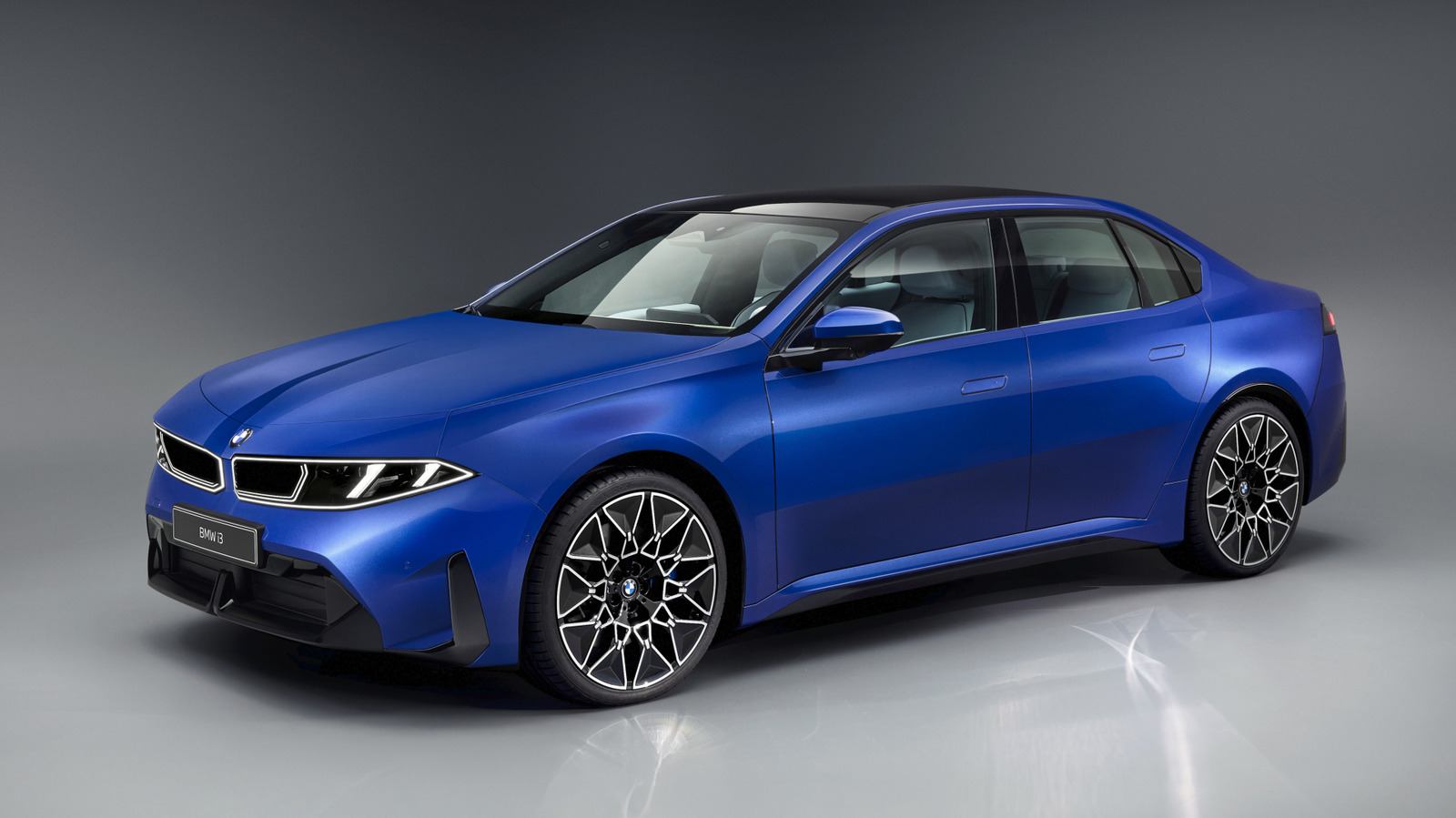
BMW ఐదు దశాబ్దాలుగా 3 సిరీస్ నేమ్ప్లేట్ను స్పోర్ట్స్ సెడాన్ వర్గాన్ని నిర్వచించడానికి ఉపయోగించారు. 2027 BMW i3 Neue Klasse ప్ల్యాట్ఫారమ్పై నిర్మితమైన పూర్తిగా ఎలక్ట్రిక్ కారుగా 3 సిరీస్ను కొత్త యుగంలోకి తీసుకువస్తుంది — BMW యొక్క మొదటి గ్రౌండ్-అప్ EV ఆర్కిటెక్చర్. ఈ ఆవిష్కరణ BMW యొక్క ఎలక్ట్రిక్ సంక్రమణలో అత్యంత ప్రతీక్ష చేసిన క్షణాలలో ఒకటిగా గుర్తించబడుతుంది మరియు కంపెనీ దహన ప్ల్యాట్ఫారమ్లను అనుసంధానం చేయడం ఆపివేసి, ఉద్దేశ్య-నిర్మితమైన EV ఆధారాన్ని ఆలింగనం చేయడానికి సిద్ధమైందని సూచిస్తుంది.
Neue Klasse ప్ల్యాట్ఫారమ్ ప్రారంభ నుండి పెద్ద స్థూపాకార బ్యాటరీ సెల్ల, సమతల నేల ప్యాకేజింగ్ మరియు ప్రస్తుత మరియు తరువాతి తరం చార్జింగ్ వేగాలను సమర్థించే విద్యుత్ ఆర్కిటెక్చర్ను చుట్టూ రూపకల్పన చేయబడింది. 3 సిరీస్ సెడాన్ యొక్క పాదచిహ్నానికి వర్తించినప్పుడు, ఇది EU WLTP పరీక్ష చక్రంలో సుమారు 440 మైల్ల రేంజ్ సాధించుకుందని BMW చెప్పే ఒక కారును అందిస్తుంది — ఇది ప్రీమియం సెడాన్ సెగ్మెంట్లో ఎగువ కొద్దిలో లేదా దగ్గరలో ఉంటుంది.
డిజైన్: నిష్పత్తులకు తిరిగి
BMW యొక్క ప్రస్తుత డిజైన్ పదజాలం విభజన చేయబడింది, ప్రత్యేకంగా విస్తారమైన కిడ్నీ గ్రిల్లె ఇది ఆవిష్కరణ జరిగినప్పుడు విస్తృత విమర్శను ఎదుర్కొంది. 2027 i3 Neue Klasse ఒక పునర్గణన సూచిస్తుంది. దహన ఇంజిన్ను సమ్మతించటానికి అవసరం లేకుండా, హుడ్ ఎక్కువ పొడవు మరియు తక్కువ ఎత్తులో ఉంటుంది, మరియు ముందు ముఖభాగ శీతలీకరణ ఆవశ్యకతల ఆధారంగా గ్రిల్లె పరిమాణం నిర్దేశించబడుటకు బదులుగా ఏరోడైనమిక్ సామర్థ్యం మరియు విజువల్ సమన్వయ చుట్టూ పూర్తిగా రూపకల్పన చేయవచ్చు.
ఫలితంగా ఉన్న నిష్పత్తులు — ఒక పొడవైన హుడ్, ఒక కాంపాక్ట్ గ్రీన్హౌస్, మరియు కొద్దిగా ఫాస్ట్బ్యాక్ రియర్ రూఫ్లైన్ — క్లాసిక్ E30 మరియు E46 3 సిరీస్ తరాలను ప్రతిధ్వనించాయి, ఇవి మోడల్కు ఉత్సాహీ ఖ్యాతిని సంపాదించారు. BMW ఈ డిజైన్ దిశ ఉద్దేశ్యమని స్పష్టంగా చెప్పింది, Neue Klasse సౌందర్యశాస్త్రాన్ని 3 సిరీస్ను దాని అత్యంత ఉత్కృష్ట రూపంలో నిర్వచించిన నిష్పత్తి విలువలకు తిరిగి వస్తుందిగా వివరించారు.
ప్ల్యాట్ఫారమ్ ప్రయోజనాలు
Neue Klasse ప్ల్యాట్ఫారమ్ యొక్క 800-వోల్ట్ విద్యుత్ ఆర్కిటెక్చర్ చార్జింగ్ వేగాలను సక్షమం చేస్తుంది, ఇది దీర్ఘ-దూరం డ్రైవింగ్ను మునుపటి BMW EVల కంటే గణనీయంగా చేపట్టవచ్చు. 440 మైల్ల రేంజ్తో కలిపినప్పుడు, రూఢా డ్రైవింగ్ కూడా ఒక పొడవైన ప్రయాణంలో ఎక్కువ చార్జింగ్ స్టాప్ల కోసం చాలా అరుదుగా అవసరం ఉండాలి, మరియు చార్జింగ్ స్టాప్ స్వయంగా సంక్షిప్తమైనది ఉండాలి — BMW సరైన పరిస్థితుల్లో 15 నిమిషాల కన్నా తక్కువ సమయంలో రేంజ్లో 100 మైల్ల జోడించటానికి సంబంధితమైన శిఖర DC చార్జింగ్ రేట్లను కోటీకరించారు.
ప్ల్యాట్ఫారమ్ పవర్ట్రెయిన్, సస్పెన్షన్ మరియు డ్రైవర్ సహాయక వ్యవస్థల కోసం ఓవర్-ది-ఎయిర్ సాఫ్ట్వేర్ అప్డేట్లను కూడా సమర్థిస్తుంది, BMW యొక్క మునుపటి EV అనుసంధానాలు అస్థిరంగా సరఫరా చేసిన ఒక సామర్థ్యం. Neue Klasse వాహనాలు వాటి జీవనచక్ర అంతటా పనితీరు మరియు ఫీచర్ అప్డేట్లను అందుకుంటాయి, Tesla మరియు ఇతర సాఫ్ట్వేర్-ఫర్స్ట్ EV ప్రత్యర్థులతో ఒక ఖాళీని ముడిచివేస్తుంది.
దహన 3 సిరీస్ కొనసాగుతుంది
BMW Neue Klasse i3 గ్యాసోలిన్- మరియు హైబ్రిడ్-శక్తిచేత సంబంధిత 3 సిరీస్ రూపాంతరాలచే చేర్చబడుతుందని నిర్ధారించారు, ఇవి కొత్త కారు యొక్క బాహ్య డిజైన్ భాషను పంచుకుంటాయి కాని BMW యొక్క ఉద్దేశ్ యుక్తమైన దహన వాహనాల కోసం ఉన్న CLAR ప్ల్యాట్ఫారమ్పై ఓడతాయి. ఈ ద్వయ-ప్ల్యాట్ఫారమ్ విధానం ఎలక్ట్రిక్ మరియు దహన వాహనాల కోసం డిమాండ్ మార్కెట్ల ద్వారా విభిన్నంగా పంపిణీ చేయబడిన వాస్తవతను ప్రతిబింబిస్తుంది, EU మరియు చైనీస్ కొనుగోలుదారులు US మరియు ఇతర మార్కెట్లలో కస్టమర్ల కంటే EV లను వేగంగా ఆలోచిస్తున్నారు, ఇక్కడ మౌలిక సదుపాయాలు మరియు ప్రోత్సాహక నిర్మాణాలు తక్కువ అభివృద్ధి చెందిన సమస్యాలకు ఉంటాయి.
ఎలక్ట్రిక్ i3 మరియు దహన సహోదరుల మధ్య విజువల్ సమ్మేళనం ఉద్దేశ్యపూర్వకంగా ఎంచుకోబడింది — BMW కుటుంబ సారూప్యతను స్పష్టంగా చేయాలనుకుంటుంది, పవర్ట్రెయిన్ ఎంపిక మార్కెట్ మరియు కస్టమర్ ప్రాధాన్యం ద్వారా సరళంగా ఉంటుంది. రెండు రూపాంతరాల ఉత్పత్తి BMW యొక్క ముంచెస్టర్ ఉత్పత్తి సంస్థలో జరుగుతుంది, న్యూ క్లాస్ మరియు CLAR ప్ల్యాట్ఫారమ్ ఉత్పత్తిని సమాంతరంగా నిర్వహించటానికి పునర్నిర్మితమైనది.
సాపేక్ష సంస్థాపన
2027 i3 BMW Neue Klasse ఆధారపడిటానికి ప్రారంభించినప్పుడు ఉన్న దానికంటే ఎక్కువ పోటీ ప్రీమియం ఎలక్ట్రిక్ సెడాన్ మార్కెట్లోకి ప్రవేశిస్తుంది. Mercedes-Benz యొక్క EQE, Polestar 2, Lucid Air, మరియు ఒక ఆధారపడిన Tesla Model 3 ఒక పూర్ణ క్షేత్రాన్ని స్థాపించారు. BMW యొక్క సమాధానం ఒక విశ్వాసార్హతా నాటకం: 3 సిరీస్ నేమ్ప్లేట్ను దాని సంపూర్ణ సంప్రదాయ సంఘాలు మరియు డ్రైవింగ్ డైనమిక్ల ఖ్యాతితో, ఉద్దేశ్యం కోసం ఇంజనీరీ చేయబడిన ఒక ప్ల్యాట్ఫారమ్పై నిర్మితమైన ఎలక్ట్రిక్ కారుగా అందిస్తుంది. ఈ సరిపోతుందా, ఇప్పటికే ప్రత్యర్థులకు మారిపోయిన కస్టమర్లను పునరుద్ధరించటానికి, BMW యొక్క చాలా ముఖ్యమైన ఎలక్ట్రిక్ వాహనం సంభవించే వాణిజ్య విజయం నిర్ణయిస్తుంది.
ఈ కథనం Jalopnik ద్వారా రిపోర్టింగ్ఆధారంగా ఉంది. అసలు కథనాన్ని చదవండి.
Originally published on jalopnik.com