Artemis 2 is being framed as a mission for more than the usual audience
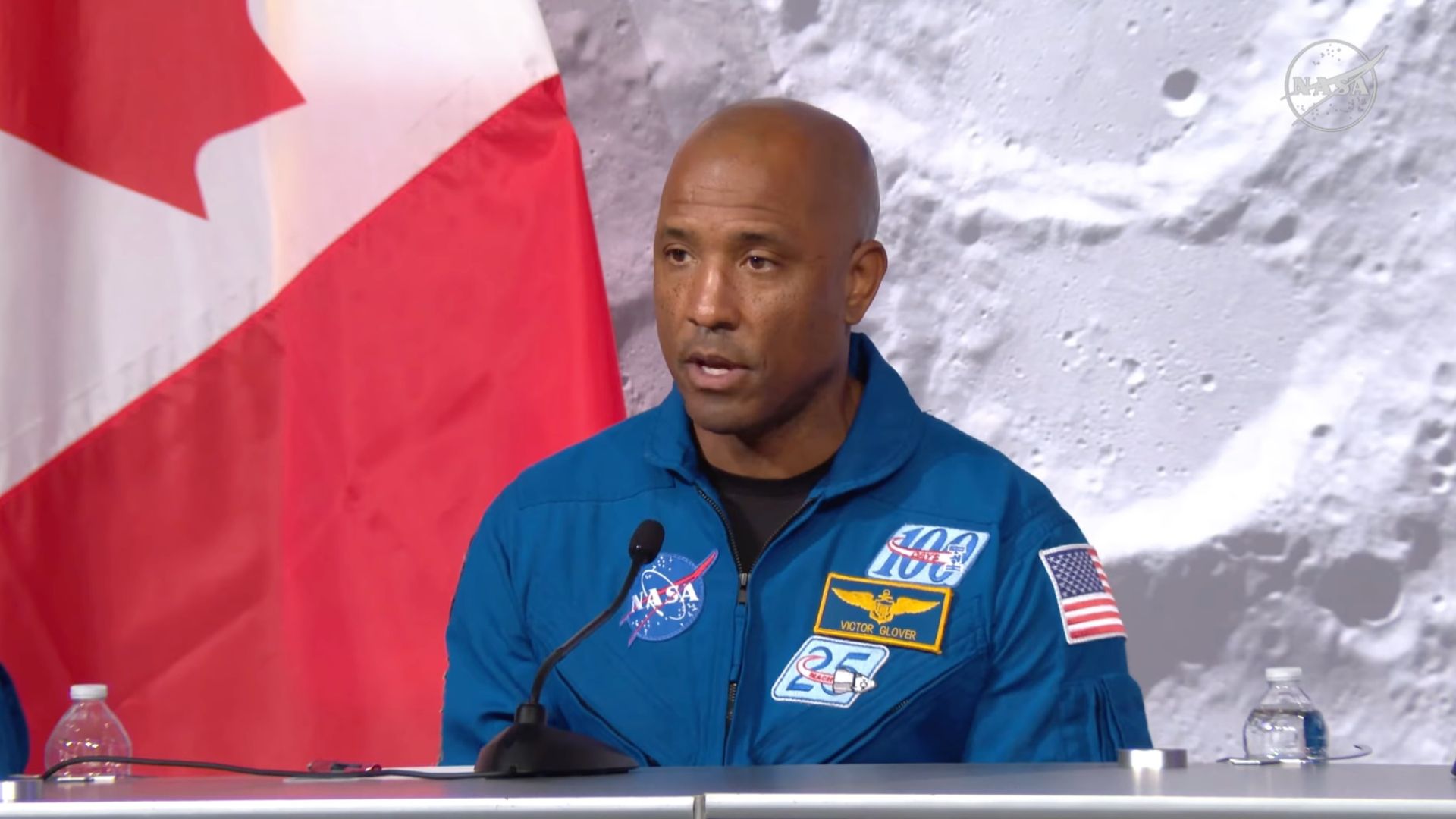
NASA astronaut Victor Glover says he is thinking about Artemis 2 as a mission that needs to connect with people well beyond the core spaceflight audience. In comments reported by Space.com, Glover said he is not focused primarily on milestones, even though the mission is expected to make him the first Black person to leave low Earth orbit. His emphasis, aside from preparing for a safe flight, is on sharing the experience with different communities, especially those that do not normally follow space exploration closely.
That is an important signal about how NASA wants Artemis to function publicly. The agency is not only trying to return astronauts to deep-space missions around the moon. It is also trying to rebuild a durable civic case for why those missions matter. In that context, Glover’s comments read as more than personal perspective. They reflect a broader effort to expand who feels addressed by flagship space programs.
The milestone is real, but Glover’s framing is deliberate
Artemis 2 is scheduled to launch no earlier than April 1, according to the source. The mission will be historically significant on its own terms, but Glover’s remarks suggest a careful refusal to let symbolism become the full story. He acknowledged that different audiences may approach the mission in different ways, and he wants to listen to them rather than assume a single narrative fits everyone.
That approach matters because large public missions can become overcompressed into a few headline milestones. Those milestones are important, but they can also narrow the conversation. Glover appears to be arguing for a wider interpretation: a moon mission should be a technical, cultural, and educational event all at once.

NASA’s case for Artemis depends on public connection
Programs like Artemis require long timelines, political backing, and public patience. That makes outreach more than a side responsibility. It is part of the program’s operating logic. If the mission is seen as relevant only to committed space enthusiasts, its political and cultural resilience becomes weaker. If more communities can see themselves in its purpose, the program stands on firmer ground.
Glover is well positioned to make that case. The source notes that he previously served as pilot on SpaceX’s Crew-1 mission to the International Space Station, where he spent 168 days in space and conducted four spacewalks. It also points to his military and engineering background, including U.S. Navy aviation and test-pilot work. That combination gives him technical authority, but it also gives him credibility when he talks about the broader meaning of service and representation.
Artemis has to prove it can be expansive
There is a recurring tension in modern spaceflight between the extraordinary and the inclusive. The missions themselves are rare, costly, and technically elite. But the agencies behind them increasingly argue that their benefits, inspiration, and meaning are widely shared. Glover’s comments suggest he wants Artemis 2 to close that gap in practical terms by engaging communities that are often spoken about but not always genuinely centered.
That does not happen through slogans alone. It requires listening, translation, and a willingness to explain why a lunar mission belongs in a wider national conversation. Glover’s remarks indicate that he sees that work as part of the astronaut job, not a public-relations add-on.

A different measure of success
Artemis 2 will ultimately be judged first on safety and execution. But Glover is pointing to a second metric. If the mission can make people who rarely pay attention to space feel that they also have a stake in it, then NASA will have achieved something larger than a clean trajectory around the moon. It will have strengthened the social foundation for the next phase of human exploration.
- Victor Glover says Artemis 2 should engage people beyond the usual space audience.
- The mission is scheduled to launch no earlier than April 1.
- Glover is expected to become the first Black person to leave low Earth orbit.
- His comments frame outreach as central to the mission’s public purpose.
This article is based on reporting by Space.com. Read the original article.
Originally published on space.com