A solar chemistry mystery may finally have an answer
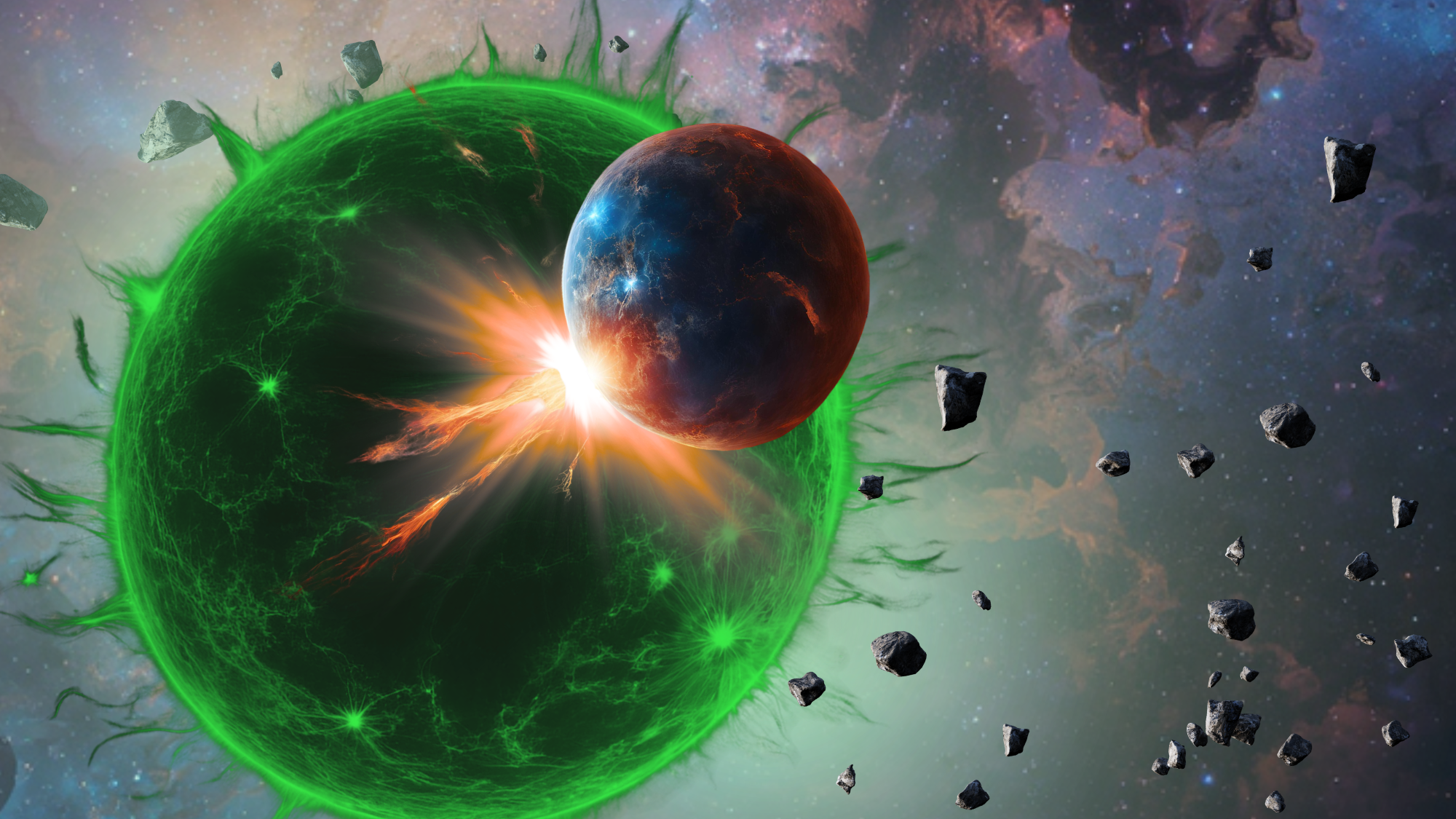
For years, astronomers have faced an oddly persistent problem: when they measured how much silver exists in the Sun, the result came up well below what meteorites suggested it should be. Because the Sun and the primitive meteorites of the Solar System formed from the same cloud of gas and dust about 4.6 billion years ago, scientists expect them to preserve broadly matching proportions of heavy elements. Silver was one of the exceptions that would not cooperate.
Now, according to new work led by Sema Caliskan at Uppsala University, that mismatch appears to have been resolved. The implication is not that the Sun somehow gained silver or that the meteorites were misleading. Instead, the problem seems to have been methodological. The Sun was not missing silver after all; astronomers were undercounting it because their models of the solar atmosphere and the relevant atomic behavior were too simplified.
That kind of result may sound narrow, but it matters well beyond one element. The chemical composition of the Sun serves as a reference point across astronomy. It informs how scientists compare stars, reconstruct the history of the Solar System, and test models of how matter behaves in hot stellar atmospheres. Fixing a longstanding abundance mismatch strengthens confidence in the broader framework used to interpret spectra from stars.
Why silver became a problem in the first place
The original puzzle came from an apparent contradiction between two trusted records of the Solar System’s makeup. Meteorites, especially primitive samples that have changed little since the Solar System formed, act as chemical time capsules. They are commonly used as benchmarks for heavy-element abundances. If the Sun and those meteorites share a common origin, the relative amount of silver should line up reasonably well between them.
But repeated measurements of the Sun’s silver content fell short, and not by a trivial amount. That gap raised the possibility that either solar measurements were flawed, the comparison method had hidden weaknesses, or some overlooked physical process was distorting the reading. The mismatch lingered long enough to become one of those technical but important anomalies that scientists cannot comfortably ignore.
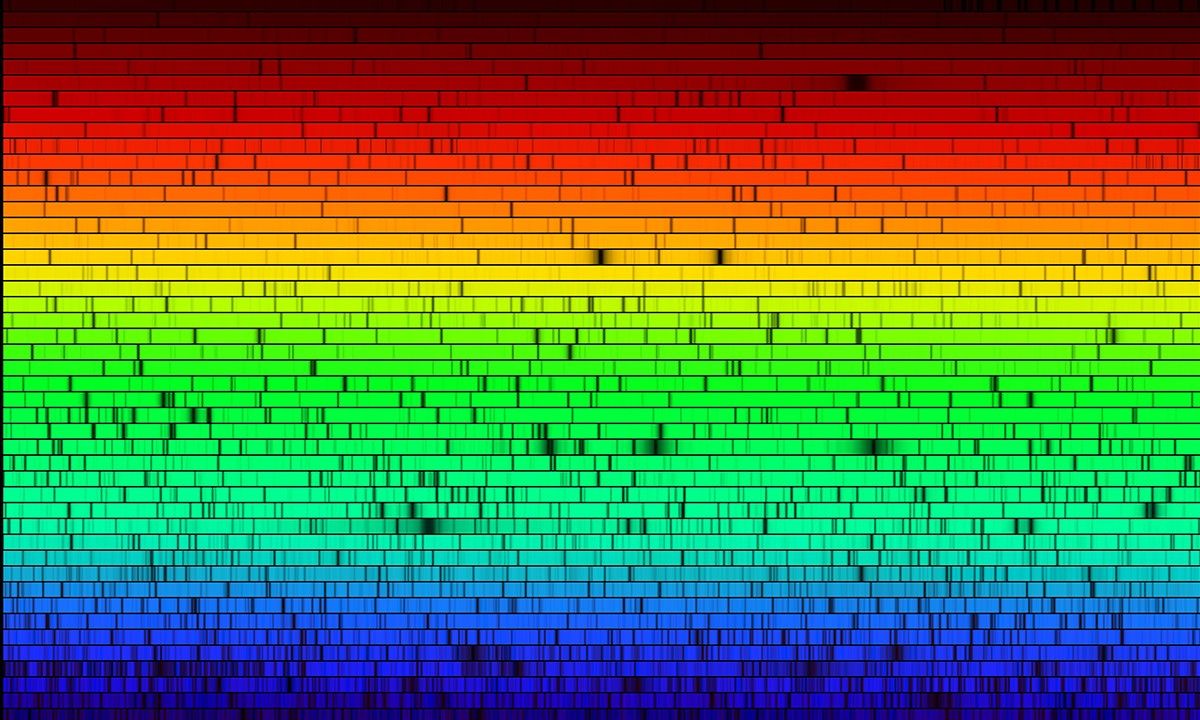
The new work argues that the issue lay in how the measurements were inferred from sunlight. Astronomers do not scoop material directly from the Sun to count atoms. They read the chemical signature embedded in light. As sunlight passes through the Sun’s outer layers, atoms absorb specific wavelengths, leaving dark lines in the spectrum. Those absorption features act like fingerprints for elements. The challenge is that turning a line in a spectrum into an abundance estimate depends on how accurately researchers model the environment where that line formed.
A better model changes the answer
Caliskan and colleagues built what the report describes as a more realistic model of the Sun’s outer layers, capturing the atmosphere as turbulent and dynamic rather than treating it with older simplifying assumptions. They also incorporated more precise atomic physics for how silver atoms interact with light and with their surroundings. That combination changed the abundance calculation enough to close the gap with meteorite measurements.
One detail appears especially important: the model accounts for the way light itself affects the atoms responsible for the absorption lines. Earlier, simpler calculations had overlooked that effect. Once that missing physics was included, the silver estimate moved into line with what meteorites had been indicating all along.
This is a familiar pattern in modern astronomy. As observations become more precise, discrepancies that once looked like clues to exotic new physics can turn out to be reminders that the modeling layer matters just as much as the data. In this case, the solution did not require a new class of instrument or a surprising solar process. It required a more faithful representation of conditions in the solar atmosphere and a more accurate description of silver’s atomic behavior.
Why the result matters beyond one element
It would be easy to view the silver correction as a niche bookkeeping exercise, but abundance measurements are foundational. The Sun is the nearest star and the best-calibrated laboratory astronomers have for testing techniques used throughout stellar science. If one element’s abundance is wrong because the atmosphere model is incomplete, that raises questions about whether other small mismatches could also be improved with better physics.
The result also reinforces the value of meteorites as a comparative record. Rather than weakening the case for those ancient rocks as benchmarks, the new analysis strengthens it. The meteorites appear to have been pointing in the right direction, while solar modeling had lagged behind the precision needed to match them.
More broadly, the study is a reminder that astronomy advances not only through giant telescopes, dramatic images, and fresh discoveries, but also through painstaking refinements to the hidden machinery of interpretation. Spectral lines may look like thin dark marks on a graph, yet entire stories about stellar composition, solar history, and cosmic chemistry depend on reading them correctly.
A quieter kind of scientific progress
The appeal of this result is that it resolves a decades-old puzzle without spectacle. Scientists did not need to rewrite the history of the Solar System or propose that the Sun is chemically stranger than expected. Instead, they showed that careful modeling can remove an inconsistency that had survived for years.
That does not make the finding small. Precision matters in astrophysics, and the closer researchers can bring solar abundances into agreement with meteoritic records, the stronger the baseline becomes for related work across planetary science and stellar evolution. Each corrected abundance helps tighten the scaffolding that supports bigger inferences elsewhere.
The Sun, then, was never truly short on silver. The shortage was in the model. With a more realistic treatment of its atmosphere and improved atomic physics, the discrepancy appears to have dissolved. That is a useful outcome in its own right, and it also stands as a broader lesson: sometimes the path to solving a cosmic mystery is not to look farther away, but to look more carefully at what has been in front of us all along.
- The Sun and meteorites should show similar heavy-element proportions because they formed from the same primordial cloud.
- Silver measurements in the Sun had long appeared lower than meteorite-based expectations.
- The new research used a more realistic model of the solar atmosphere and improved atomic physics for silver.
- The revised calculation brings the Sun’s silver abundance into agreement with meteorite records.
If the finding holds up, it will not just close a curious chapter in solar chemistry. It will also sharpen one of astronomy’s core reference systems, improving how scientists read the composition of stars and the material history of the Solar System.
This article is based on reporting by Universe Today. Read the original article.
Originally published on universetoday.com