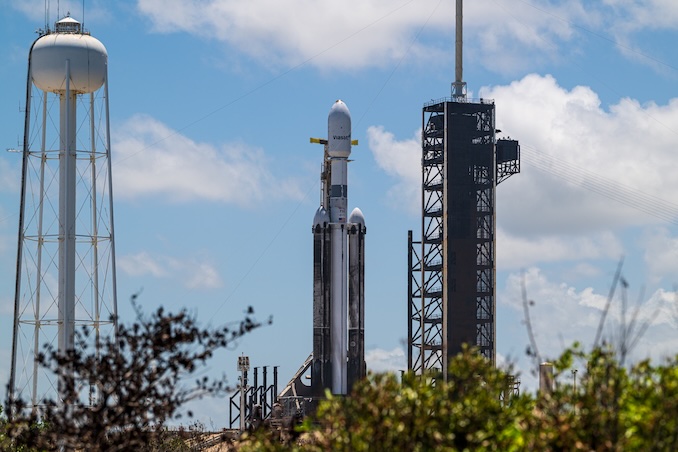
Another Shot at a Heavy-Lift Broadband Mission
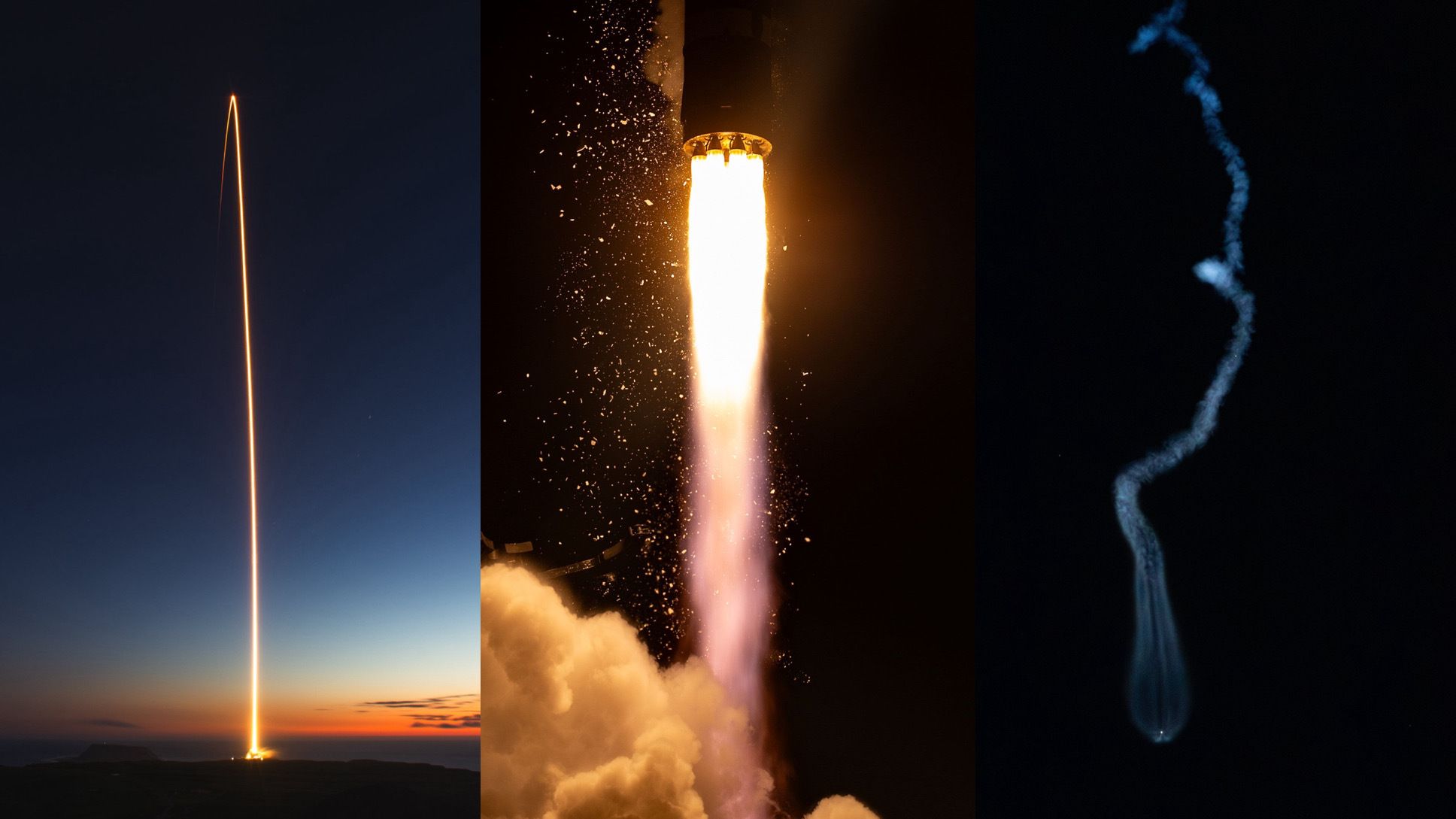
SpaceX is preparing a second attempt to launch its Falcon Heavy rocket with ViaSat-3 Flight 3 after weather forced a last-minute scrub earlier in the week. According to the supplied source text, liftoff is scheduled from Launch Complex 39A at NASA’s Kennedy Space Center for 10:13 a.m. EDT on April 29, at the opening of an 85-minute window.
The mission would send ViaSat-3 F3 to a geosynchronous transfer orbit, completing the third and final satellite in the ViaSat-3 series. Deployment of the spacecraft, described in the source as a six-metric-ton satellite, is expected nearly five hours after launch.
Why This Flight Matters
The significance of the mission is not just the launch itself, but what the satellite is intended to support once it enters service. The source quotes Viasat vice president of Satellite Systems Dave Abrahamian saying the public may increasingly experience the network through airline connectivity, including more carriers offering free onboard Wi-Fi and even free streaming.
That consumer-facing detail points to a larger trend in satellite communications: the shift from basic connectivity to high-bandwidth expectations in transit. The source contrasts today’s use case with the early days of airborne internet, when even basic messaging or email access was considered notable. On the new network, Abrahamian says, passengers can stream video at 4K in the air.
Whether or not travelers recognize the space infrastructure behind those services, the mission represents a direct link between heavy-lift launch capability and the growing demand for always-on connectivity across aviation and other mobile platforms.

Improved Weather, Complex Hardware Mix
SpaceX’s first launch attempt was scrubbed because of poor weather. For the new opportunity, the source says the 45th Weather Squadron forecast a 90 percent chance of favorable conditions, a significant improvement from the 55 percent outlook for the earlier attempt. Thick clouds remained the primary concern.
The rocket configuration also highlights Falcon Heavy’s blend of reuse and expendability. The two side boosters are identified in the source as tail numbers 1072 and 1075, flying for their second and twenty-second missions, respectively. The center core, booster B1098, is brand new and will not be recovered, instead being discarded in the Atlantic Ocean.
That hardware profile captures an enduring feature of SpaceX operations: reuse where the mission allows it, with expendability accepted where performance requirements demand it. Falcon Heavy is not simply a supersized Falcon 9. It is a mission-specific system that combines multiple reuse histories, different recovery plans, and a narrow operating margin shaped by payload mass and destination orbit.
A Rare Flight for a Flagship Rocket
The ViaSat-3 F3 mission marks the 12th flight of Falcon Heavy since its debut in 2018, according to the source text. That number is modest compared with Falcon 9’s cadence, but it reflects the rocket’s role in a more specialized part of the launch market. Heavy-lift missions are fewer, more tailored, and often tied to spacecraft that are expensive, strategic, or difficult to replace.
The source also notes that two previous Falcon Heavy missions carried ViaSat-3 satellites. That makes this flight the closing chapter in a multi-launch deployment effort rather than a standalone event. For Viasat, the third spacecraft is the final piece of a series intended to expand capacity and service reach. For SpaceX, it is another demonstration of how Falcon Heavy has settled into a niche that remains commercially valuable even as the company develops larger next-generation systems.

The Broader Picture for Satellite Connectivity
There is a tendency to treat launch stories as isolated countdown events, but this one sits inside a larger infrastructure buildout. Communications satellites are increasingly part of consumer and enterprise experiences that feel terrestrial even when they are not. Airline passengers, remote workers, and global network operators may experience the service layer without seeing the orbital architecture underneath it.
That makes missions like ViaSat-3 F3 more consequential than their technical labels suggest. A geosynchronous transfer orbit insertion is not an end state for the public. It is an enabling step in the expansion of network capacity, service quality, and commercial expectations around connectivity.
For now, the immediate question is weather and execution. If Falcon Heavy lifts off on schedule and deploys the final ViaSat-3 satellite as planned, the mission will close out a major satellite series and further reinforce the link between launch reliability and the communications systems now embedded in daily life.
This article is based on reporting by Spaceflight Now. Read the original article.
Originally published on spaceflightnow.com