Planetary protection may have a fungal problem
New research highlighted by Universe Today suggests that some fungi may be tougher interplanetary stowaways than space agencies have assumed. The work, led by Atul M. Chander of NASA Jet Propulsion Laboratory and co-authors, argues that planetary protection protocols have focused heavily on bacteria while underestimating the contamination risk posed by fungi found in cleanrooms.
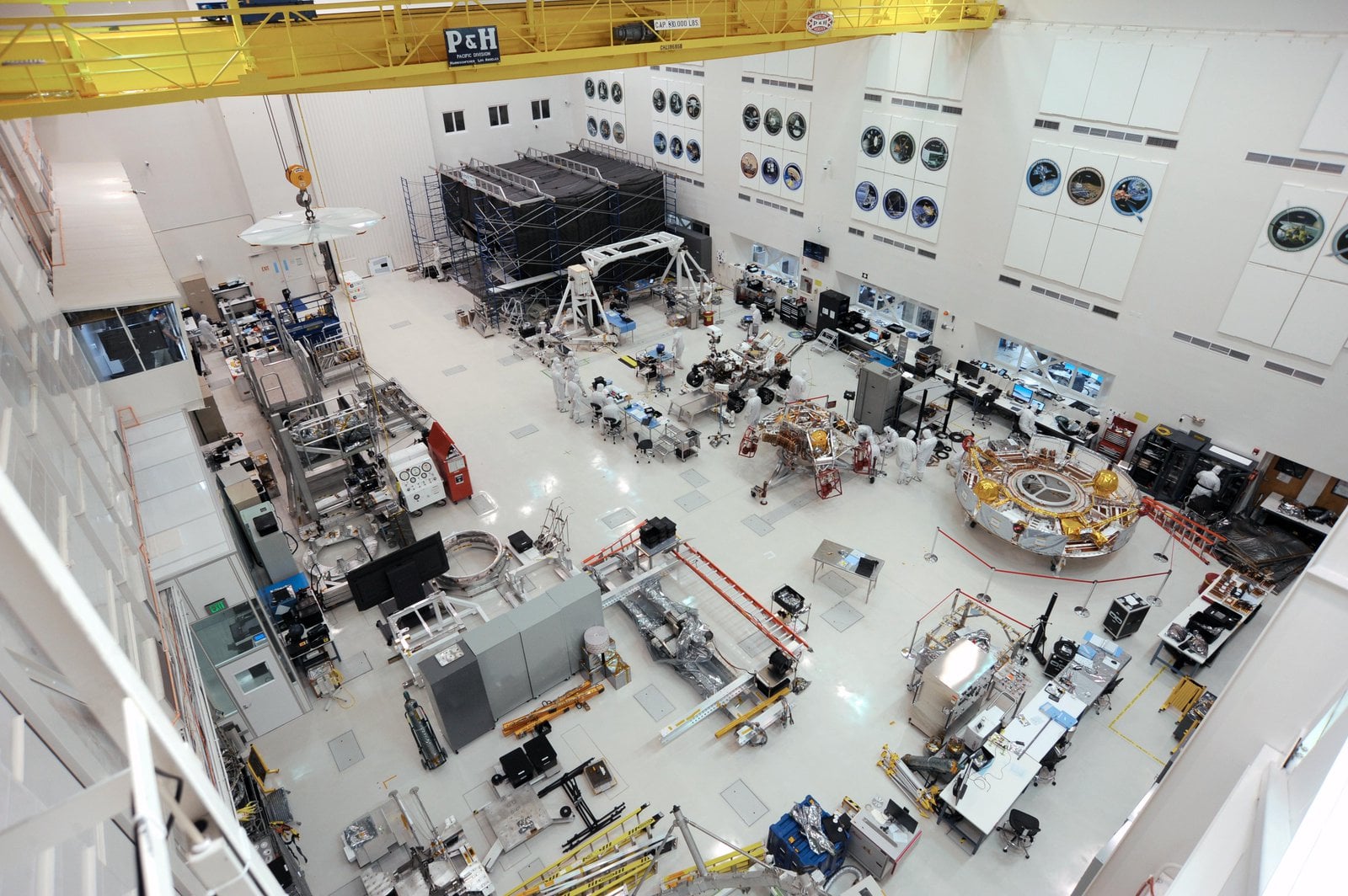
The concern begins with what cleanrooms are designed to do. Current sterilization practices, including dry-heat microbial reduction and strict handling procedures, have been built around killing hardy bacterial strains such as Bacillus. The underlying assumption was simple: if the system can eliminate the toughest bacteria, it can likely eliminate everything else. The new study challenges that assumption by pointing to fungi as a distinct biological threat.
According to the report, researchers cultured 23 different fungal strains from NASA cleanrooms. They then tested fungal spores known as conidia under conditions meant to simulate both the journey to Mars and aspects of the Martian surface environment. Those tests included radiation exposure, low-pressure atmosphere, synthetic Martian regolith, and the same sterilization protocol commonly used on mission hardware.
The standout result came from Aspergillus calidoustus. The study says this strain survived 1,440 minutes, or 24 hours, of continuous Martian solar radiation and remained viable under Martian atmospheric pressure and regolith exposure. The report notes an important limitation: the synthetic regolith did not include perchlorates, which are considered one of the deadlier components of Martian soil. Even so, the survival outcome is enough to sharpen concern.
If that finding holds up under further scrutiny, it has practical consequences for mission preparation. Space agencies spend heavily on cleanrooms and contamination control partly to protect scientific integrity and partly to avoid seeding other worlds with Earth life. A fungal survival pathway would complicate both goals. It would mean current microbial safeguards may be incomplete even when they work as designed against bacterial targets.
The broader implication is that contamination control may need to become more biologically inclusive. Planetary protection has often been discussed as if “microbes” were a relatively unified category. This study points in another direction: bacteria and fungi may require different assumptions, different testing priorities, and possibly different sterilization strategies.
That does not mean Mars missions are suddenly out of control. It does mean the contamination question may be more complex than agencies hoped. If fungi from Earth cleanrooms can survive combinations of radiation, pressure stress, regolith exposure, and existing sterilization routines, then the line between clean hardware and biologically risky hardware may need to be redrawn before the next wave of planetary exploration leaves Earth.
This article is based on reporting by Universe Today. Read the original article.
Originally published on universetoday.com