Why Blond Hair Often Darkens as Children Grow
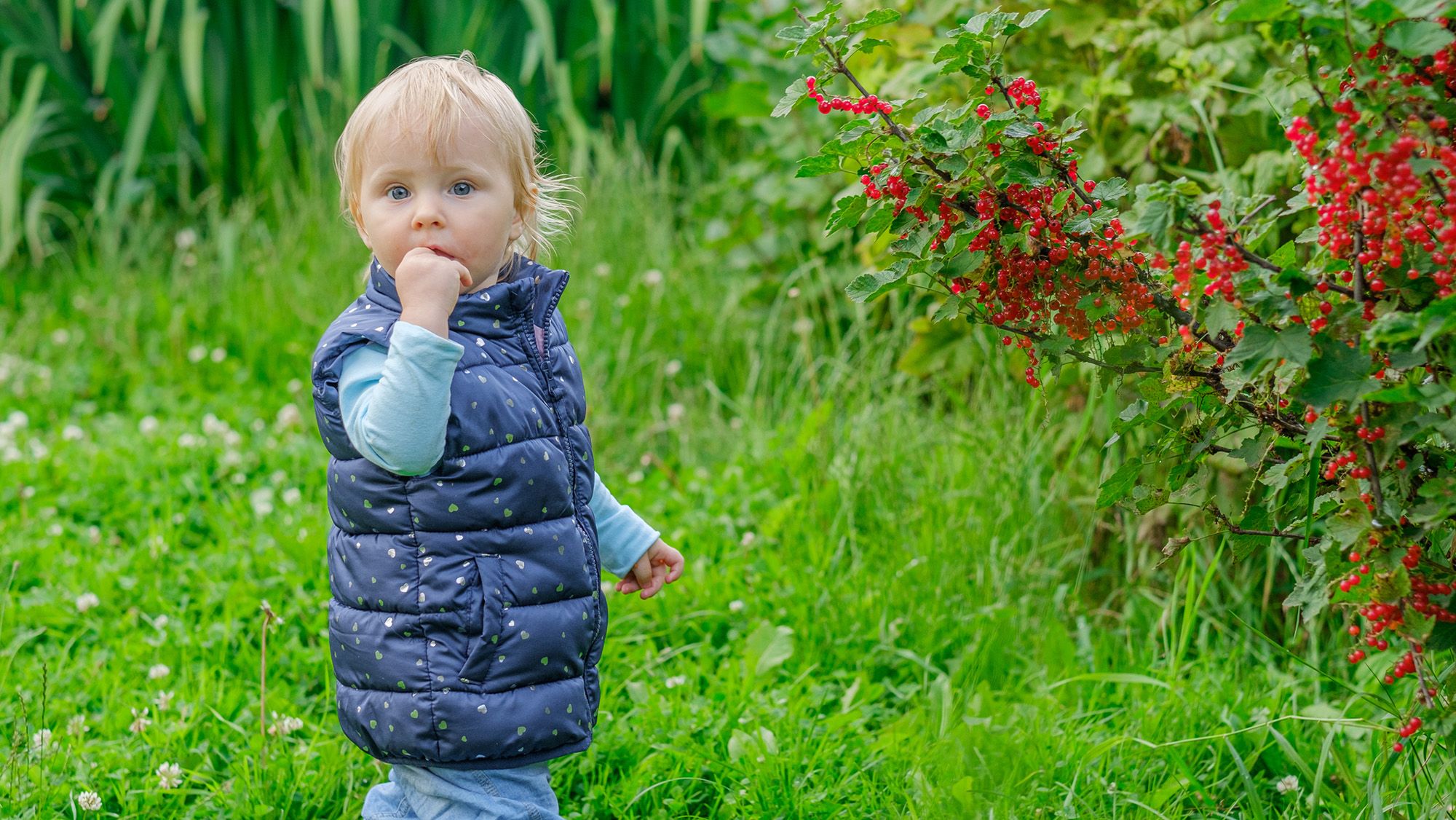
If a child who once had pale blond hair seems to be turning brunette, it is not a parent's imagination. Some children begin life with platinum blond locks and gradually watch them deepen into light brown, dark brown or even black. The transformation can be gradual and is often most obvious before puberty. According to Live Science, the shift reflects an intricate mix of genetics, pigment-producing cells and hormones that become more influential later in childhood.
Desmond Tobin, a professor of dermatological science at University College Dublin, told Live Science that the phenomenon depends on a person's genetic inheritance. Yet scientists do not have a complete explanation for why some blond children's hair darkens while others remain blond throughout life. The field understands many of the genes involved in hair color, but the precise combination of factors that tips a follicle toward darker pigment is still an active area of research.
The Biology of Hair Color: Melanin and Melanocytes
Hair color comes from melanin, a pigment produced by specialized cells called melanocytes that reside in hair follicles. These cells act like tiny pigment factories. The type and amount of melanin they produce largely determine the color of the hair that grows from each follicle.
There are two main forms of melanin in hair. Eumelanin creates brown and black shades, while pheomelanin contributes yellow and red tones. In general, hair with more eumelanin appears darker. Blond hair typically contains less eumelanin and a different overall pigment mix than brown or black hair.
- Eumelanin: the pigment responsible for brown and black hair shades.
- Pheomelanin: the pigment that adds yellow and red tones.
- Melanocytes: specialized cells in hair follicles that produce melanin.
- Follicle activity: not fixed for life; pigment production can change as a child develops.
Because hair follicles are not static, the biological signals that control pigment production can shift over time. A follicle that once produced mostly light pigment may later ramp up eumelanin output, causing new hair to grow in darker.

How Hormones Influence Hair Pigment
Hormones are one of the most important influences on hair color after early childhood. During pregnancy, for example, high levels of estrogen and progesterone can encourage hair darkening by promoting greater eumelanin production. This shows that hormonal signals can directly affect how much pigment melanocytes make.
The same principle appears to apply during puberty. As the body's hormone profile changes, estrogens and androgens can stimulate increased pigment production. That does not mean every blond child will become dark-haired, but it helps explain why so many experience a noticeable shift during the preteen and early teen years.
Puberty: The Most Noticeable Turning Point
For many blond children, the clearest darkening occurs around puberty, typically between about 10 and 13 years old, according to Tobin. During this window, the body undergoes sweeping hormonal changes. Estrogens and androgens rise, and these signals can push hair follicles to produce more eumelanin.
The result is often gradual rather than sudden. A child may start with very light blond hair, then develop darker roots or a deeper overall shade as new hair grows in. Some children end up with light brown hair, while others move toward dark brown or black. The exact outcome depends on the individual's genetic makeup and how sensitive their follicles are to hormonal cues.
Pregnancy offers a useful parallel. When estrogen and progesterone levels are high, hair can darken because more eumelanin is produced. This suggests that the hormonal environment can temporarily or permanently alter the pigment output of hair follicles.

Why Some Blonds Stay Blond
Not every blond child turns brunette. Some retain light hair well into adulthood, even as their peers darken. Scientists are still investigating why this variation exists. The leading explanation involves genetic inheritance: the genes that shape hair color likely determine how a person's melanocytes respond to hormonal and developmental signals.
Hair color is not controlled by a single gene. Instead, it emerges from the combined effects of many genes, along with the activity of pigment-producing cells. Two children could both start out blond, yet carry different genetic instructions that lead their follicles to behave differently as they grow. One child's melanocytes may increase eumelanin production during puberty, while another's may continue producing mostly light pigment.
This complexity helps explain the wide range of outcomes. A child might become only slightly darker, shift to sandy brown, or end up with hair that looks nearly black. The process is gradual and reflects new hair growth rather than a sudden change in the hair already on the head.
What Scientists Still Want to Know
Researchers have identified the main pigments and cell types involved in hair color, and they understand many of the genes that contribute to it. But the precise trigger that causes some blond children's hair to darken remains unresolved. Why do some children's locks stay blond for life while others deepen during puberty?
The answer likely lies in the interaction among genes, melanocytes, hormones and developmental timing. Studying these factors could shed light not only on hair color but also on how pigmentation works more broadly. For now, the phenomenon appears to be a common developmental change.
The childhood darkening described here is a normal developmental pattern. It is driven by biology rather than by a single external cause, and it happens as new hair grows in with a different pigment profile.

Key Takeaways
Blond hair darkening with age is common and rooted in biology. Melanocytes in hair follicles produce melanin, the pigment that gives hair its color. Eumelanin creates brown and black shades, while pheomelanin contributes yellow and red tones. More eumelanin generally means darker hair.
Hormones can influence melanin output. During pregnancy, high estrogen and progesterone can encourage darkening. Around puberty, typically between ages 10 and 13, changing levels of estrogens and androgens can stimulate increased pigment production. Genetics determine how each person's follicles respond, which is why some blonds darken and others do not.
If a blond preteen appears to be turning brunette, the change is real and usually expected. It is the visible result of a complex biological choreography involving genes, pigment cells and hormones, one that scientists are still working to fully map.
This article is based on reporting by Live Science. Read the original article.
Originally published on livescience.com