A model of chemistry during digestion
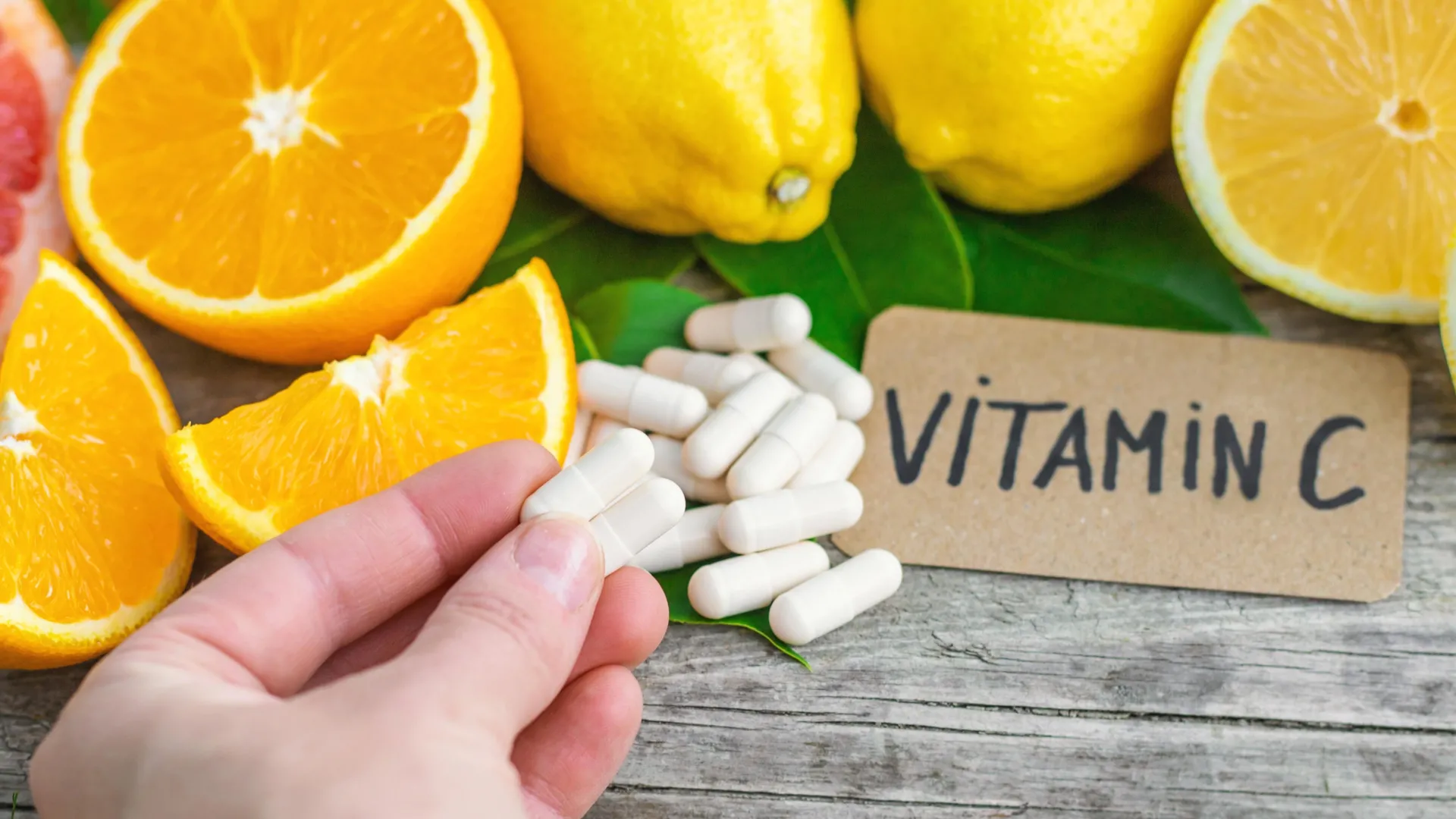
Vitamin C consumed alongside foods containing nitrates and nitrites may interfere with chemical reactions in the stomach that can produce compounds suspected of contributing to cancer development, according to new mathematical modeling from the University of Waterloo.
The research does not establish that a vitamin C supplement prevents cancer, nor does it provide clinical guidance on how much vitamin C a person should take. Its contribution is narrower and potentially important: it models how vitamin C may affect nitrosation, a reaction in the digestive system that can form potentially harmful compounds after nitrates and nitrites are consumed.
The result could help explain why the scientific picture around nitrates, nitrites and cancer risk has been inconsistent. It also illustrates why a food’s health effects cannot always be inferred from one chemical component in isolation. What else is consumed at the same time, and how those substances interact during digestion, may matter.
Nitrates and nitrites have a complicated role
Nitrates and nitrites are found in cured meats such as bacon and salami. They can also be present in fruits and vegetables grown in soil or water affected by pollution. Their dietary presence has increased in North American diets over several decades, according to the report on the study.
These compounds are not presented as uniformly harmful. They contribute to important functions in the brain and cardiovascular system. But once in the stomach, they can also take part in reactions that raise concern. One such reaction is nitrosation, which can produce substances researchers suspect may be linked to cancer development.
Understanding when those reactions happen and what can limit them has been a longstanding research problem. Studies examining links between cancer and nitrate- or nitrite-containing compounds have produced conflicting results. The Waterloo team set out to investigate whether dietary vitamin C could be part of the explanation for those differing findings.

Following compounds through the body
The researchers built a mathematical model that simulated the movement of nitrates and nitrites through several connected parts of the body. The model included the salivary glands, stomach, small intestine and plasma, the liquid portion of blood. It was designed to represent how the compounds travel and undergo chemical changes rather than to test an intervention in people.
In the simulations, vitamin C consumed with nitrates and nitrites interfered with the formation of potentially harmful compounds. The model therefore suggests a mechanism by which vitamin C could reduce nitrosation under the conditions represented in the analysis.
Dr. Gordon McNicol, a postdoctoral researcher in applied mathematics and the study’s first author, said dietary vitamin C may help explain inconsistencies in the broader research literature. The key point is not simply whether a meal includes nitrates or nitrites. It is also whether the digestive environment contains compounds that alter the reactions those substances can undergo.
Why food context may matter
The modeling result offers a possible explanation for why foods containing nitrates do not necessarily have the same implications. Leafy vegetables, for example, can contain nitrates while also providing vitamin C. Cured meats can contain nitrates and nitrites but may not bring the same nutritional context.
That comparison should not be overstated. The study described a modeled chemical process, not a direct comparison of cancer outcomes among people eating different foods. It does, however, reinforce the idea that dietary effects can depend on combinations of compounds rather than on a single ingredient considered alone.
The finding also points to a practical research question: whether timing matters. The report says vitamin C taken after meals could reduce harmful reactions, but the work is based on a mathematical model. Clinical research would be needed to determine how well the modeled effect translates to real meals, diverse diets and long-term health outcomes.

What the study does and does not show
The work supports further investigation of vitamin C as a factor in digestive chemistry. It does not demonstrate that people can offset cancer risk from a particular food by taking vitamin C. Cancer risk involves many factors, and the source material does not provide evidence for a supplement regimen or for a quantified reduction in risk.
Likewise, the model does not turn nitrates and nitrites into a simple dietary verdict. Their roles in the body are mixed, and the research focuses on a specific reaction pathway. The value of the study is in making that pathway more explicit and in identifying a plausible variable that could influence it.
Next steps
Mathematical models can help researchers test how multiple biological systems and chemical processes might interact before or alongside more difficult experiments. Here, the researchers linked processes across the salivary glands, stomach, intestine and blood plasma to explore a question that is hard to answer by looking at one organ or one compound alone.
The next challenge is validation. Studies in people and additional laboratory work would be needed to test the model’s predictions, determine the relevant dietary conditions and assess whether reducing nitrosation changes health outcomes. For now, the research adds a mechanistic hypothesis to a long-running discussion: vitamin C may influence the chemistry that follows a meal containing nitrates or nitrites.
That hypothesis is significant because it shifts attention from a single potentially concerning compound to the full dietary context in which it is consumed. It may ultimately help explain why similar exposures have not always produced similar conclusions in previous research.
This article is based on reporting by Science Daily. Read the original article.

Originally published on sciencedaily.com