An experiment in sequencing turned into a challenge to textbook biology
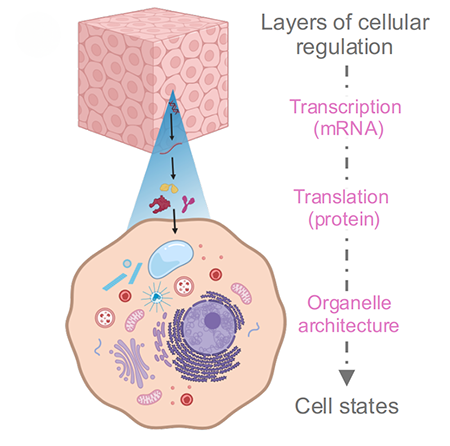
Researchers working with a new single-cell DNA sequencing pipeline expected a technical test. Instead, they found a microscopic organism that appears to use the genetic code in a way not previously reported. The organism, a freshwater protist collected from a pond in Oxford University Parks, seems to reassign two codons normally used as stop signals, altering the instructions that govern how proteins are built.
The finding, reported in a PLOS Genetics study and summarized by the Earlham Institute, matters because the genetic code is often taught as near-universal. In most organisms, specific codons mark where a protein-building sequence should end. These signals are part of the core translation machinery of life, helping cells convert genetic information into functional proteins. Exceptions have been known, but they are rare enough that each new one reshapes how scientists think about the code’s flexibility.
In this case, the organism was identified as Oligohymenophorea sp. PL0344, described in the report as a previously unknown species. According to the study summary, two codons normally associated with gene stopping signals had been reassigned to different amino acids in a combination the researchers said had not been reported before.
Why this discovery was so unexpected
The research team was not initially searching for a radical new twist in molecular biology. The practical goal was to test a sequencing pipeline capable of working with extremely small amounts of DNA, including DNA from a single cell. That kind of technical development is increasingly important because many microorganisms are hard to culture, isolate, or study in large quantities.
Instead of simply validating the method, the team appears to have stumbled into a major biological exception. Dr. Jamie McGowan, a postdoctoral scientist at the Earlham Institute, said it was essentially luck that this particular protist was chosen. The result highlights both the unpredictability of exploratory science and the sheer volume of biological diversity that remains poorly understood, especially among microscopic eukaryotes.
Protists are a particularly fertile source of surprises. As the source text notes, the category is extraordinarily broad and difficult to define neatly. It includes a wide range of eukaryotic organisms that are not animals, plants, or fungi, from microscopic single-celled life to much larger forms such as kelp and slime molds. Their diversity means scientists should be careful about assuming one genetic or physiological rule applies across the whole group.

The genetic code may be more flexible than assumed
The deeper significance of the finding is conceptual. Biology often presents the genetic code as one of life’s most stable shared systems. While local deviations have been documented in some organisms and organelles, the underlying framework remains one of the most universal features of cellular life. A new form of codon reassignment therefore does more than add an oddity to the catalog. It broadens the space of what scientists consider biologically possible.
If two stop codons have indeed been reassigned in this protist, then the process of translation in that lineage has evolved in a more radical direction than many standard models would predict. That does not overthrow the genetic code as a concept, but it does remind researchers that “universal” in biology often means “nearly universal, with important exceptions.” Those exceptions can be especially informative because they reveal where evolutionary systems are more malleable than expected.
The discovery may also shape future genome interpretation. When researchers sequence unfamiliar organisms, they often rely on default assumptions about how codons map onto amino acids and stop signals. If certain lineages use different decoding rules, those assumptions can obscure or distort what the genome is actually doing. Better awareness of alternative codes could improve annotation, evolutionary analysis, and our understanding of obscure branches of life.
A reminder of how much remains unknown
One of the strongest themes in the source material is scientific humility. The discovery emerged not from a highly targeted hunt for alternative genetic codes, but from a practical methods exercise involving a single protist from freshwater. That alone is striking. It suggests that major biological surprises may still be hiding in common environments, waiting to be revealed by better tools.
The work also reinforces the value of studying understudied organisms. Much of molecular biology has been built on a relatively small set of model systems. Those models are powerful, but they do not capture the full evolutionary creativity of eukaryotic life. Protists, precisely because they are so varied and often neglected, can expose assumptions that seem secure when viewed only through plants, animals, fungi, and a few laboratory favorites.
Single-cell sequencing technologies may accelerate that process. As methods improve, researchers can probe organisms that were previously too difficult to analyze, either because they are rare, unculturable, or available only in tiny amounts. Each technical gain increases the odds of finding unusual biology, and this result is a vivid example of that dynamic.

Why the finding matters beyond one pond organism
The immediate discovery concerns a specific protist, but its implications are broader. The genetic code sits at the center of biotechnology, evolutionary biology, and the conceptual architecture of life sciences. Every credible new exception informs how scientists think about evolution’s ability to rewire basic mechanisms.
That does not mean the biological rulebook has collapsed. It means the margins of the rulebook may be more dynamic than standard teaching suggests. For researchers, that is not a nuisance. It is an opportunity. Exceptions help reveal the constraints and freedoms built into life’s molecular systems, which in turn can illuminate how those systems evolved in the first place.
The protist from Oxford University Parks may therefore become more than a curiosity. It could become a case study in how improved methods, accidental discovery, and neglected organisms combine to reshape fundamental science. When a routine sequencing test ends up exposing a new exception to one of biology’s deepest conventions, the lesson is hard to miss: nature still has room to surprise us, even in a drop of pond water.
This article is based on reporting by Science Daily. Read the original article.
Originally published on sciencedaily.com