A hidden layer of reef biodiversity comes into focus
Scientists studying coral reefs across the Pacific have uncovered a striking level of microbial diversity that had gone largely unseen, along with evidence that these microbes may be an important source of bioactive compounds. The work, reported by researchers involved with the Tara Pacific consortium and highlighted by the University of Galway, suggests reefs contain a far deeper biochemical inventory than visible marine life alone would imply.
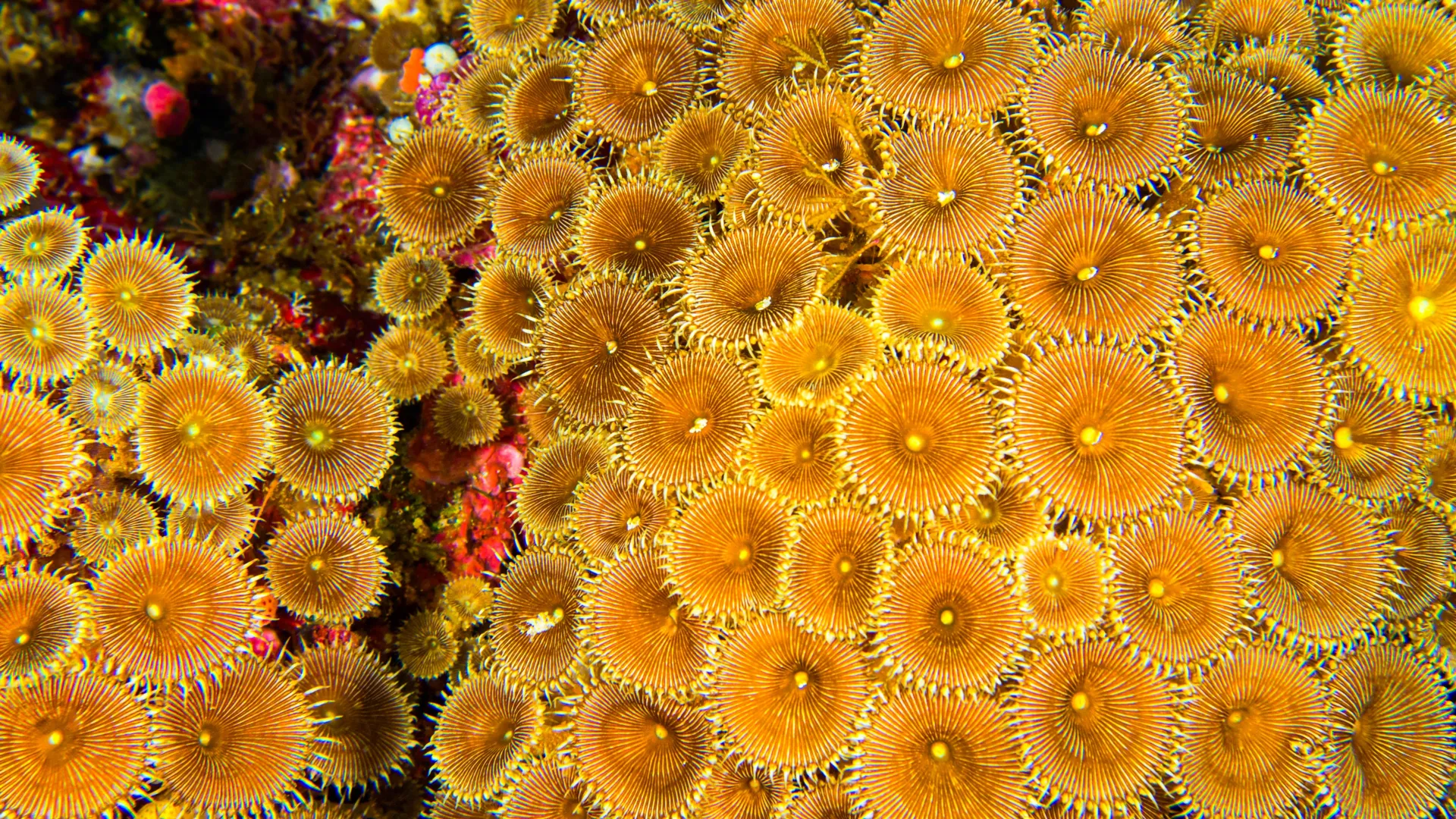
The study examined microbiome samples from 99 coral reefs across 32 Pacific islands. From those samples, researchers reconstructed the genomes of 645 microbial species, and more than 99% had never previously been genetically described. That alone makes the work a major biodiversity result. But the scientific importance goes further: many of these coral-associated microbes appear to carry the genetic machinery for producing natural compounds with possible medical or industrial value.
Each coral species hosts its own microbial partners
One of the clearest findings is that coral species do not simply share a generic reef microbiome. Instead, each host supports its own specialized microbial community. That means coral reefs are not just ecological structures built by animals and algae. They are also elaborate microbial habitats whose chemistry may vary from host to host in ways scientists are only beginning to map.
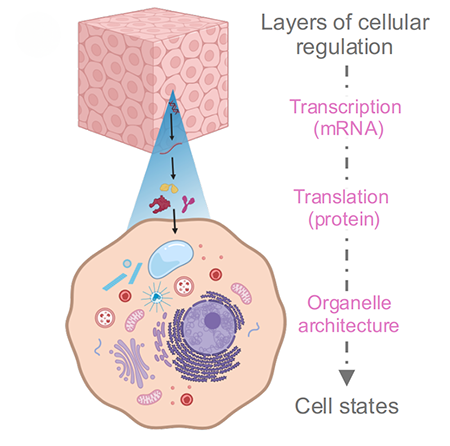
This matters because microbes are often prolific chemists. Many of the most useful compounds in medicine and biotechnology have originated from microbial metabolism or from efforts to mimic it. In the reef system studied here, the associated bacteria were found to contain a broader range of biosynthetic gene clusters than has been recorded elsewhere in the ocean, according to the source text. Those clusters are the genetic instructions organisms use to make natural compounds.
Why the chemistry stands out
- The microbial species are largely new to genetic description.
- Their association with specific coral hosts suggests specialized ecological roles.
- The identified biosynthetic gene clusters point to a wide capacity for producing biologically active molecules.

From biodiversity finding to biomedical possibility
It is important not to overstate what the study proves. The researchers did not announce a new drug. What they identified is a molecular prospecting map: a set of previously unknown organisms and gene pathways that could contain useful compounds for future drug discovery or biotechnology development. That is still a significant result, because early-stage discovery often depends on finding unusual biological systems where novel chemistry is likely to exist.
The reef microbiome now looks like one of those systems. If the underlying genes can be linked to specific metabolites and then tested, they may yield compounds relevant to antimicrobial research, anti-inflammatory work, or other biomedical applications. Even if only a small fraction proves useful, the scale of newly characterized diversity suggests the search space is large.
The study also exposes a familiar imbalance in science: visible biodiversity has been cataloged far more thoroughly than microbial biodiversity. Coral reefs are often described as the rainforests of the sea because of the abundance of fish and invertebrate life they support. This research adds another layer to that analogy by showing that the reefs may also function as densely packed microbial innovation zones.
Conservation takes on a new dimension
The biomedical angle sharpens the stakes of coral decline. Reef conservation is usually defended on ecological, climatic, or economic grounds such as fisheries and tourism. Those arguments remain strong, but this work adds a less obvious one: destroying reefs may also destroy biochemical possibilities before they are even identified.
Because so many of the microbial species in the study were previously unknown, the loss of reef habitats could erase entire branches of natural chemistry from scientific reach. That does not mean every coral microbe is a future therapy. It does mean the odds of finding rare and useful compounds fall when the habitats that generate them are degraded.
The broader implication is that conservation and discovery are not separate agendas. In ecosystems like coral reefs, protecting biodiversity may also protect future research options in medicine and industry. For policymakers and funders, that makes reef science harder to treat as a niche marine topic. It is also part of the long pipeline of innovation.

A frontier scientists have barely entered
The main achievement of the study is not simply that it found more microbes. It showed that coral reefs house a highly structured microbial world with remarkable genetic novelty and unusual biosynthetic potential. That combination makes reefs scientifically valuable in a way that is both fundamental and practical.
For now, the most defensible conclusion is that coral microbiomes represent a large, largely unexplored reservoir of chemistry. The next steps will depend on translating genomic clues into identified compounds and tested functions. But even before that work is done, the message is clear: one of the most promising molecular frontiers in the ocean may have been sitting inside coral reefs all along.
This article is based on reporting by Science Daily. Read the original article.
Originally published on sciencedaily.com