Cross-species gene study points to a common regeneration program
Scientists studying three very different animals have identified a shared set of genes linked to regeneration, a finding that could sharpen the long search for therapies that repair or even regrow complex tissues in humans. The work, described as a collaboration across axolotls, zebrafish, and mice, centers on a group of genes known as SP genes. According to the source text, disabling those genes disrupted proper bone regrowth in salamanders and mice, while a gene-therapy approach inspired by zebrafish biology partially restored regeneration in mice.
The result does not mean human limb regrowth is around the corner. It does, however, move the field away from a fragmented view in which each animal model is treated as an isolated case. Instead, the researchers argue that there may be a more universal genetic program underpinning regeneration across species. That is a meaningful shift because regenerative medicine has long struggled with a basic problem: some animals regrow complex structures with striking efficiency, while mammals show only limited repair capacity. Finding shared mechanisms helps turn that contrast into something testable.
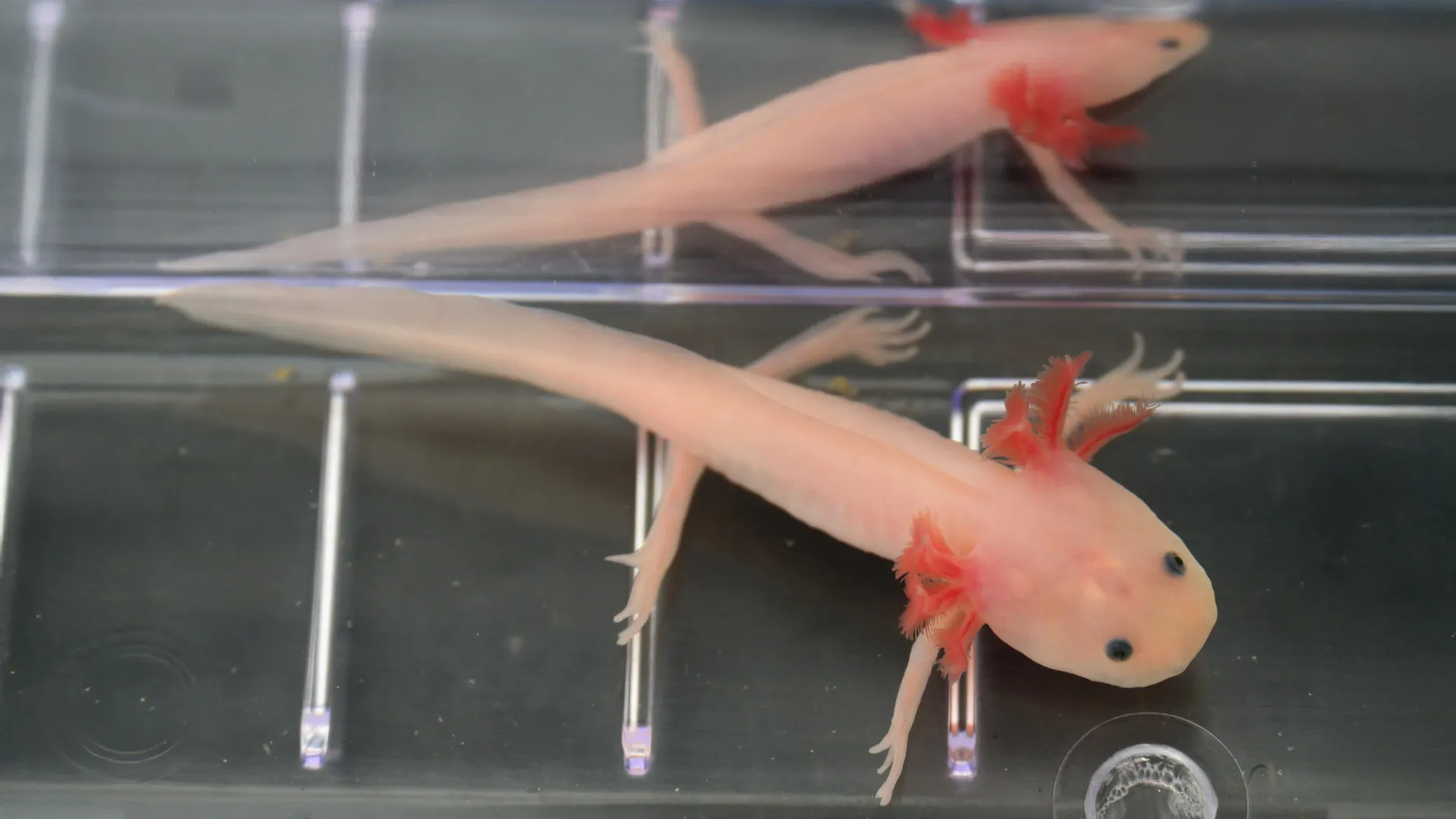
The study drew on the strengths of three organisms often used in regeneration research. Axolotls can regrow entire limbs and other tissues. Zebrafish are widely studied for fin regeneration and broader tissue repair. Mice, while much less capable of large-scale regrowth, offer an important bridge to mammalian biology. By comparing these systems, the researchers aimed to identify not merely what is unique to one species, but what persists across them.
Why SP genes stand out
The source material describes SP genes as central players in the regeneration process. In practical terms, that finding matters because it ties a complex biological outcome to a specific genetic program that can be manipulated experimentally. When the genes were disabled, proper bone regrowth stopped in salamanders and mice. That kind of loss-of-function evidence is often more persuasive than correlation alone, because it suggests the genes are not just present during regeneration but are required for it.
The researchers then took the next step by testing whether a therapy informed by zebrafish biology could recover part of that lost function in mice. The reported outcome was partial restoration of regeneration. That is a constrained but important result. Partial restoration is not full limb replacement, and the source does not support broader claims than that. But in regenerative medicine, incremental gains matter because they show the biological program can be shifted rather than merely observed.
The work also carries a translational logic. If shared regeneration genes can be identified across species, and if those programs can be nudged in mammals, then future therapies may aim to replace damaged tissue with living repair rather than rely entirely on prosthetics or static reconstruction. The study is still far from that endpoint, but it strengthens a path that has long been scientifically attractive and clinically difficult.
A large unmet need
The context helps explain why this line of research draws such attention. The source text cites more than 1 million amputations worldwide each year, driven by diabetes-related vascular disease, traumatic injury, infection, and cancer, with expectations that the burden will rise as populations age and diabetes becomes more common. For many patients, current treatment is centered on prosthetic solutions and rehabilitation rather than biological replacement of lost structures.
That gap has fueled decades of interest in regenerative medicine. The challenge is that regrowing a limb or digit is not simply a matter of closing a wound or stimulating bone. It requires coordinated reconstruction of bone, connective tissue, blood vessels, nerves, and patterning cues that tell tissues what to become and where to form. A shared genetic program does not solve all of those problems, but it offers a framework for understanding how regeneration is initiated and sustained.
The collaborative structure of the study is also notable. Rather than keeping salamander, fish, and mouse biology in separate silos, the researchers used the differences among those organisms to look for deeper commonalities. That comparative approach may prove increasingly valuable in a field where singular model systems can produce striking results that remain hard to translate.
What the findings do and do not show
The strongest supported claim is that SP genes appear to be important across multiple animal models of regeneration, and that altering them changes outcomes. The additional advance is that a zebrafish-inspired gene therapy partially restored regenerative ability in mice. Those are substantial findings because they combine discovery with intervention.
At the same time, caution is warranted. The source text frames the work as a major step toward future treatments, not as a near-term therapy for people. There is no claim here that human limbs can now be regrown, or that a clinically ready protocol exists. Any translation into medicine would require extensive validation, safety testing, and a much clearer understanding of how such gene programs operate in human tissues.
Even so, the study offers something the field badly needs: a concrete basis for believing that regeneration is governed by shared biological instructions rather than by species-specific exceptions alone. If that idea continues to hold up, it could help redirect research toward interventions that activate latent repair capacities in mammals. For now, the advance is best understood as a strong mechanistic clue, backed by cross-species evidence and an initial therapeutic demonstration in mice.
- Researchers identified a shared group of SP genes involved in regeneration across axolotls, zebrafish, and mice.
- Disabling those genes stopped proper bone regrowth in salamanders and mice.
- A zebrafish-inspired gene therapy partially restored regeneration in mice, suggesting a new direction for regenerative medicine.
This article is based on reporting by Science Daily. Read the original article.
Originally published on sciencedaily.com