Brazil's Groundwater Crisis
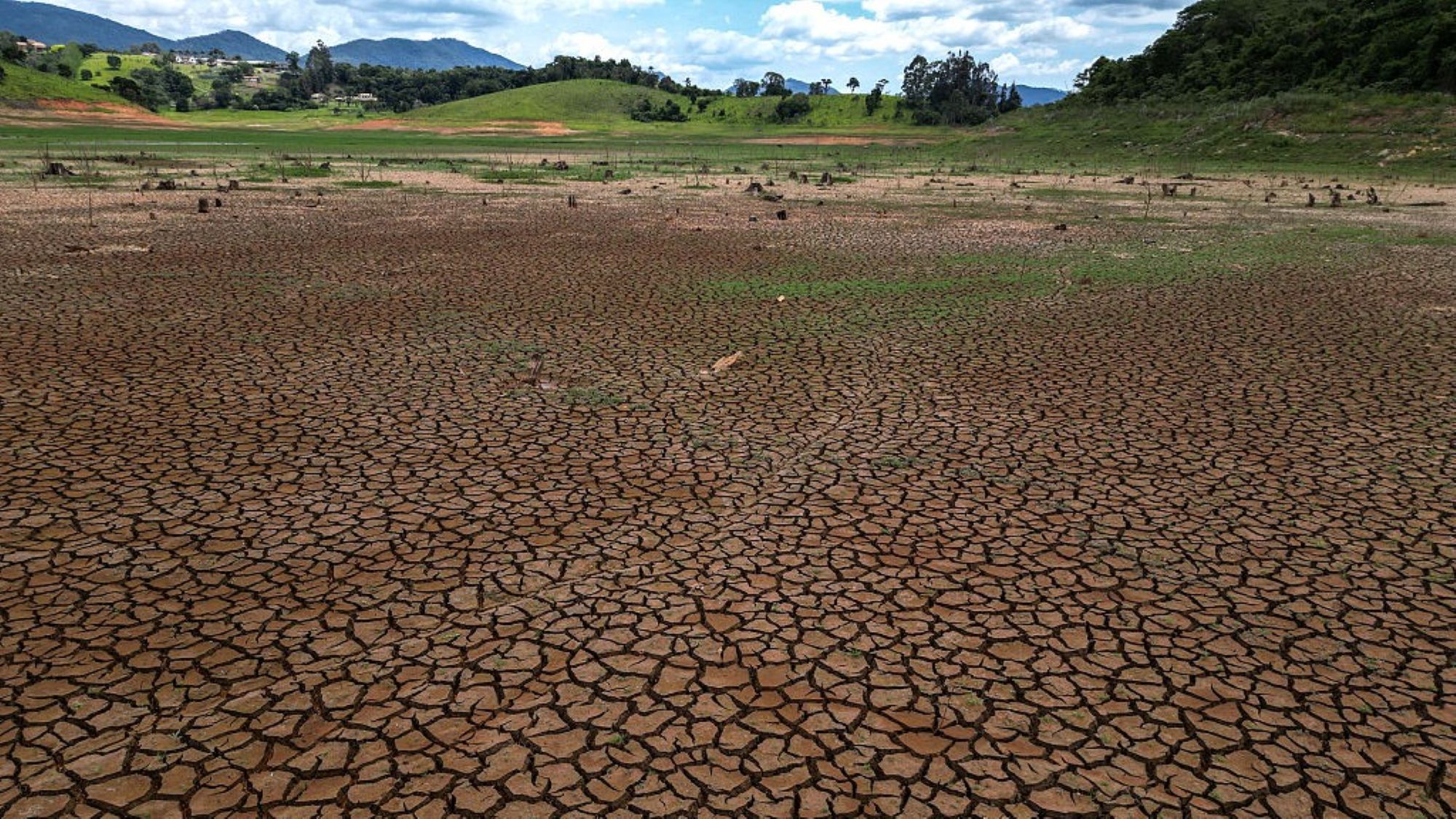
Brazil, renowned for holding the world's largest renewable freshwater reserves, is facing a silent crisis beneath its surface. New research indicates that some of the country's most critical aquifers, which supply 55% of Brazil's water, have shrunk dramatically over the past 25 years. This depletion, driven by drought, climate change-induced evaporation, and excessive pumping, could lead to irreversible damage. The findings, published by a team led by NASA scientist Augusto Getirana, highlight a stark geographical contrast: while the Amazon Basin thrives, the agricultural heartlands are running dry.
The Role of Aquifers in Brazil's Water Supply
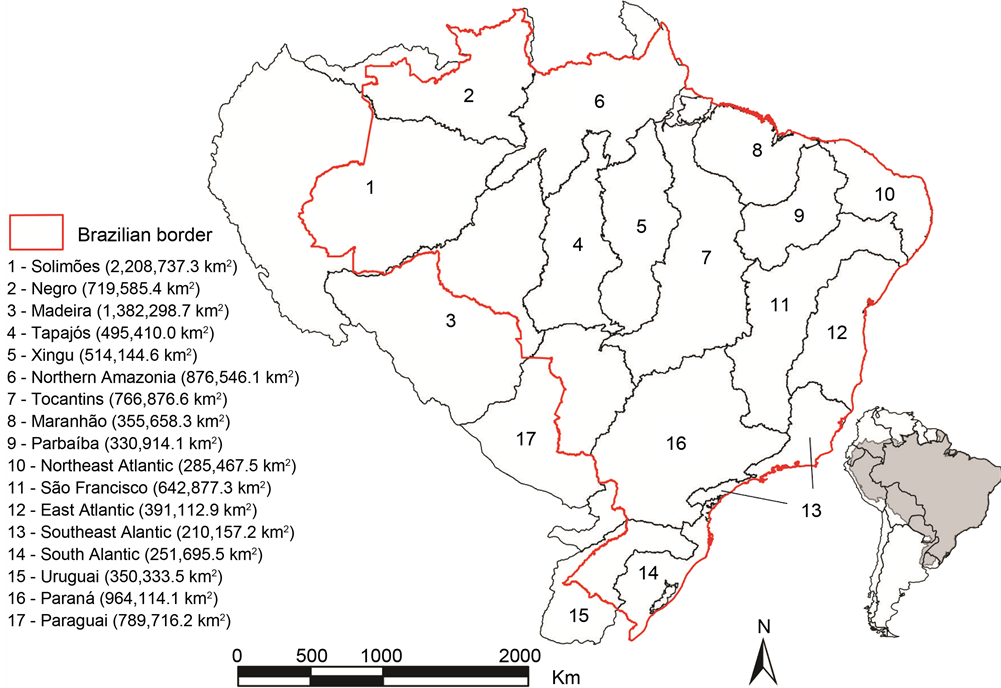
Aquifers are underground layers of water-bearing rock that provide a vital buffer against seasonal rainfall variability. In Brazil, they are the backbone of water security, supplying drinking water to millions and irrigation for vast agricultural operations. The Guarani Aquifer, one of the world's largest, spans parts of Brazil, Argentina, Paraguay, and Uruguay, while the Alter do Chão and Cabeça de Boi aquifers are crucial for the Amazon region. However, the new study reveals that these reserves are being depleted faster than they can recharge, threatening the very systems that sustain Brazil's economy and population.
Climate Change and Human Pressure
The study attributes the aquifer decline to a combination of factors. Prolonged droughts, exacerbated by climate change, have reduced rainfall and increased evaporation rates. Simultaneously, growing demand for water for agriculture, industry, and domestic use has intensified pumping. The result is a net loss of groundwater, with some aquifers showing alarming declines. Getirana and his colleagues used AI models to fill gaps in Brazil's sparse monitoring network, revealing the true extent of the crisis. Their findings suggest that if current trends persist, the damage could become irreversible.
Global Food Security at Risk
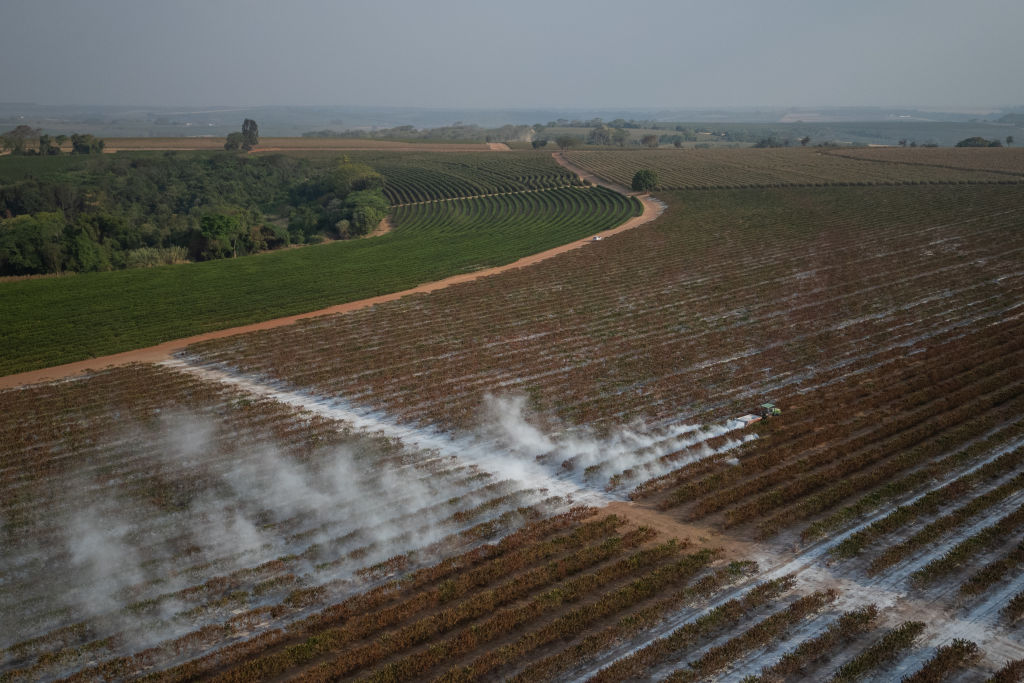
Brazil is a global agricultural powerhouse, producing the majority of the world's soybeans, sugarcane, oranges, and coffee, as well as significant shares of cotton and corn. These crops are grown predominantly in regions overlying the most depleted aquifers. As groundwater becomes scarcer, irrigation costs rise, and yields may eventually decline, threatening Brazil's ability to feed the world. The ripple effects would be felt globally, particularly in countries like the U.S. that rely on Brazilian imports. "Brazil is one of the world's major breadbaskets, so its water security has consequences well beyond the country itself," Getirana warned.

Hydroelectric Power Under Threat
Beyond agriculture, the depleted aquifers pose a significant risk to Brazil's energy sector. Many of the country's rivers, which feed hydroelectric dams, are sustained by groundwater discharge. As aquifers dry up, river flows could diminish, reducing the capacity of hydroelectric plants that provide a substantial portion of Brazil's electricity. This could force the country to fall back on fossil fuels like coal or biomass, undermining its climate commitments and increasing greenhouse gas emissions. The energy crisis would further strain an economy already grappling with water scarcity.
Monitoring Gaps and AI Solutions
One of the challenges in assessing Brazil's groundwater is the lack of monitoring wells. Compared to the U.S. and India, which have thousands of measurement sites, Brazil's network is extremely sparse. To overcome this, the research team employed AI models to interpolate data and estimate groundwater levels across the country. This innovative approach provides a more comprehensive picture of the crisis, but it also underscores the need for better monitoring infrastructure. Without accurate data, policymakers cannot make informed decisions to mitigate the problem.

What Does the Future Hold?
While the immediate impact on agricultural production may be limited over the next decade or two, the long-term outlook is concerning. If groundwater depletion continues, Brazil could face severe water shortages, affecting not only agriculture but also drinking water supplies and industrial operations. The study's authors emphasize that proactive measures are essential to prevent a full-blown crisis. These could include improved water management practices, investment in sustainable irrigation technologies, and policies to reduce water waste.
Global Implications and Call to Action
The findings serve as a wake-up call for the international community. Brazil's water crisis is not an isolated issue; it has the potential to disrupt global food and energy markets. As climate change intensifies, similar challenges may emerge in other regions, highlighting the need for global cooperation on water sustainability. The study urges governments, businesses, and individuals to recognize the value of groundwater and take steps to protect it. "If this is the new normal, then we are in very deep trouble," Getirana said, underscoring the urgency of the situation.
This article is based on reporting by Live Science. Read the original article.
Originally published on livescience.com