A vitamin B5 derivative draws attention in psoriasis research
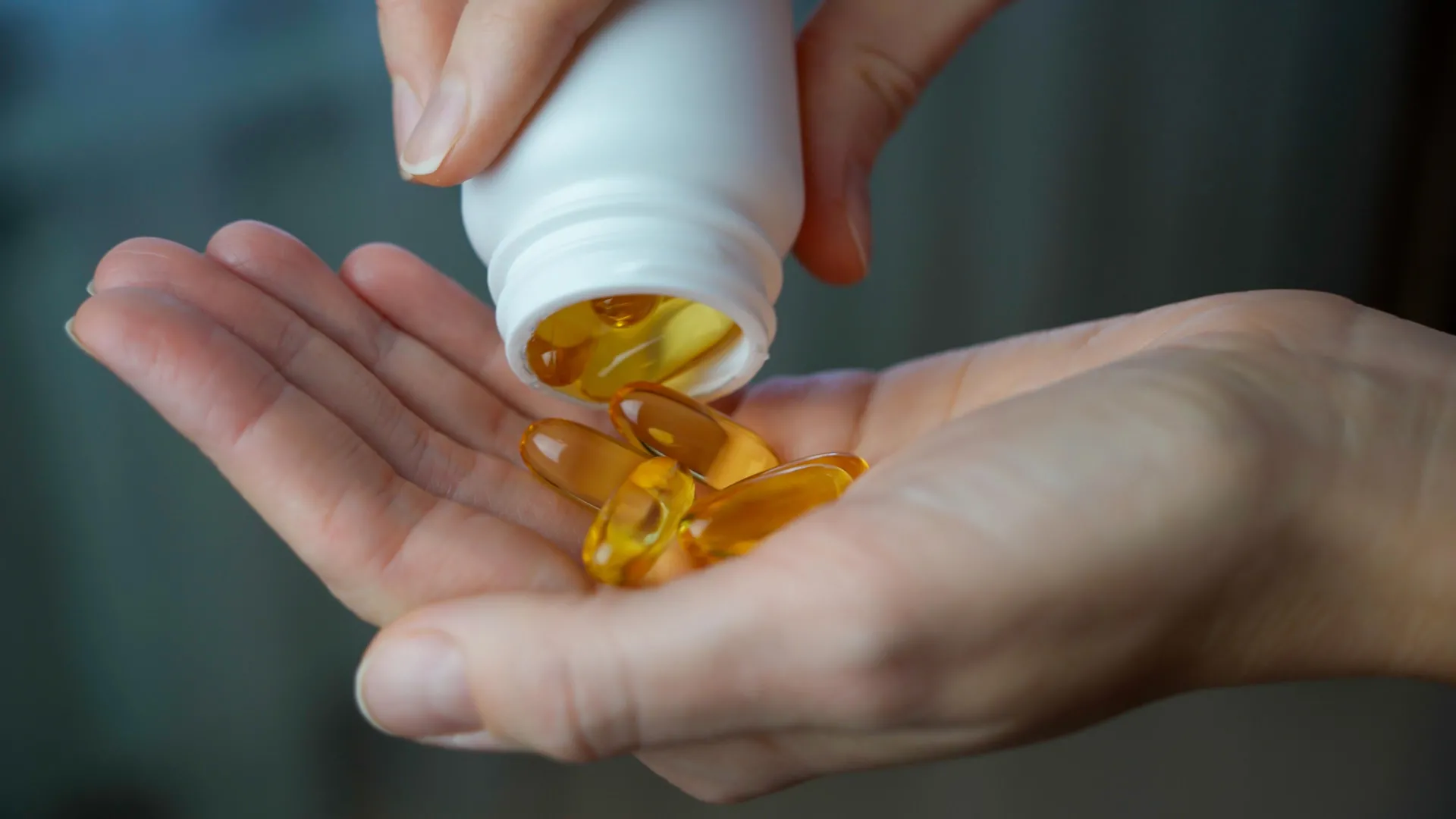
Pantethine, a widely available derivative of vitamin B5, may offer a new way to curb the immune overactivity behind psoriasis, according to research published in the Journal of Experimental Medicine. The study found that the compound prevented psoriasis-like disease in mice and was associated with improved symptoms in a small human clinical trial.
The findings are preliminary and do not establish pantethine as a replacement for approved psoriasis treatments. But they point to an unexpected target for autoimmune inflammation: cholesterol-related metabolism inside immune cells.
How immune cells can sustain inflammation
Psoriasis is driven by an immune system response that becomes persistently overactive, producing inflammation and the characteristic skin symptoms of the disease. The new study focused on dendritic cells, which help coordinate immune defenses by presenting antigens to T cells and releasing signals that recruit other immune cells.
Those functions are essential during infection, but excessive dendritic-cell activity can help maintain autoimmune inflammation. The researchers examined whether metabolic pathways could change that behavior. Their work indicates that pantethine can calm the relevant immune activity by interfering with a cholesterol-production process linked to inflammatory signaling.

Results in animals and an early human test
In mouse experiments, pantethine prevented the development of psoriasis. The researchers also reported promising results from a small clinical trial in people, suggesting that the laboratory findings may have relevance beyond animal models.
That human evidence is encouraging but limited. Small studies are designed to identify early signals, not to provide the level of confirmation needed to establish safety, dosing, durability of benefit or how a treatment compares with standard care. Larger, controlled clinical trials will be needed before the supplement could be considered a proven psoriasis therapy.
Why the cholesterol link matters
The work adds to evidence that immune cells are shaped not only by the signals they receive from pathogens and surrounding tissues, but also by how they process energy and cellular building blocks. Cholesterol is commonly discussed in the context of cardiovascular health, yet the study highlights its role in regulating immune-cell behavior.
By connecting cholesterol production with the activation of dendritic cells, the researchers suggest a potential route for treating inflammatory disease through metabolism. That could be relevant to psoriasis and, potentially, other autoimmune conditions in which overactive immune responses cause damage.

What comes next
The research team’s results make pantethine an interesting candidate for further study, particularly because it is a readily available nutritional compound. Availability, however, should not be confused with established clinical effectiveness. People with psoriasis should consult a qualified clinician before changing treatment or adding supplements, especially if they use prescription therapies.
The most important next step is rigorous clinical validation. Researchers will need to determine which patients, if any, benefit most; what dose and treatment duration are appropriate; whether the observed effects persist; and whether metabolic immune targeting can be safely combined with existing therapies.
For now, the study offers a notable early lead: a familiar vitamin B5 derivative may help reveal a less familiar biological lever for controlling autoimmune inflammation.
This article is based on reporting by Science Daily. Read the original article.
Originally published on sciencedaily.com