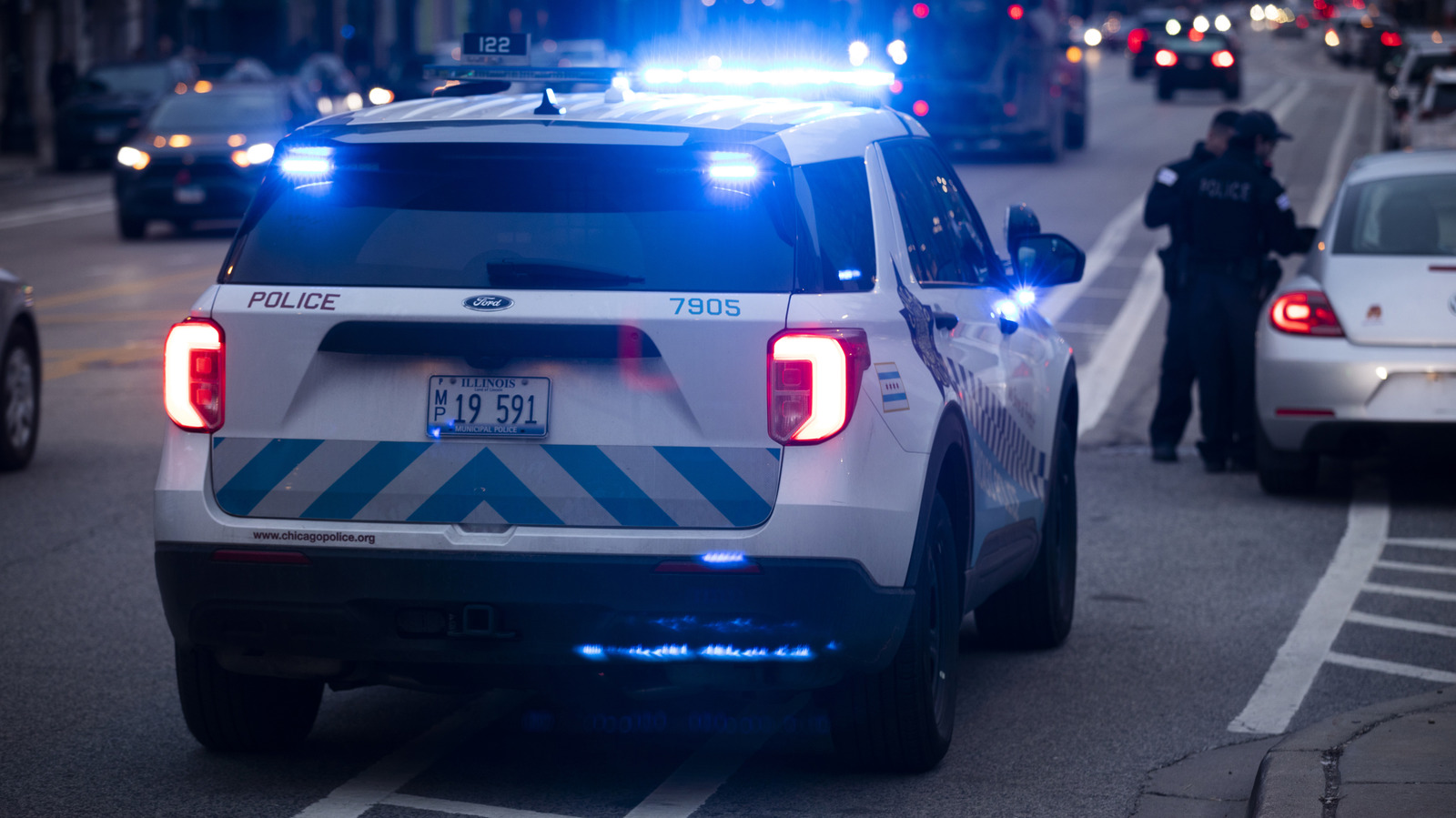
धोकादायक वेगाबाबत इलिनॉय अधिक हस्तक्षेपवादी दृष्टिकोनाची चाचणी घेत आहे
काही वारंवार वेगाने आणि बेदरकार वाहन चालवणाऱ्या गुन्हेगारांनी त्यांच्या वाहनांमध्ये गती-सीमित करणारी उपकरणे बसवावीत, असा कायदा इलिनॉयचे आमदार पुढे नेत आहेत. Jalopnik ने WAND चा हवाला देऊन दिलेल्या वृत्तानुसार, सुधारित House Bill 4948 ला House Judiciary Criminal Committee ने एकमताने मंजुरी दिली असून आता ते House floor कडे जात आहे.
हे विधेयक सर्वसामान्य लोकांऐवजी वाहनचालकांच्या एका विशिष्ट गटाला लक्ष्य करते. प्रस्तावानुसार, एका वर्षात दोन पात्र driving offenses मध्ये दोषी ठरलेल्या व्यक्तीला मान्यताप्राप्त speed limiter बसवावे लागेल. या उपायामुळे त्या व्यक्तीचा सामान्य ड्रायव्हर परवाना निलंबित होईल, मात्र त्या उपकरणासह सुसज्ज वाहनांसाठी मर्यादित असा विशेष परवाना घेण्याची पात्रता राहील.
अहवालात नमूद केलेल्या पात्र गुन्ह्यांमध्ये मर्यादेपेक्षा ताशी 25 मैलांपेक्षा जास्त वेगाने वाहन चालवणे आणि बेदरकार वाहन चालवणे यांचा समावेश आहे. या नियमाच्या कक्षेत येणाऱ्या चालकांनी 14 दिवसांच्या आत आपल्या स्वतःच्या कारवरही speed limiter बसवणे आवश्यक असेल.
नंतरच्या शिक्षेपासून प्रत्यक्ष वेळेतील प्रतिबंधाकडे
या विधेयकामागील तर्क सोपा आहे: जर काही उच्च-जोखीमचे चालक परवाना निलंबित झाल्यानंतरही वाहन चालवत राहिले, तर केवळ कागदोपत्री शिक्षा देण्यापेक्षा वाहन-आधारित वेगमर्यादा अधिक प्रभावी ठरू शकते. स्रोतामध्ये वर्णन केलेल्या कायद्यात स्पष्टपणे त्या संशोधनाचा उल्लेख आहे, ज्यानुसार निलंबित परवाना असलेल्या सुमारे 75% चालक वाहन चालवत राहतात. हा आकडा प्रस्तावाच्या कारणमीमांसेचा मुख्य आधार आहे. जर निलंबनाने धोकादायक चालकाला रस्त्यावरून विश्वसनीयपणे दूर केले नाही, तर आमदार तांत्रिक हस्तक्षेपाला पुढील उपलब्ध साधन मानू शकतात.
यामुळे वाहतूक अंमलबजावणीच्या तत्त्वज्ञानात बदल दिसून येतो. पारंपरिक अंमलबजावणी मुख्यतः प्रतिक्रियात्मक असते. चालक वेगाने चालवतो, पकडला जातो, आणि त्याला शिक्षा होते. Speed limiter निषिद्ध वर्तन आधीच होऊ नये म्हणून प्रतिबंधात्मक घटक जोडतात. त्यामुळे हा प्रस्ताव intelligent speed assistance आणि इतर वाहनांतील नियंत्रणांच्या व्यापक धोरणात्मक हालचालीचा भाग बनतो, ज्यांचा उद्देश उल्लंघन होण्यापूर्वीच अपघाताचा धोका कमी करणे हा आहे.
समर्थक हे विधेयक केवळ सुरक्षिततेचा उपाय म्हणून नव्हे, तर ज्यांना अन्यथा परवाना पूर्णतः गमवावा लागेल त्यांच्यासाठी मर्यादित हालचाल टिकवून ठेवण्याचा मार्ग म्हणूनही मांडत आहेत. विधेयकाच्या प्रायोजक राज्य प्रतिनिधी Martha Deuter यांनी स्रोतामध्ये उद्धृत केलेल्या टिप्पण्यांमध्ये सांगितले की अमेरिकेत आर्थिक गतिशीलतेसाठी कार केंद्रस्थानी आहे, आणि एक सक्रिय प्रणाली धोकादायक चालकांना जबाबदार धरत असतानाही त्यांना काम करण्यास आणि त्यांच्या समुदायांशी जोडलेले राहण्यास मदत करू शकते.

खर्च आणि समतेचे प्रश्न प्रस्तावातच अंतर्भूत आहेत
या विधेयकाभोवतीची सर्वात तातडीची समस्या म्हणजे खर्च. अहवालानुसार, प्रभावित चालकांना साधारणतः उपकरण आणि बसवणीचा खर्च, सुमारे $100 ते $250, तसेच speed-limiting सेवेसाठी subscription फी आणि राज्याच्या Intelligent Speed Assistance Permit Fee Fund साठी $30 मासिक भरणा करावा लागेल.
ही रचना कमी उत्पन्न असलेल्या चालकांसाठी धोरणाला जड करू शकते, विशेषतः जेव्हा ते आधीच वाहतूक अंमलबजावणीशी संबंधित दंड, न्यायालयीन खर्च किंवा इतर आर्थिक शिक्षांना सामोरे जात असतील. हा प्रश्न सोडवण्यासाठी कायदा गरिब म्हणून गणल्या गेलेल्या चालकांना उपकरण आणि सेवा विनामूल्य देण्याचा प्रयत्न करतो. अहवालात वर्णन केल्यानुसार, इलिनॉय indigence ची व्याख्या सार्वजनिक सहाय्याची स्थिती किंवा दारिद्र्यरेषेच्या 125% पेक्षा कमी उत्पन्न यावर करते.
ही सवलत असूनही, समतेवर चर्चा सुरूच राहण्याची शक्यता आहे. subscription आणि मासिक शुल्कांवर आधारित प्रणाली प्रत्यक्ष अंमलबजावणीविषयक प्रश्न निर्माण करते: पैसे कोण देणार, पेमेंट चुकले तर काय होणार, आणि आर्थिकदृष्ट्या अडचणीत असलेल्या चालकांना सुरक्षिततेशी असंबंधित कारणांमुळे अनुपालनापासून दूर ढकलले जात आहे का.
व्यापक speed-governor आदेशांपेक्षा अधिक मर्यादित लक्ष्य
इलिनॉयचा प्रस्ताव काही अंशी उल्लेखनीय आहे कारण तो रस्ते-सुरक्षितता चर्चांमध्ये कधी कधी मांडल्या जाणाऱ्या सार्वत्रिक speed-limiter आदेशांपेक्षा अधिक मर्यादित आहे. सर्व वाहनांमध्ये तंत्रज्ञान अनिवार्य करण्याऐवजी, हे विधेयक अल्प कालावधीत गंभीर गुन्हे वारंवार करणाऱ्या चालकांना लक्ष्य करते. ही मर्यादित व्याप्ती उपायाला राजकीयदृष्ट्या अधिक व्यवहार्य बनवू शकते, तसेच speed-limiting तंत्रज्ञान वारंवार होणारे धोकादायक वर्तन कमी करू शकते का हे तपासण्यासाठी आमदारांना एक चाचणी उदाहरणही देते.
यामुळे सार्वजनिक मांडणीही बदलते. सार्वत्रिक आदेशांमुळे सहसा देखरेख, चालक स्वायत्तता, आणि राज्याच्या अतिरेकावर व्यापक वाद निर्माण होतात. वारंवार गुन्हे करणाऱ्यांसाठी असलेली लक्ष्यित अट ही सिद्ध जोखमीवर केंद्रित हस्तक्षेप म्हणून बचाव करणे सोपे ठरते. त्यामुळे नागरी स्वातंत्र्यांबाबतची चिंता संपत नाही, पण धोरणाला अधिक विशिष्ट सुरक्षा आधार मिळतो.
त्याच वेळी, लक्ष्यित कार्यक्रम नजीर बनू शकतात. विधेयक मंजूर झाले आणि तंत्रज्ञान प्रभावी ठरले, तर इलिनॉय किंवा इतर ठिकाणी आमदार ही संकल्पना आणखी काही चालक किंवा गुन्ह्यांच्या वर्गांपर्यंत वाढवण्याचा विचार करू शकतात. म्हणूनच सुरुवातीला हा उपाय मर्यादित गटापुरता असला तरी वाहतूक धोरणाचे निरीक्षक त्याकडे बारकाईने पाहतील.

अंमलबजावणीत तंत्रज्ञान अधिक खोलवर जात आहे
इलिनॉयचे विधेयक वाहतूक धोरणातील व्यापक बदल दाखवते: सुरक्षिततेची अंमलबजावणी रस्त्याच्या कडेला निरीक्षण आणि नंतरच्या शिक्षांपासून अंतर्भूत तांत्रिक नियंत्रणांकडे जात आहे. Speed cameras, telematics, driver-assistance systems, आणि intelligent speed tools हे सर्व एकाच दिशेकडे निर्देश करतात. प्रश्न आता तंत्रज्ञान चालकाच्या वर्तनावर परिणाम करू शकते का हा नाही, तर आमदार त्याला किती दूरपर्यंत जाऊ द्यायला तयार आहेत हा आहे.
House Bill 4948 हा वाद निकाली काढत नाही. पण तो त्याला अधिक तीव्र करतो. प्रतिबंधित वाहनचालक हक्कांना अनिवार्य वाहन तंत्रज्ञानाशी जोडून, इलिनॉय हे तपासत आहे की वारंवार उच्च-जोखीम गुन्हे करणाऱ्या चालकांसाठी पूर्ण निलंबन आणि निर्बंधविरहित रस्त्याचा प्रवेश यांच्यात काही मधला मार्ग आहे का.
विधेयक काय करेल
- एका वर्षात दोन पात्र गुन्ह्यांमध्ये दोषी ठरलेल्या चालकांसाठी मान्यताप्राप्त speed limiter अनिवार्य करेल.
- मर्यादेपेक्षा ताशी 25 मैलांपेक्षा जास्त वेगाने वाहन चालवणे आणि बेदरकार वाहन चालवणे हे पात्र गुन्हे मानेल.
- मानक परवाना निलंबित करेल, तर उपकरण बसवलेल्या वाहनांसाठी विशेष परवानगी देईल.
- गरिब म्हणून वर्गीकृत चालकांना उपकरण विनामूल्य उपलब्ध करून देईल.
विधेयक पुढे गेले तर, इन-कार वेग-नियंत्रणाचा लक्षित वाहतूक-सुरक्षा हस्तक्षेप म्हणून वापर करणाऱ्या प्रमुख अमेरिकन चाचणी प्रकरणांपैकी इलिनॉय एक ठरू शकतो.
हा लेख Jalopnik च्या अहवालावर आधारित आहे. मूळ लेख वाचा.
Originally published on jalopnik.com