पिकअप ट्रकवरील वाद, नव्या दृष्टीकोनातून
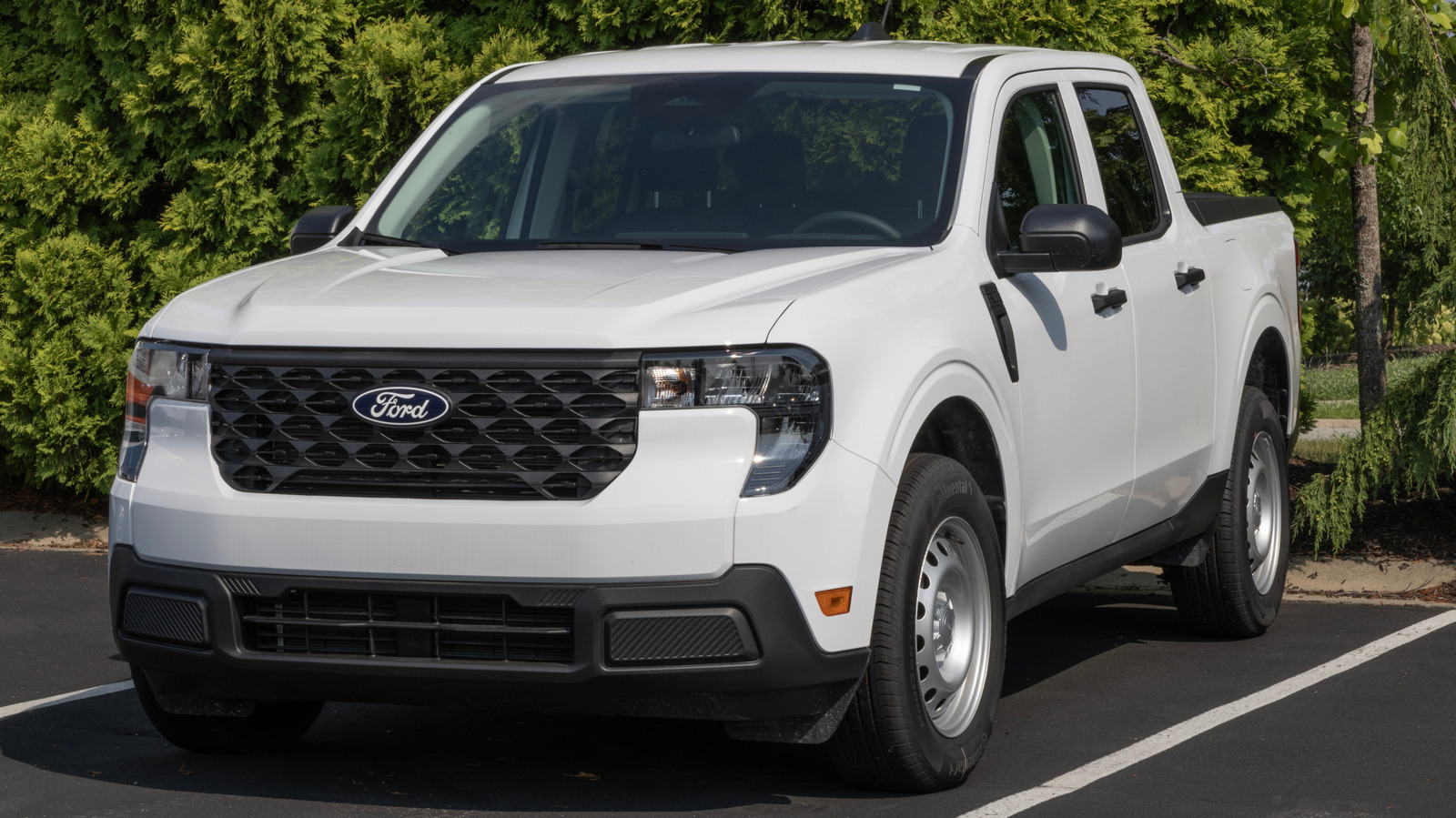
दशकानुदशके पिकअप ट्रकप्रेमींनी एक रेषा ओढून ठेवली आहे: खऱ्या ट्रकला body-on-frame बांधणी असायलाच हवी. त्या तर्कानुसार पाहिले, तर Ford Maverick हा अपवाद ठरतो. यात unibody डिझाइन वापरले आहे, आणि compact truck म्हणून तो सादर झाल्यापासून या निर्णयावर टीका आणि कौतुक दोन्ही झाले आहे. तरी Maverick पारंपरिक विचारसरणीतील लोकांना खूश करण्यासाठी बनवलेला नव्हता. Ford ने तो वेगळ्या खरेदीदारासाठी डिझाइन केला - शहरातील किंवा उपनगरातील असा चालक, ज्याने कदाचित कधीच ट्रक खरेदी करण्याचा विचार केला नसेल.
हा फोकस बदल Maverick का अस्तित्वात आहे आणि का यशस्वी आहे, हे समजून घेण्यासाठी मध्यवर्ती आहे. Ford चे अभियंते कुठेही जाऊ शकणारे, खडतर वाहन तयार करण्याचा प्रयत्न करत नव्हते; ती जबाबदारी midsize Ranger आणि full-size F-150 यांची होती. त्याऐवजी उद्दिष्ट होते, दैनंदिन जीवनाच्या वास्तवाशी जुळणारा pickup बनवणे - गर्दीची शहरे आणि पसरलेले उपनगर यांच्यासाठी योग्य. सोपी पार्किंग, चपळ हाताळणी, इंधन कार्यक्षमता, आणि परवडणारी किंमत, खडकाळ चढाईची क्षमता किंवा कमाल भारवाहन क्षमतेपेक्षा अधिक महत्त्वाची होती.
वेगळ्या ग्राहकाभोवती घडवलेली रचना
सुरुवातीपासूनच Ford Maverick टीमने ओळखले की पारंपरिक pickup ग्राहक त्यांचे लक्ष्य नाहीत. सामान्य truck खरेदीदार ताकद आणि क्षमता यांना सर्वोच्च मान देऊ शकतो, पण Ford ज्यांच्यापर्यंत पोहोचू इच्छित होती त्यांना वेगळे काही हवे होते. त्यांना असे वाहन हवे होते जे कधीमधी hardware store ची फेरी, weekend camping, किंवा bikes आणि kayaks वाहून नेणे ही कामे करू शकेल - आणि तरीही car सारखा आराम आणि कार्यक्षमता टिकवून ठेवेल.
त्याच तत्त्वज्ञानाने unibody construction निवडीकडे नेले. सुरुवातीपासून ladder frame तयार करण्याऐवजी, Ford ने आपल्या विद्यमान C2 unibody platform चा आधार घेतला, जीच architecture Ford Escape आणि Bronco Sport च्या पायाभूत रचनेतही आहे. या पद्धतीमुळे उत्पादन प्रमाण आणि खर्च, दोन्हीमध्ये फायदा झाला; त्यामुळे Maverick अनेक मोठ्या ट्रकपेक्षा कमी किमतीत बाजारात आणता आला. याचाच अर्थ असा की Maverick first-time truck buyers अपेक्षित करतात तशी car-like ride आणि handling देऊ शकतो.
कारसारखा प्रवास आणि वीकेंड उपयुक्तता
Unibody pickup चा driving experience body-on-frame समकक्षापेक्षा स्पष्टपणे वेगळा असतो. Unibody बांधणी सामान्यतः हलकी, अधिक rigid संरचना देते, ज्यामुळे प्रवासातील आराम आणि road manners सुधारतात. Ford Maverick याचा पूर्ण लाभ घेतो. तो आत्मविश्वासाने वळणे घेतो, heavy-duty trucks शी जोडल्या जाणाऱ्या धक्क्यांशिवाय खड्डे झेलतो, आणि highways तसेच city streets दोन्हीवर सहज वाटतो. लक्ष्यित ग्राहकांसाठी हा मोठा विक्रीबिंदू आहे.
याचा अर्थ असा नाही की Maverick फक्त ट्रकच्या रूपातील कार आहे. त्याच्याकडे प्रत्यक्ष उपयोगी पडणाऱ्या क्षमता आहेत, ज्या त्याला खरोखरच उपयुक्त बनवतात. प्रत्यक्षात, unibody design मुळे Ford ला अनेकांच्या अपेक्षेपेक्षा जास्त utility मिळवता आली, विशेषतः Bronco Sport सारख्या संबंधित मॉडेल्सच्या तुलनेत.
संशय कमी करणारे आकडे
Unibody pickup वरची एक सर्वसाधारण टीका म्हणजे त्यांच्याकडे body-on-frame प्रतिस्पर्ध्यांसारखी towing आणि hauling ताकद नसते. पण Maverick आपल्या आकारासाठी प्रभावी आकडे देतो. त्याचा payload rating 1,500 पाउंड आहे, आणि optional 4K Tow Package सह तो 4,000 पाउंडपर्यंत towing करू शकतो. हा आकडा विशेष महत्त्वाचा आहे, कारण त्याच platform वरचा Bronco Sport केवळ 2,700 पाउंड towing capacity पर्यंतच जातो.
त्या आकड्यांचा अर्थ समजण्यासाठी नेहमीच्या वापराची उदाहरणे पाहा. 4,000 पाउंड towing capacity म्हणजे छोटा travel trailer, trailer वरचे दोन jet skis, किंवा landscaping materials ने भरलेला utility trailer यासाठी पुरेसे आहे. 1,500 पाउंड payload सह Maverick सामान्य truck मालकाला भेडसावणाऱ्या बहुतेक कामांना हाताळू शकतो. अर्थात, body-on-frame Ranger किंवा F-150 खूपच अधिक ओढू शकतात, पण Maverick कधीच त्या मैदानात स्पर्धा करण्यासाठी बनवला नव्हता. तो वेगळी भूमिका भरण्यासाठी डिझाइन केला होता, आणि त्या भूमिकेत तो पुरेपूर सक्षम आहे.
नव्या compact segment चा उदय
ऑटोमोटिव्ह बाजार रिकाम्या जागा निर्माण करण्याची पद्धत दाखवतो, आणि Maverick अशा एका जागा खुली होत असतानाच आला. वर्षानुवर्षे Ranger सारखे trucks आकाराने आणि किमतीने दोन्ही वाढत गेले. जे कधी चपळ compact होते, ते midsize महाकाय बनले, आणि खरोखरच लहान pickup शोधणाऱ्या खरेदीदारांसाठी जागा कमी उरली. Maverick त्या पोकळीत उतरला, Hyundai Santa Cruz सोबत, आणि अमेरिकन showroom मधून जवळजवळ नाहीसे झालेल्या पर्यायाला परत आणले.
विशेष म्हणजे, Maverick ची compact मापे सापेक्ष आहेत. आजच्या half-ton trucks च्या तुलनेत तो लहान वाटू शकतो, पण प्रत्यक्षात तो 1992 Ford F-150 half-ton पेक्षा दोन इंच जास्त लांब आहे. ही ऐतिहासिक तुलना Maverick च्या आकाराला योग्य संदर्भात ठेवते. दशकानुदशके pickup trucks फुगत गेले आहेत, आणि जे कधी full-size मानले जायचे ते आज जवळजवळ compact footprint इतकेच आहे.
कार्यक्षमता आणि चालवण्याची सोय
Maverick चा आकार प्रत्यक्ष वापरात फायदेशीर ठरतो. तो शहरातील parking spaces मध्ये सहज बसतो, असा garage मध्ये फिट होतो ज्यात आधुनिक F-150 मावणार नाही, आणि अरुंद रस्ते सहज हाताळतो. उपनगरीय कुटुंबांसाठी, तो truck ची उपयुक्तता देतो पण रोजच्या प्रवासाला त्रासदायक बनवणारे मोठेपण टाळतो.
आणखी आकर्षक म्हणजे fuel economy. 2.5-liter PowerBoost hybrid powertrain सह सुसज्ज केल्यास Maverick city driving मध्ये 42 mpg पर्यंत देतो. 4,000 पाउंड टो करण्यास सक्षम असलेल्या कोणत्याही pickup truck साठी हा आकडा उल्लेखनीय आहे. stop-and-go traffic मध्ये बराच वेळ घालवणाऱ्या प्रवाशांसाठी अशी कार्यक्षमता पंपावर खरा फरक घडवू शकते.
Maverick इतका यशस्वी का झाला
शेवटी, Ford Maverick चे यश त्याच्या डिझाइन मिशनच्या स्पष्टतेतून येते. Ford ने अशा खरेदीदारांचा एक विभाग ओळखला ज्यांना truck चे सार - utility, versatility, आणि थोडी ruggedness - हवे होते, पण body-on-frame बांधणीमुळे येणाऱ्या पारंपरिक तडजोडी नको होत्या. Unibody construction निवडून कंपनीने असे वाहन दिले जे crossover सारखे चालते, hybrid car सारखे इंधन वापरते, आणि तरीही साधारण truck चालकाला लागणारी बहुतेक कामे पार पाडते.
शुद्धतावादी अजूनही म्हणतील की खऱ्या truck ला ladder frame हवीच, पण बाजाराने आपला कौल दिला आहे. Maverick Blue Oval साठी हिट ठरला आहे, first-time truck owners, शहरातील रहिवासी, आणि परंपरेपेक्षा व्यवहार्यतेला महत्त्व देणाऱ्या लोकांना आकर्षित करत आहे. ज्या जगात अनेक trucks खूप मोठे आणि खूप महाग झाले आहेत, त्या जगात Maverick सिद्ध करतो की लहान, हुशार, अधिक कार्यक्षम pickup साठी जागा आहे.
Ford ने प्रवाहाविरुद्ध जाऊन जोखीम घेतली, पण ती विचारपूर्वक घेतलेली जोखीम होती. pickup काय असू शकतो याचा पुनर्विचार करून कंपनीने फक्त बाजाराची सेवा केली नाही, तर त्याचा विस्तारही केला. Unibody Maverick कदाचित पारंपरिक लोकांना समाधानी करणार नाही, पण ज्यांनी कधीच ट्रक आपल्यासाठी आहे असे मानले नव्हते, अशा लोकांमध्ये त्याने निष्ठावान अनुयायी मिळवले आहेत.
हा लेख Jalopnik च्या रिपोर्टिंगवर आधारित आहे. मूळ लेख वाचा.
Originally published on jalopnik.com