रॉकेट पुनर्वापरात SpaceX ने आपली आघाडी आणखी वाढवली
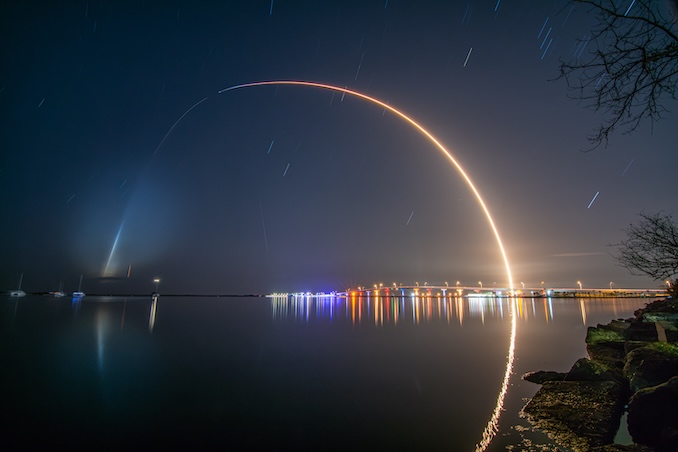
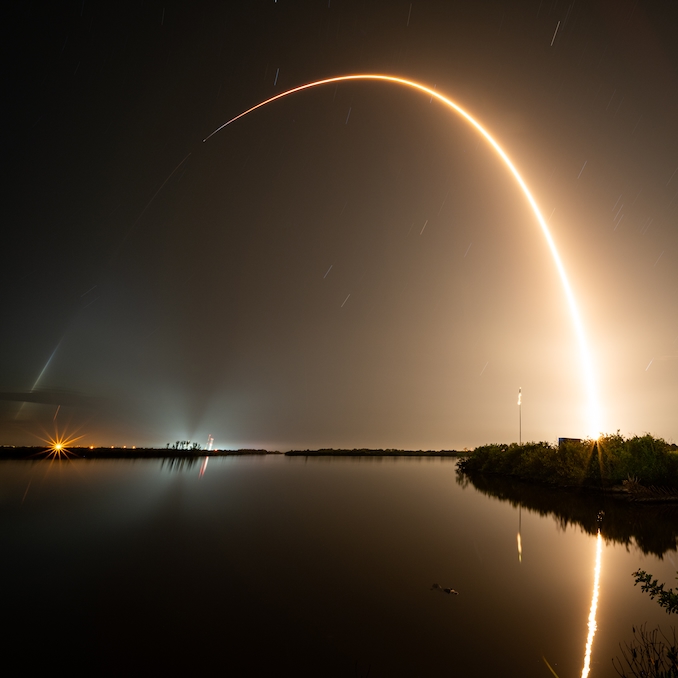
या आठवड्यात SpaceX ने आपल्या launch record मध्ये आणखी एक माइलस्टोन जोडला, जेव्हा त्याने 37व्यांदा उडणाऱ्या first-stage booster चा वापर करून Falcon 9 रॉकेट orbit मध्ये पाठवले. Starlink 10-49 mission 25 ऑगस्ट 2026 रोजी सकाळी 5:33 EDT वाजता Cape Canaveral Space Force Base येथील Space Launch Complex 40 मधून उड्डाण केले, आणि 29 Starlink broadband satellites नीच पृथ्वी कक्षेत घेऊन गेले.
Spaceflight Now च्या mission report आणि त्यानंतरच्या update नुसार, SpaceX ने नंतर उपग्रहांचे यशस्वी deployment पुष्टी केले. ठळक आकडा केवळ payload count नव्हता, तर first stage शी जोडलेला reuse milestone होता. जून 2021 मध्ये सेवेत आलेला booster B1067 ने 37वी mission पूर्ण करून कंपनीचा flight leader बनला, ज्यामुळे orbital-class rocket किती वेळा पुन्हा उडवता येतो याच्या व्यावहारिक मर्यादा आणखी पुढे ढकलल्या गेल्या.
हे महत्त्वाचे आहे, कारण पुनर्वापर आता SpaceX च्या launch model मध्ये side experiment राहिलेले नाही. हेच operating model आहे. आधीच सिद्ध झालेल्या booster वरची प्रत्येक अतिरिक्त flight manufacturing cost अधिक mission मध्ये विभागते, नवीन first stage बांधण्यावरील दबाव कमी करते, आणि frequent reuse नियमित होऊ शकते याचा अधिक पुरावा कंपनीला देते.
मोठ्या cadence मध्ये बसणारा launch
कागदावर Starlink 10-49 ही SpaceX च्या स्वतःच्या satellite network साठी आणखी एक internal deployment mission होती. प्रत्यक्षात, ती 2026 मधील कंपनीच्या tempo चा snapshot देखील होती. Spaceflight Now ने या launch ला वर्षातील 100वी Falcon 9 mission म्हटले, ज्यामुळे flight rate च्या बाबतीत orbital launch market मधील बाकी सर्वांपासून SpaceX किती पुढे गेले आहे हे स्पष्ट होते.
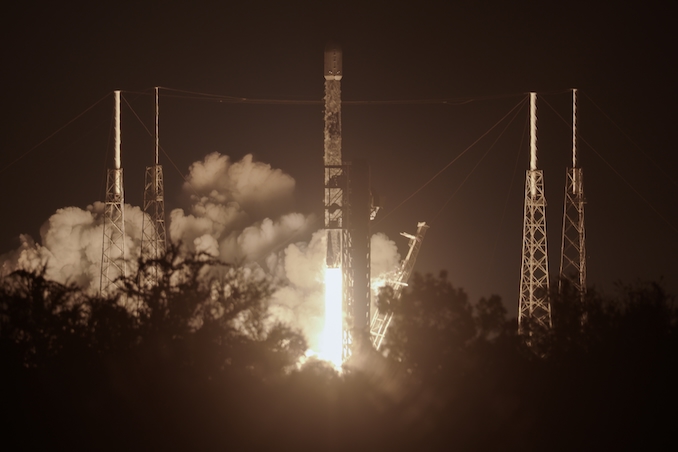
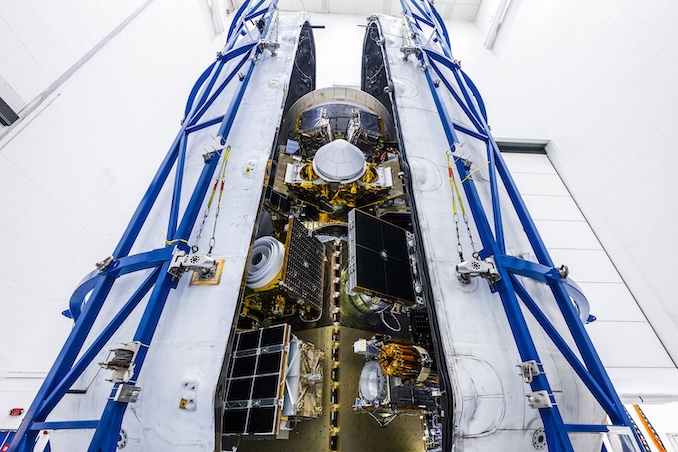
या mission सोबत Starlink constellation पुन्हा वाढली, आणि report नुसार कक्षेत 11,000 पेक्षा अधिक spacecraft होते. हा scale SpaceX च्या रणनीतीचा केंद्रबिंदू आहे. Falcon 9 हे केवळ बाह्य ग्राहकांना विकले जाणारे commercial launch vehicle नाही; ते Starlink सतत वाढवण्यासाठी आणि refresh करण्यासाठीचे logistics backbone देखील आहे. उच्च launch frequency आणि booster reuse एकमेकांना बळ देतात. SpaceX जितकी जास्त उडते, तितक्या वेगाने satellite network उभा करू शकते. आणि Starlink mission जितक्या जास्त, तितक्या rapid reuse सिद्ध आणि सुधारण्यासाठी संधी मिळतात.
2026 campaign मध्ये एक भौगोलिक बदलही दिसत आहे. Spaceflight Now ने कळवले की या वर्षातील 76 Starlink mission पैकी 44 Vandenberg Space Force Base, California येथून प्रक्षेपित झाले, तर Cape Canaveral मधील workforce increasingly Starship preparations कडे वळवली जात आहे. याचा अर्थ Florida ची कंपनीतील भूमिका बदलत आहे. Falcon 9 तिथे अजूनही सक्रिय आहे, पण operational emphasis चा काही भाग भविष्यातील mission साठी SpaceX तयार करत असलेल्या खूप मोठ्या fully reusable system कडे सरकत आहे.
Booster landing देखील कथेतला भाग आहे
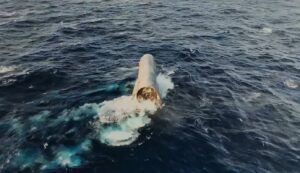
आणखी एक यशस्वी recovery नसती तर हा record इतका अर्थपूर्ण वाटला नसता. liftoff नंतर सुमारे 8.5 मिनिटांनी B1067 Atlantic Ocean मधील droneship A Shortfall of Gravitas वर उतरला. Spaceflight Now नुसार, ही त्या vessel वरील 165वी landing आणि एकूण 654वी Falcon booster landing होती.
हे आकडे दाखवतात की SpaceX ने कधीकाळी aerospace experimentation ची सीमा मानली जाणारी गोष्ट पुन्हा पुन्हा operational execution मध्ये रूपांतरित केली आहे. दहा वर्षांपूर्वी booster landings नाट्यमय शेवट असायच्या. आता त्या काटेकोरपणे नियंत्रित launch sequence चा अपेक्षित टप्पा आहेत. आता प्रश्न landing शक्य आहे का हा नसून, एकाच vehicle ने launch, separation, reentry, आणि landing किती वेळा सहन करून पुढच्या mission साठी तयार राहू शकते हा आहे.
याचा अर्थ तांत्रिक आव्हान संपले आहे असा नाही. प्रत्येक पुन्हा उडणाऱ्या booster वर ascent loads, engine cycles, atmospheric reentry, आणि समुद्राजवळील recovery operations मधून जमा होणारा wear असतो. त्यामुळे 37-flight record हा मोठ्या engineering argument मधला एक data point ठरतो: modern orbital booster चे service life जुन्या launch industry assumptions पेक्षा खूप जास्त असू शकते.
SpaceX च्या पलीकडे हा record का महत्त्वाचा आहे
तात्काळ commercial impact SpaceX च्या स्वतःच्या network economics मध्ये आहे, पण broader industry effect रणनीतिक आहे. United States, Europe, आणि Asia मधील competitors Falcon-style reuse चे काही घटक जुळवून घेण्याच्या किंवा त्याच्याबरोबर टिकू शकतील असे business models शोधण्याच्या दबावाखाली आहेत. 37 वेळा उडलेला first stage cost, schedule, आणि hardware utilization साठी performance bar उंचावतो.
याचा ग्राहक अपेक्षांवरही परिणाम होतो. Falcon 9 अशा वेगाने उडताना पाहणारे government आणि commercial buyers प्रतिस्पर्ध्यांच्या मंद production cycles, कमी launch cadence, किंवा मर्यादित recovery plans स्वीकारण्यास कमी तयार होऊ शकतात. इतर rockets वेगवेगळ्या payload classes किंवा mission profiles ला लक्ष्य करत असले तरी, operational reliability साठीचा benchmark आता scale वर repetition ने पुन्हा ठरवला जात आहे.
SpaceX साठी हे mission एक transitional moment देखील अधोरेखित करते. Falcon 9 अजूनही कंपनीचे workhorse आणि आजवरच्या सर्वात यशस्वी launch systems पैकी एक आहे, पण व्यवसायातील लक्ष हळूहळू Starship कडे जात आहे. जर Cape Canaveral जवळच्या काळात Starlink launches कमी होत असतील आणि local teams Starship preparation कडे वळत असतील, तर record-setting Falcon flights increasingly एक mature capability आणि SpaceX च्या launch strategy च्या पुढच्या टप्प्यातील दुवा म्हणून दिसतील.
त्यामुळे Starlink 10-49 हे केवळ routine deployment नाही. हे एका launch system चे आणखी एक नफ्याचे, पुन्हा करता येण्याजोगे operational run होते, जे स्वतःचे standards स्वतःच ठरवत राहते. payload orbit मध्ये पोहोचले, booster पुन्हा परत आला, आणि legacy launch business ने कधी कल्पना केली होती त्यापेक्षा rockets कितीतरी अधिक वेळा reuse करता येतात, या मुख्य thesis साठी कंपनीने आणखी एक data point जोडला.
हा लेख Spaceflight Now च्या रिपोर्टिंगवर आधारित आहे. मूळ लेख वाचा.
Originally published on spaceflightnow.com