मोठ्या परिणामांसह होणारा छोटासा चेहऱ्याचा बदल
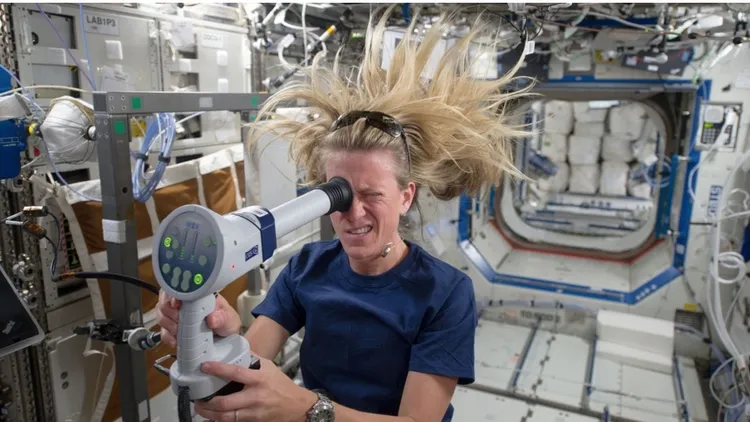
अंतराळ वैद्यकशास्त्रात बहुतेक वेळा हाडांची झीज, स्नायूंचा ऱ्हास, आणि किरणोत्सर्गाचा सामना यांसारख्या ठळक धोक्यांवर लक्ष केंद्रित केले जाते. पण Universe Today ने अधोरेखित केलेला एक नवीन अभ्यास मायक्रोग्रॅव्हिटीच्या अधिक विशिष्ट आणि आश्चर्यकारकरित्या महत्त्वाच्या परिणामाकडे निर्देश करतो: अंतराळप्रवासादरम्यान अंतराळवीरांच्या खालच्या पापण्या वरच्या दिशेने सरकू शकतात. हा बदल किरकोळ वाटू शकतो, पण संशोधकांच्या मते तो दीर्घकालीन मोहिमांशी संबंधित दृष्टीवरील ताणाचा काही भाग समजावून सांगू शकतो.
The effect of short-term microgravity and hypergravity on eyelid and brow position या शीर्षकाचा अभ्यास Eye & ENT Research मध्ये प्रकाशित झाला असून त्यात Western Sydney University, Center for Space Medicine and Extreme Environments Berlin, Aotearoa New Zealand National Eye Center, University of Otago, आणि Saarland University Medical Center येथील संशोधक सहभागी होते. त्यांचे कार्य मायक्रोग्रॅव्हिटी मानवी शरीराला, विशेषतः दृष्टीशी संबंधित संरचनांना, कसे बदलते हे समजून घेण्याच्या व्यापक प्रयत्नात भर घालते.
मूलभूत निष्कर्ष साधा आहे: मायक्रोग्रॅव्हिटीमध्ये खालची पापणी नैसर्गिकरित्या वर उठते. काळानुसार, यामुळे स्रोताने “reverse ptosis” असे वर्णन केलेली स्थिती निर्माण होऊ शकते, ज्यात खालची पापणी असामान्यरीत्या उंच बसते आणि कॉर्नियाच्या खालच्या कडेचा काही भाग झाकते. डोळा ही अत्यंत सूक्ष्मपणे समायोजित केलेली प्रकाशीय प्रणाली असल्याने, अगदी लहान शारीरिक बदलही महत्त्वाचे ठरू शकतात.
संशोधकांना काय आढळले
या समस्येचा अभ्यास करण्यासाठी पथकाने 13 अंतराळवीरांच्या 115 NASA छायाचित्रांचा आढावा घेतला. त्यांनी कॉर्नियाच्या केंद्रापासून खालच्या पापणीपर्यंतचे अंतर, ज्याला MRD2 म्हणतात, मोजले. सरासरी ते अंतर 1 मिलिमीटरने कमी झाले. प्रत्यक्षात याचा अर्थ खालची पापणी डोळ्याच्या तुलनेत वर गेली.
हा निष्कर्ष केवळ काही मोजक्या कर्मचाऱ्यांपुरता मर्यादित नव्हता. स्रोत मजकुरानुसार, तपासलेल्या सर्व अंतराळवीरांमध्ये reverse ptosis शी सुसंगत चिन्हे दिसली, आणि 62% मध्ये 1 मिलिमीटरपेक्षा जास्त बदल आढळला. त्यामुळे हा परिणाम अस्तित्वात आहे इतकेच नव्हे, तर तो सामान्यही दिसतो म्हणूनही तो लक्षवेधी ठरतो.
संशोधकांनी हे निष्कर्ष अल्पकालीन पॅराबॉलिक उड्डाणांनंतर दिसलेल्या परिणामांशीही तुलना केली, कारण अशा उड्डाणांमुळे मायक्रोग्रॅव्हिटीचे काही क्षण निर्माण होतात. ही समानता सूचित करते की पापणीतील बदल लवकर होतो आणि नंतर दीर्घकालीन भारशून्यतेतही टिकून राहतो. त्यामुळे समस्या फक्त काही महिन्यांनंतर नव्हे, तर मोहिमेच्या सुरुवातीलाच सुरू होऊ शकते.
मिशन नियोजक आणि फ्लाइट सर्जनसाठी, त्वरीत सुरू होणारे बदल विशेष महत्त्वाचे असतात. मायक्रोग्रॅव्हिटीमध्ये प्रवेश केल्यानंतर लगेचच एखादा परिणाम दिसू लागला आणि नंतर तो टिकून राहिला, तर तो संपूर्ण मोहिमेदरम्यान, तसेच भविष्यातील खोल अंतराळ मोहिमांसाठीही, कर्मचाऱ्यांचा आराम, डोळ्यांचे कार्य, आणि निरीक्षण प्रक्रिया यांवर परिणाम करू शकतो.
पापणीतील बदल दृष्टीसाठी का महत्त्वाचा आहे
इथे चिंता सौंदर्यविषयक नाही. पापणीची स्थिती डोळ्याच्या कार्यक्षमतेवर कसा परिणाम करू शकते, यामध्येच या अभ्यासाचे महत्त्व आहे. reverse ptosis मुळे कॉर्नियाचा आकार बदलू शकतो, दृश्य क्षेत्र कमी होऊ शकते, आणि दृश्य तीक्ष्णता घटू शकते, असे स्रोत सांगतो. कठीण वातावरणात अचूक दृष्टीवर अवलंबून असलेल्या अंतराळवीरांसाठी हे कार्यात्मकदृष्ट्या महत्त्वाचे प्रश्न आहेत.
अंतराळातील दृष्टी समस्या आधीपासूनच दीर्घकाळाच्या रसाचा विषय आहेत. दीर्घ मोहिमा, इतर शारीरिक परिणामांसह, दृष्टी आणि केंद्रीय स्नायूविक प्रणालीतील बदलांशी संबंधित आढळल्या आहेत. हा अभ्यास पापणीची हालचाल अंतराळप्रवासाशी संबंधित सर्व दृष्टी समस्यांचे स्पष्टीकरण देते, असा दावा करत नाही. त्याऐवजी, इतर यंत्रणांच्या तुलनेत कमी लक्ष मिळालेल्या, पण शक्य आणि मोजता येण्याजोग्या एका कारणाची ओळख करून देतो.
हे महत्त्वाचे आहे, कारण गुंतागुंतीच्या वैद्यकीय समस्या अनेक कारणांनी निर्माण होतात. मायक्रोग्रॅव्हिटी जर द्रवांचे वितरण, ऊतकांची यांत्रिकी, डोळ्यांचा दाब, आणि पापणीची स्थिती यांना एकाच वेळी प्रभावित करत असेल, तर संशोधकांना अंतराळप्रवासाशी संबंधित दृष्टी सिंड्रोम एकाच प्रमुख कारणाऐवजी अनेक लहान बदलांच्या परस्परक्रियेप्रमाणे पाहावा लागू शकतो.
दोन सुचवलेली यंत्रणा
लेखकांनी खालची पापणी अंतराळात का वर उठते यासाठी दोन मुख्य स्पष्टीकरणे सुचवली. पहिली म्हणजे cephalad fluid shift, जो मायक्रोग्रॅव्हिटीचा एक चांगला परिचित परिणाम आहे. कक्षेत, गुरुत्वाकर्षण पृथ्वीवर जसे द्रवांना खाली खेचते तसे करत नाही, त्यामुळे शरीरातील द्रव वरच्या दिशेने, म्हणजेच डोक्याकडे, सरकतात.
स्रोत मजकुरानुसार, अंतराळवीरांमध्ये सुमारे 2 लिटर द्रव डोक्याकडे सरकू शकतो, ज्यापैकी सुमारे 50 मिलीलीटर डोके आणि मान यांच्या ऊतकांमध्ये पुनर्वितरित होऊ शकते. डोळ्याभोवतीच्या भागात, हे पुनर्वितरण pretarsal भागात सूज निर्माण करू शकते, ज्यामुळे खालची पापणी भौतिकरित्या वर ढकलली जाऊ शकते. ही यंत्रणा सहज समजण्यासारखी असून अंतराळात अनेक अंतराळवीरांचे चेहऱ्यावर सूज दिसते या व्यापक निरीक्षणाशी सुसंगत आहे.
दुसरी प्रस्तावित यंत्रणा चेहऱ्याच्या ऊतकांतील elastic recoil शी संबंधित आहे. पृथ्वीवर, गुरुत्वाकर्षण मऊ ऊतकांना सतत खाली खेचते. ती सततची शक्ती दूर केली की ऊतक वरच्या दिशेने परत येऊ शकतात. त्या स्पष्टीकरणानुसार, पापणी केवळ द्रवामुळेच नव्हे, तर मायक्रोग्रॅव्हिटीतील चेहऱ्याच्या बदललेल्या यांत्रिक समतोलामुळेही सरकते.
ही यंत्रणा परस्परविरोधी नाहीत. प्रत्यक्षात, दिलेल्या मजकुरातून मिळणारी सर्वात संभाव्य मांडणी अशी आहे की दोन्ही एकत्र कार्य करत असाव्यात. द्रव हालचाल ऊतकांचे प्रमाण बदलू शकते, तर गुरुत्वाकर्षणाचा अभाव ऊतकांचा ताण आणि विश्रांतीतील स्थिती बदलतो. एकत्रितपणे, ते खालच्या पापणीची सतत उंचावलेली स्थिती निर्माण करू शकतात.

दीर्घ मोहिमांसाठी हे का महत्त्वाचे आहे
चंद्राकडे, आणि शेवटी मंगळाकडे जाणाऱ्या दीर्घ मोहिमांचा विचार अंतराळ संस्थांकडून केला जात आहे. बदललेल्या गुरुत्वीय वातावरणात दीर्घकाळ राहणाऱ्या पथकांसाठी कोणताही शारीरिक परिणाम अधिक महत्त्वाचा ठरतो, जो दृष्टी बिघडवू शकतो. मोहिमेची कालावधी, गुंतागुंत, आणि पृथ्वीपासूनचे अंतर वाढत गेले की हे अधिकच महत्त्वाचे होते.
सरासरी 1 मिलिमीटर बदल कागदावर किरकोळ वाटू शकतो, पण त्यातून कॉर्नियाच्या विकृतीला किंवा कमी दृश्य तीक्ष्णतेला हातभार लागत असेल, तर उपकरणे वाचणे, यंत्रसामग्री चालवणे, वैद्यकीय प्रक्रिया करणे, किंवा वैज्ञानिक कामे करणे यावर परिणाम होऊ शकतो. अंतराळप्रवासात थकवा, बंदिस्तपणा, आणि चुकीचे परिणाम मोठे असतील तेव्हा लहान घसरणही गंभीर ठरू शकते.
हा अभ्यास अंतराळवीर आरोग्य संशोधनातील एक महत्त्वाचा सिद्धांतही दाखवतो: सूक्ष्म शारीरिक बदलांचे काळजीपूर्वक मापन केल्यास कार्यात्मकदृष्ट्या महत्त्वाचे धोके उघड होऊ शकतात. अंतराळवीरांच्या डोळ्यांची छायाचित्रे तपासणे नवीन अंतराळयान प्रणालीची चाचणी घेण्याइतके नाट्यमय वाटणार नाही, पण ते मिशनच्या यशासाठी महत्त्वाची समस्या उघड करू शकते.
खालच्या पापणीतील बदल अंतराळातील इतर परिचित दृष्टी समस्यांशी कसे परस्परक्रिया करतात, आणि त्यासाठी प्रतिबंधक उपाय परिणाम रोखू किंवा कमी करू शकतात का, हे ठरवण्यासाठी अधिक काम आवश्यक असेल. पण सध्याचे पुरावे कोड्यात आणखी एक तुकडा जोडतात. मायक्रोग्रॅव्हिटी स्नायू कमकुवत करते आणि हाडे पातळ करते इतकेच नाही; ती चेहरा आणि डोळ्यांचा परिसर सूक्ष्मपणे बदलते, ज्यामुळे अंतराळवीर कसे पाहतात यावर परिणाम होऊ शकतो.
मानवी अंतराळप्रवास अधिक दीर्घ आणि महत्त्वाकांक्षी मोहिमांकडे जात असताना, असे सूक्ष्म बदल केवळ कुतूहल म्हणून न राहता अभियांत्रिकी मर्यादा बनतात. त्यांना लवकर समजून घेणे म्हणजे पुढे पथकाची कार्यक्षमता सुरक्षित ठेवण्याचा व्यावहारिक मार्ग आहे.
हा लेख Universe Today च्या वार्तांकनावर आधारित आहे. मूळ लेख वाचा.
Originally published on universetoday.com