
NASA चे पुढील प्रमुख वेधशाळा मोठ्या प्रमाणासाठी तयार केले आहे
NASA चे Nancy Grace Roman Space Telescope रविवार, 30 ऑगस्ट 2026 रोजी Kennedy Space Center येथून SpaceX Falcon Heavy वर प्रक्षेपणासाठी सज्ज होते, ज्यामुळे अशा मोहिमेची सुरुवात होणार होती जी मागील अवकाश दुर्बिणींपेक्षा कितीतरी जास्त वेगाने आणि प्रमाणात विश्वाचे सर्वेक्षण करण्यासाठी डिझाइन करण्यात आली आहे. Roman चे उद्दिष्ट Hubble-स्तराची तीक्ष्णता आणि खूपच विस्तृत field of view एकत्र आणणे आहे, ज्यामुळे खगोलशास्त्रज्ञांना आकाशातील प्रचंड क्षेत्रांचे मॅपिंग करतानाच सूक्ष्म तपशीलही स्पष्टपणे पाहता येतील.
या मोहिमेची किंमत सुमारे 4.3 अब्ज डॉलर आहे आणि तिचे लक्ष आधुनिक खगोलशास्त्रातील काही सर्वात मोठ्या प्रश्नांवर आहे: dark matter चे स्वरूप, dark energy चे वर्तन, विश्वाची large-scale रचना, आणि अशा solar system बाहेरील ग्रहांचा शोध जे जीवनाला आधार देऊ शकतील. वेधशाळा अपेक्षेप्रमाणे कार्य करू लागल्यास, ती केवळ विद्यमान दूरदर्शकांच्या संग्रहात भर घालणार नाही. ती उच्च-रिझोल्यूशन डेटाचा असा मोठा प्रवाह निर्माण करून आकाश सर्वेक्षण करण्याची पद्धतच बदलून टाकेल, जो पूर्वीच्या NASA वेधशाळांना गाठता आला नसता.
Hubble-स्तराच्या मुळांसह एक wide-field यंत्र
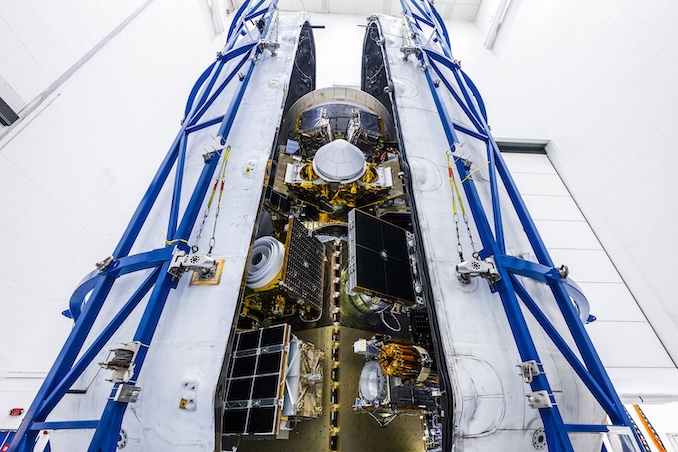
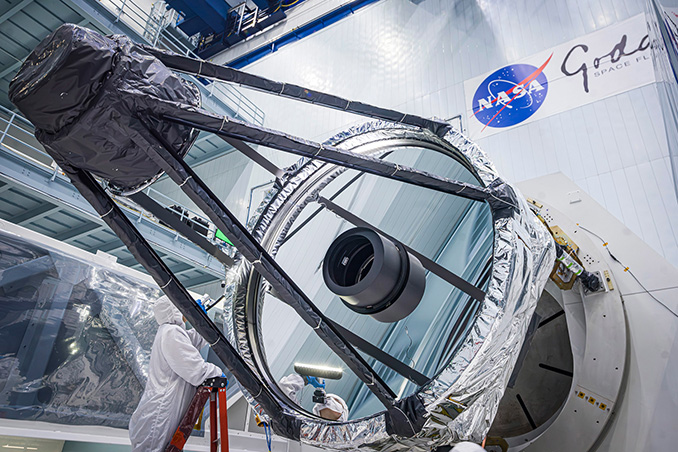
Roman ने इतके लक्ष वेधून घेण्याचे एक कारण म्हणजे त्याची असामान्य हार्डवेअर वंशावळ. ही दूरबीन Hubble च्या वर्गातील, पण दान केलेला आरसा वापरते, जो मूळतः अमेरिकेच्या गुप्तचर उपग्रह कार्यक्रमासाठी तयार करण्यात आला होता. त्या वारशामुळे NASA ला शक्तिशाली optics असलेली वेधशाळा उभारण्याची संधी मिळाली, आणि रचना संकीर्ण क्षेत्राऐवजी सर्वेक्षण क्षमतेभोवती केंद्रित ठेवता आली.
Roman चे निर्णायक उपकरण म्हणजे त्याचा 300-megapixel wide-field camera. प्रक्षेपणापूर्वी उद्धृत केलेल्या मोहिमेतील अधिकाऱ्यांच्या म्हणण्यानुसार, एक पूर्ण-रिझोल्यूशन प्रतिमा इतकी मोठी असेल की ती पूर्ण तपशीलात दाखवण्यासाठी सुमारे पाच लाख 4K टेलिव्हिजन लागतील. उड्डाणापूर्वी दिलेल्या दुसऱ्या तुलनेनुसार, एक प्रतिमा इतकी मोठी आहे की ती 45 शहर ब्लॉक्स किंवा Yosemite मधील El Capitan चा संपूर्ण समोरचा भाग व्यापू शकेल.
या तुलना मुख्य मुद्दा अधोरेखित करतात: Roman चे उद्दिष्ट प्रचंड, तीक्ष्ण दृश्ये कार्यक्षमतेने मिळवणे आहे. NASA च्या म्हणण्यानुसार, तुलनात्मक सर्वेक्षण कामासाठी ही दूरबीन Hubble पेक्षा 1,000 पट वेगाने आकाश स्कॅन करेल. त्यामुळे ती पारंपरिक अर्थाने एका साठी एक अशी उत्तराधिकारी नसून, वेगळ्या प्रकारची वेधशाळा आहे, जी सांख्यिकीय खगोलशास्त्र आणि संशोधकांना नमुने, विसंगती आणि पुढील निरीक्षणासाठी लक्ष्ये शोधता येतील अशी प्रचंड नकाशे तयार करण्यासाठी अनुकूलित आहे.
डेटा दर का महत्त्वाची आहे
वेधशाळेकडून अपेक्षित वैज्ञानिक परतावा optics इतकाच data throughput वरही अवलंबून आहे. 30 वर्षांत Hubble ने सुमारे 172 terabytes डेटा परत पाठवला आहे. याउलट, Roman कडून आपल्या पाच-वर्षांच्या प्राथमिक मोहिमेदरम्यान सुमारे 2,500 terabytes downlink होण्याची अपेक्षा आहे. ही प्रचंड वाढ आहे, आणि ती खगोलशास्त्रात data-intensive discovery कडे होत असलेला व्यापक कल दर्शवते.
प्रत्यक्षात, याचा अर्थ असा की Roman आकाशाच्या मोठ्या भागांतील सूक्ष्म बदल शोधू शकते, लहान सर्वेक्षणांमध्ये चुकू शकणाऱ्या दुर्मिळ घटना टिपू शकते, आणि इतर उपकरणांकडून होणाऱ्या सखोल निरीक्षणांसाठी व्यापक संदर्भ देऊ शकते. मोठ्या-क्षेत्रातील imaging विशेषतः पदार्थ विश्वात कसा वितरित आहे आणि cosmic expansion काळानुसार कसा बदलला आहे याचा अभ्यास करण्यासाठी महत्त्वाचे आहे. हे dark matter आणि dark energy च्या मॉडेल्सची चाचणी करण्यासाठी मूलभूत input आहेत.
मोहिमेतील नेत्यांनी हेही अधोरेखित केले की Roman चा वेग exoplanet काम वेगवान करेल. उच्च संवेदनशीलतेसह विस्तृत क्षेत्रांचे वारंवार निरीक्षण करू शकणारी दूरबीन मोठ्या नमुन्यांवर आणि सातत्यपूर्ण निरीक्षणावर अवलंबून असलेल्या survey techniques च्या माध्यमातून दूरच्या जगांची ओळख पटविण्यास मदत करू शकते. त्यामुळे Roman ला cosmology आणि planet hunting यांच्या संगमावर ठेवले आहे, ही दोन क्षेत्रे scale मुळे अधिकाधिक लाभ घेत आहेत.
एक Falcon Heavy प्रक्षेपण आणि बाहेरची लांब यात्रा
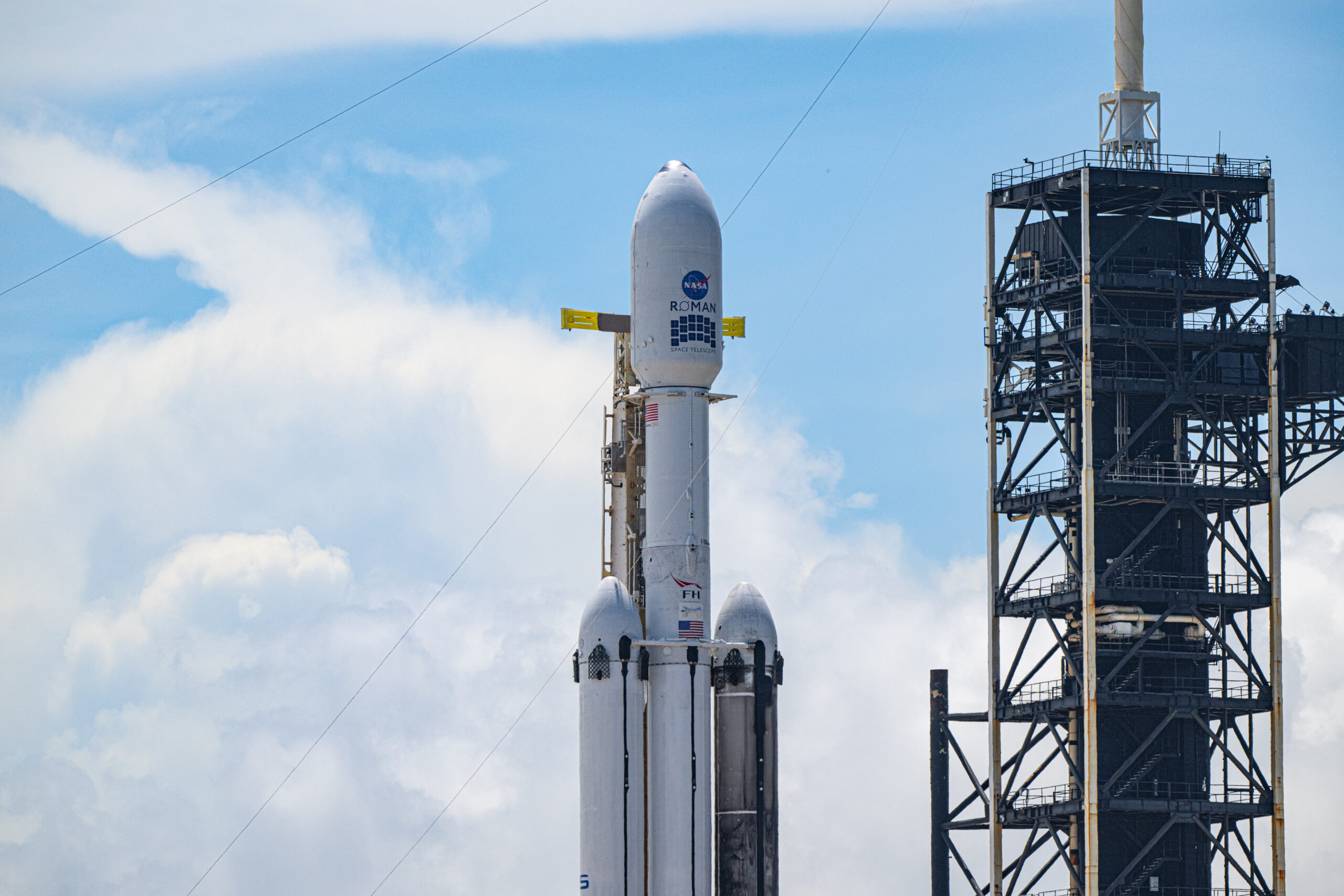
प्रक्षेपण वाहनामुळे मोहिमेचे महत्त्व आणखी वाढते. Roman ला triple-core Falcon Heavy वर उडायचे होते, जो SpaceX चा सर्वात शक्तिशाली operational rocket आहे. प्रक्षेपणापूर्वी वाहन Kennedy Space Center च्या pad 39A वर नेण्यात आले. Spaceflight Now ने कळवले की उजवीकडील booster तिसऱ्या उड्डाणावर होता, तर मध्यवर्ती core आणि डावीकडील booster पहिले उड्डाण करत होते.
नियोजित प्रक्षेपण वेळ रविवार सकाळी 7:26 EDT होती. उड्डाणानंतर Roman ला Sun-Earth Lagrange Point 2, किंवा L2, कडे आपला प्रवास सुरू करायचा होता, जो पृथ्वीच्या पलीकडील गुरुत्वाकर्षणाच्या दृष्टीने उपयुक्त प्रदेश आहे, जिथे अनेक प्रमुख अवकाश वेधशाळा कार्यरत आहेत किंवा होत्या. L2 एक स्थिर तापीय आणि निरीक्षणीय वातावरण देते, जे संवेदनशील खगोलशास्त्रीय मोहिमांसाठी योग्य आहे.
हे गंतव्य NASA च्या व्यापक वेधशाळा धोरणातील Roman चे स्थानही दर्शवते. L2 परिसरातील इतर deep-space science platform मध्ये सामील होऊन, Roman दीर्घ आणि अखंड निरीक्षणांसाठी डिझाइन केलेल्या ठिकाणाहून अचूक astrophysics करण्याची संस्थेची क्षमता वाढवेल.

संस्थात्मक आणि प्रतीकात्मक वजन असलेली वेधशाळा
या दूरबिणीचे नाव Nancy Grace Roman यांच्या नावावर ठेवले आहे, ज्या NASA च्या पहिल्या chief astronomer आणि space-based astronomy च्या प्रमुख समर्थक होत्या. Hubble कडे नेणाऱ्या कल्पना घडविण्यात त्यांची मोठी भूमिका होती, आणि या मोहिमेवरील त्यांचे नाव केवळ स्मरणार्थ नाही. ते Roman ला NASA च्या वेधशाळांच्या दीर्घ प्रवासाशी थेट जोडते, कक्षीय दूरबिणींसाठीच्या सुरुवातीच्या युक्तिवादांपासून आजच्या मोठ्या digital sky surveys च्या युगापर्यंत.
प्रक्षेपणापूर्वी NASA अधिकाऱ्यांनीही ही मोहीम अशाच व्यापक शब्दांत मांडली. Administrator Jared Isaacman म्हणाले की Roman dark matter, dark energy, आणि cosmic structure चे स्वरूप उलगडण्यास मदत करेल, तसेच संभाव्यतः वसण्यायोग्य ग्रहांच्या शोधाला गती देईल. NASA science chief Niki Fox यांनी या वेधशाळेचे वर्णन “speed machine” असे केले, ज्यातून ती आकाश किती अभूतपूर्व वेगाने स्कॅन करून निष्कर्ष देईल हे अधोरेखित होते.
ही विधानं या मोहिमेच्या खऱ्या वेगळेपणाशी जुळतात. Roman ही फक्त अंतराळात जाणारी आणखी एक दूरबीन नाही. हा खगोलशास्त्रासाठीचा एक infrastructure project आहे, जो विश्वाचे atlas-स्तरावरील दृश्य तयार करण्यासाठी बांधला गेला आहे, ज्याचा वापर इतर संशोधक आणि मोहिमा वर्षानुवर्षे करू शकतील.
यश कसे दिसेल
जर प्रक्षेपण आणि commissioning सुरळीत झाले, तर Roman चे यश एखाद्या एकमेव प्रतीकात्मक प्रतिमेपेक्षा त्याच्या वैज्ञानिक उत्पादनाच्या व्यापकतेने मोजले जाईल. ही दूरबीन लाखो वस्तूंमध्ये pattern शोधण्यासाठी, अवकाशाच्या विशाल प्रदेशांमध्ये structure उघड करण्यासाठी, आणि अशा प्रश्नांसाठी आवश्यक statistical power देण्यासाठी डिझाइन केली आहे, जे लहान data set समोर टिकले नाहीत.
म्हणूनच पहिली निरीक्षणे येण्याआधीच ही मोहीम धोरणात्मकदृष्ट्या महत्त्वाची आहे. अशा युगात, जिथे खगोलशास्त्र increasingly survey science द्वारे आकार घेत आहे, Roman आकाशाला खूपच समृद्ध searchable record मध्ये रूपांतरित करण्यासाठी तयार केले आहे. त्याचे आश्वासन केवळ ते प्रथम काय पाहील यामध्ये नाही, तर ते विश्वाचा किती अधिक भाग आपल्या आवाक्यात आणू शकते यामध्ये आहे.
हा लेख Spaceflight Now च्या रिपोर्टिंगवर आधारित आहे. मूळ लेख वाचा.

Originally published on spaceflightnow.com