विश्वाचा विस्तृत नवीन सर्वेक्षण करण्यासाठी NASA ने Roman अंतराळात पाठवला
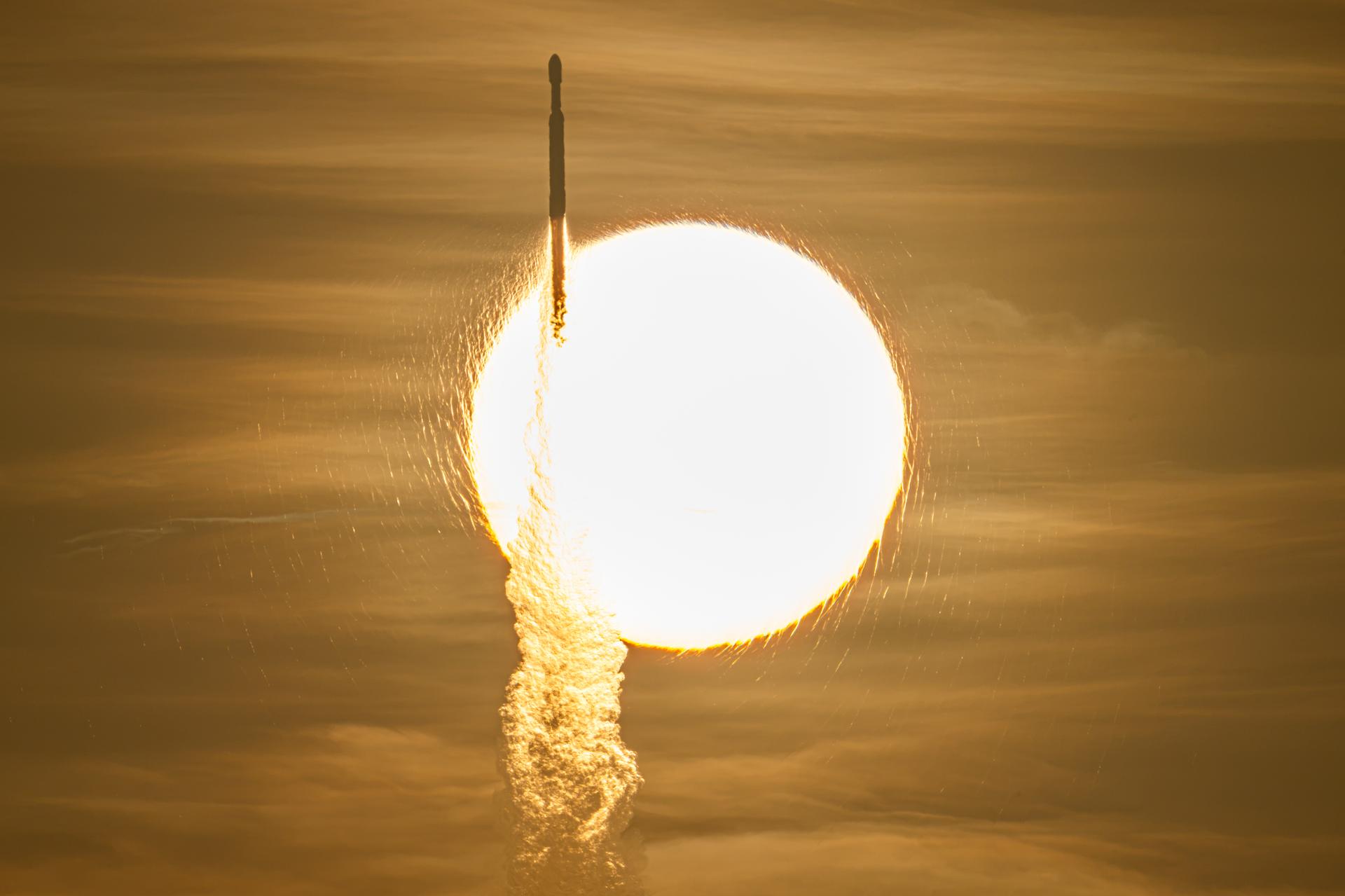
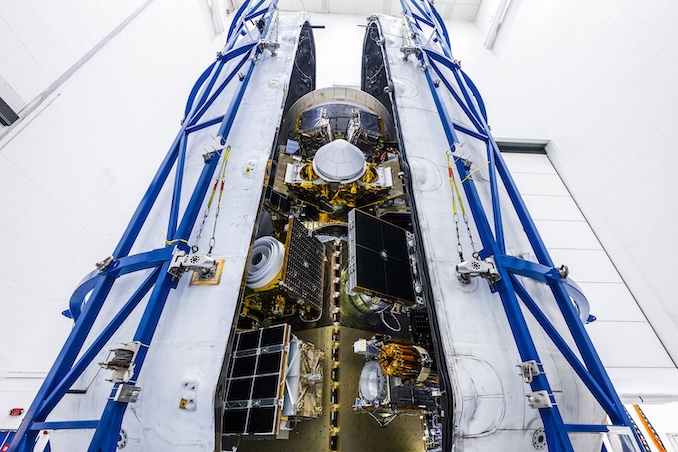
NASA चा Nancy Grace Roman Space Telescope 30 ऑगस्ट रोजी SpaceX Falcon Heavy वरून उड्डाण करून निघाला, ज्यामुळे आकाशाच्या प्रचंड भागांचे नकाशीकरण करणे आणि खगोलशास्त्रातील काही सर्वात मोठ्या अनुत्तरित प्रश्नांशी सामना करण्यासाठी तयार केलेल्या मोहिमेची सुरुवात झाली. एजन्सीने सांगितले की ही वेधशाळा फ्लोरिडातील Kennedy Space Center मधील Launch Complex 39A येथून EDT सकाळी 7:26 वाजता प्रक्षेपित झाली आणि आता पृथ्वीपासून सुमारे एक दशलक्ष मैल दूर असलेल्या Sun-Earth L2 बिंदूकडे जवळपास तीन महिन्यांच्या प्रवासावर आहे.
हे प्रक्षेपण दशकातील NASA च्या प्रमुख astrophysics उपक्रमांपैकी एका सुरुवातीचे प्रतीक आहे. Roman मोठे field of view आणि तीक्ष्ण infrared vision एकत्र करण्यासाठी तयार केला आहे, ज्यामुळे अरुंद लक्ष्यांसाठी अनुकूलित मोहिमांपेक्षा शास्त्रज्ञ आकाश अधिक वेगाने आणि व्यापकपणे पाहू शकतील. NASA या संयोगाला Roman च्या भूमिकेच्या केंद्रस्थानी मानते: केवळ स्वतंत्र वस्तूंची सविस्तर छायाचित्रे घेणे नाही, तर cosmic history मधील patterns उलगडू शकणारे एक शक्तिशाली survey engine तयार करणे.
वैज्ञानिक उद्दिष्ट महत्त्वाकांक्षी आहे. Roman चे मुख्य काम dark matter आणि dark energy वर केंद्रित असेल, जे universe मधील सर्वात कमी समजल्या गेलेल्या घटकांपैकी दोन आहेत, आणि त्याचबरोबर exoplanet संशोधनालाही मदत करेल. NASA ने सांगितले की या मोहिमेच्या surveys मुळे या प्रमुख उद्दिष्टांपलीकडेही विस्तृत अभ्यासांना मदत होईल, त्यामुळे Roman एकाच उद्देशापुरता मर्यादित observatory न राहता अनेक क्षेत्रांतील शोधांसाठी एक व्यासपीठ बनेल.
प्रमाणासाठी उभारलेली flagship mission
Roman ला असामान्यपणे विस्तृत निरीक्षणक्षमता असलेली flagship-class science mission म्हणून स्थान दिले जात आहे. प्रत्यक्षात याचा अर्थ असा की खगोलशास्त्रज्ञांना अपेक्षा आहे की तो अंतराळातील विशाल भागांमध्ये संरचित data गोळा करेल, ज्यामुळे galaxies कशा पसरलेल्या आहेत, काळानुसार cosmic structure कसे विकसित झाले, आणि अदृश्य matter व energy ने त्या विकासाला कसे आकार दिले हे अभ्यासता येईल. infrared क्षमता विशेषतः महत्त्वाची आहे, कारण ती telescope ला विश्वात खोलवर पाहण्यास आणि cosmic expansion मुळे ताणलेल्या सिग्नल्ससह दूरच्या वस्तूंपासून येणारे प्रकाशकिरण पकडण्यास मदत करते.
Roman चे मोठे field of view आणि जलद survey speeds यामुळे तो वेगळा ठरतो, असे NASA ने स्पष्ट केले. अनेक प्रमुख observatories काळजीपूर्वक निवडलेल्या वस्तूंच्या जवळच्या, सविस्तर अभ्यासात उत्कृष्ट असतात. Roman चा उद्देश काही वेगळे जोडणे आहे: आकाशाचा मोठ्या प्रमाणावरील atlas, जो trend, outlier, आणि इतर instruments कडून पुढील तपासणीसाठी लक्ष्ये उघड करू शकेल. हाच survey-first दृष्टिकोन agency Roman ला discovery machine म्हणण्याचे मुख्य कारण आहे.
ही मोहीम solar system च्या बाहेरील ग्रहांच्या शोधातही योगदान देण्यासाठी आहे. dark energy आणि dark matter सार्वजनिक चर्चेत प्रामुख्याने दिसत असले तरी, Roman इतर तार्यांभोवती फिरणाऱ्या जगांचा अभ्यास करण्यात मदत करेल, असे NASA ने स्पष्टपणे सांगितले. त्यामुळे हा telescope केवळ cosmology साठीच नाही, तर planetary systems किती सामान्य आहेत आणि आपल्या बाहेर कोणत्या प्रकारची पर्यावरणे अस्तित्वात आहेत हे समजून घेण्याच्या दीर्घकालीन प्रयत्नांसाठीही महत्त्वाचा आहे.
प्रक्षेपण आणि प्रारंभिक उड्डाण नियोजनानुसार झाले
NASA नुसार, Falcon Heavy ने ascent दरम्यान अपेक्षेप्रमाणे कार्य केले. Maryland मधील Goddard Space Flight Center येथील ground team ला liftoff नंतर सात मिनिटांनी Roman कडून telemetry मिळू लागली, हे spacecraft जिवंत असून संवाद साधत असल्याचे सुरुवातीचे लक्षण होते. NASA ने सांगितले की rocket ने flight च्या 31 मिनिटांवर observatory पासून वेगळेपणा घेतला.
प्रक्षेपणात पुनर्वापरयोग्य launch operations चे दृश्यमान प्रात्यक्षिकही होते. center core पासून वेगळे झाल्यानंतर Falcon Heavy चे side boosters सुरक्षितपणे launch site वर परतले आणि refurbishment साठी तयार करण्यात आले, यामुळे उच्च-प्रोफाइल science missions आता increasingly partially reusable commercial rockets सोबत जोडल्या जात असल्याचे अधोरेखित झाले.
spacecraft पुढे जात असताना Roman ची communications architecture बदलेल. लॉन्च आणि प्रारंभिक orbit दरम्यान tracking, telemetry, आणि command links साठी mission सुरुवातीला Near Space Network वापरते, ज्यामध्ये ground stations आणि relay satellites समाविष्ट आहेत, असे NASA ने सांगितले. प्रक्षेपणानंतर सुमारे 70 मिनिटांनी communications Deep Space Network कडे वळतील, जी Roman ला L2 कडे मार्गदर्शन करेल. observatory चे गंतव्य low Earth orbit पेक्षा बरेच दूर असल्याने deep-space navigation आणि support आवश्यक आहे, म्हणून हा handoff एक महत्त्वाचा operational milestone आहे.
L2 का महत्त्वाचे आहे
दुसरा Sun-Earth Lagrange point space observatories साठी एक धोरणात्मक गंतव्य बनला आहे, कारण तो तुलनेने स्थिर thermal आणि gravitational environment देतो. तिथून Roman दीर्घकालीन survey कामासाठी आवश्यक असलेल्या स्थिर observing conditions राखू शकतो. मोहिमेबद्दल NASA चे वर्णन स्पष्ट करते की L2 हे केवळ parking spot नाही, तर telescope कार्यक्षमपणे चालवण्याचा पाया आहे.
पृथ्वीपासून सुमारे एक दशलक्ष मैल दूर असताना Roman deep-space observation साठी पुरेसा दूर राहील, आणि तरीही NASA च्या communications networks द्वारे नियंत्रकांशी नियमित संपर्कात राहील. एजन्सीने सांगितले की ऑस्ट्रेलियातील Canberra Deep Space Complex या support chain चा भाग आहे. खगोलशास्त्रज्ञांसाठी या गंतव्याचे मूल्य सोपे आहे: एक स्थिर observatory अधिक वेळ सातत्यपूर्ण data गोळा करू शकतो आणि पृथ्वीच्या जवळील मोजमापांमध्ये अडथळा आणणाऱ्या environmental noise चा सामना करण्यासाठी कमी वेळ खर्च करतो.

NASA साठी एक व्यवस्थापकीय यश
launch घोषणेत NASA ने Roman ला केवळ science milestone म्हणून नव्हे, तर management success म्हणूनही मांडले. Administrator Jared Isaacman यांनी सांगितले की ही मोहीम वेळेपूर्वी आणि budget मध्ये पूर्ण करून दिली गेली, जे प्रमुख federal programs वर कठोर तपासणी सुरू असलेल्या काळात flagship प्रकल्पासाठी महत्त्वाचे आहे. हा मुद्दा Washington मध्ये research community इतकाच महत्त्वाचा ठरू शकतो.
एजन्सीच्या सार्वजनिक टिप्पणींनी Roman ला एका व्यापक संस्थात्मक युक्तिवादाशीही जोडले: धाडसी space science शिस्तबद्ध अंमलबजावणीसोबत एकत्र अस्तित्वात राहू शकते. NASA साठी हा एक महत्त्वाचा संदेश आहे, कारण ते मानव अंतराळ उड्डाणाच्या महत्त्वाकांक्षा, commercial partnerships, आणि महागड्या science portfolios यांच्यात समतोल साधत आहे. Roman ची यशस्वी तैनाती मोठ्या, काळजीपूर्वक व्यवस्थापित observatories च्या बाजूने युक्तिवाद मजबूत करेल, जे खगोलशास्त्रज्ञांना वर्षानुवर्षे वापरता येतील असे data तयार करू शकतात.
NASA च्या associate administrator for the Science Mission Directorate, Nicky Fox, म्हणाले की Roman ची क्षमता अदृश्य गोष्टी दृश्यमान करण्यात मदत करेल. ही ओळ मिशनची भूमिका अचूकपणे पकडते. dark matter असा प्रकाश उत्सर्जित करत नाही की जो telescopes थेट पाहू शकतील, आणि dark energy चा अंदाज universe कसा विस्तारतो यावरून बांधला जातो. Roman चे काम म्हणजे या प्रभावांचे अप्रत्यक्ष, पण अधिक शक्तिशाली मापन करण्यासाठी आवश्यक मोठे, उच्च-गुणवत्तेचे data sets गोळा करणे.
पुढे काय
प्रक्षेपण हा फक्त पहिला टप्पा आहे. Roman ला L2 पर्यंतची cruise पूर्ण करावी लागेल, spacecraft checkout सुरू ठेवावा लागेल, आणि science operations साठी त्याची systems तयार करावी लागतील. हे टप्पे सुरळीत पार पडले, तर खगोलशास्त्रज्ञांना अधिक खोलवर नव्हे तर अधिक विस्तृत आणि जलद पाहण्यासाठी बनवलेले एक नवे instrument मिळेल.
हा फरक Roman ला त्याच्या पिढीतील सर्वात महत्त्वाच्या observatories पैकी एक बनवू शकतो. जनमानसाची कल्पना एका नाट्यमय प्रतिमेवर केंद्रित करण्याऐवजी, हा telescope आकाशाचा एक व्यापक record तयार करण्यासाठी बनवला आहे, जो cosmology आणि planetary science मधील research programs साठी उपयोगी ठरू शकतो. त्याचे यश स्थिर संचालन, विश्वासार्ह communications, आणि अखेरीस दिल्या जाणाऱ्या surveys च्या गुणवत्तेवर अवलंबून असेल. पण प्रक्षेपण पूर्ण झाले असून spacecraft L2 च्या दिशेने निघाले आहे, त्यामुळे mission ने आपली पहिली मोठी परीक्षा पार केली आहे.
हा लेख NASA च्या अहवालावर आधारित आहे. मूळ लेख वाचा.

Originally published on nasa.gov