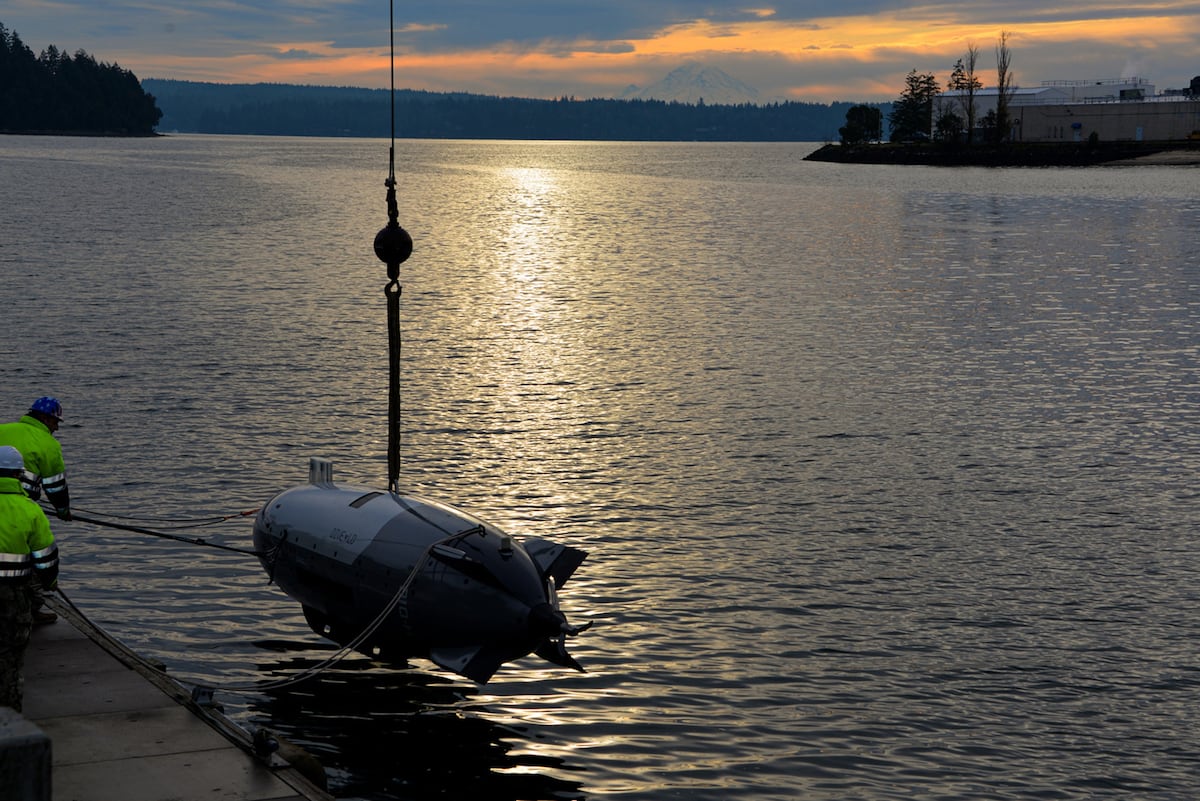
नवीन धमकी समन्वित प्रतिक्रिया मागणी करते
स्वायत्त पाण्याच्या खाली असलेले वाहन — मानवी मार्गदर्शनाशिवाय विस्तारित कालावधीसाठी कार्य करण्यास सक्षम असमानीकृत पनडुब्बी आणि ड्रोन जहाजे — आधुनिक समुद्र सुरक्षेत सर्वाधिक कठीण-मुकाबलेची धमकी म्हणून उदयास आली आहे. वैमानिक ड्रोन्सच्या विपरीत, जे रडार द्वारा मागवता येतात आणि वाढत्या प्रतिड्रोन प्रणालीद्वारे गुंतवले जाऊ शकतात, पाण्याच्या खाली असलेली स्वायत्त जहाजे असे वातावरणात कार्य करतात जे स्वाभाविकपणे सर्वात सामान्य शोध तंत्रज्ञान कमी करते. संयुक्त राज्य अमेरिका आणि युनाइटेड किंगडम यांनी आता या संरक्षण अंतराला बंद करण्यासाठी एक औपचारिक संयुक्त कार्यक्रम जाहीर केली आहे.
या उद्यमाची घोषणा या सप्ताहात US नेव्ही आणि रॉयल नेव्ही द्वारे एकाचवेळी केली गेली, जी दोन्ही देशांमधून संशोधन संघ, संरक्षण ठेकेदार आणि तंत्रज्ञान विकासकारांना एकत्रित करेल जेणेकरून शत्रुतापूर्ण स्वायत्त पाण्याच्या खाली असलेल्या जहाजांसाठी शोध, ट्रॅकिंग आणि तटस्थीकरण प्रणालीवरील कामात गती आणली जाऊ शकेल. अधिकारीयांनी हा कार्यक्रम बुद्धिमत्ता मूल्यांकनाला थेट प्रतिक्रिया म्हणून वर्णित केला, जो दर्शवितो की विरोधी राष्ट्रांनी त्यांच्या पाण्याच्या खाली असलेल्या ड्रोन बेडा नाटकीयरित्या विस्तृत केले आहे आणि NATO समुद्र मालमत्तेविरुद्ध नवीन तैनातीचे सिद्धांत तपासत आहेत.
पाण्याच्या खाली असलेल्या ड्रोनचा मुकाबला करणे का इतके कठीण आहे
समुद्राची भौतिकी प्रतिड्रोन कार्यासाठी अद्वितीयपणे आव्हानकारक बनवते. रेडिओ फ्रिक्वेन्सी सिग्नल जे वायव्य ड्रोन शोध प्रणालीची मणिमान्य स्तंभ बनवतात ते समुद्रसल पाण्याला कोणत्याही व्यावहारिक खोलीमध्ये भेदू शकत नाहीत. रडार पाण्याच्या अंतर्गत पूर्णपणे प्रभावी आहे. सक्रिय सोनार देखील, पनडुब्बी शोधाचे मुख्य साधन, हळूवारपणे हलणारी, कमी-ध्वनी स्वायत्त जहाजे द्वारे हराले जाऊ शकते जी सामान्य सोनार प्रणालीच्या ध्वन्यात्मक थ्रेशोल्डच्या खाली राहण्यासाठी अभियंत्रित आहे.
निष्क्रिय सोनार अरेज — ऐकणारे नेटवर्क जे NATO च्या पाण्याच्या अंतर्गत निगराणी पायाभूत ढांचाचा भाग आहेत — प्राथमिकपणे पूर्ण आकारच्या पनडुब्बी शोधण्यासाठी डिजाइन केल्या गेल्या होत्या, अणू किंवा डीजल-विद्युत प्रणोदन प्रणाली सह. बॅटरी शक्ती चालविलेल्या लहान स्वायत्त पाण्याच्या खाली असलेल्या जहाजे ध्वन्यात्मक स्वाक्षर उत्सर्जित करतात जे परिमाणात बरेच शांत असतात, जे विरासतामध्ये मिळालेल्या स्थिर सोनार स्थापनांच्या शोध मंजिल खाली येतात.
अलीकडील घटनांनी समस्या उजागर केली आहे. नॉर्वे आणि यूके नौदल अधिकारीयांनी महत्त्वपूर्ण पायाभूत ढांचे जवळ चालविलेल्या अज्ञात पाण्याच्या खाली असलेल्या वाहनांच्या अनेक उदाहरणांची दस्तऐवज केली आहे, ज्यात समुद्र डेटा केबल आणि अपतटीय ऊर्जा स्थापनांचा समावेश आहे. जरी अधिकृत विधानांमध्ये विशेषता सतर्क राहिली आहे, तरी बुद्धिमत्ता मूल्यांकन अनेक घटना राष्ट्र-प्रायोजित कार्यक्रमांशी जोडतात.
तंत्रज्ञान ट्रॅक विकसनाधीन
संयुक्त कार्यक्रम अनेक समांतर तंत्रज्ञान ट्रॅकचा पाठपुरावा करेल. वितरित सेन्सर नेटवर्क — लहान, कमी-शक्ती ध्वन्यात्मक आणि विद्युतचुंबकीय सेन्सरांचे अरेज जे समुद्र तळ आणि पाण्याच्या स्तंभावर मोठ्या क्षेत्रांमध्ये तैनात केले जाऊ शकतात — एक मुख्य मार्ग प्रतिनिधित्व करते. अनेक सेन्सरस नेटवर्क करून आणि एकत्रित डेटा स्ट्रीमवर मशीन लर्निंग लागू करून, अभियंत्रक शोध प्रणाली तयार करण्याची आशा करतात ज्या बॅटरी-चालविलेल्या स्वायत्त जहाजांच्या ट्रॅकिंगसाठी पुरेसे संवेदनशील असतील, जे सध्या बिंदू-स्रोत सोनार टाळत आहेत.
निर्देशित ऊर्जा प्रतिमाप दुसरा ट्रॅक प्रतिनिधित्व करतात, जरी पाण्याच्या माध्यमातून ऊर्जा प्रसारणाची भौतिकी या दृष्टिकोनावर महत्त्वपूर्ण मर्यादा लादते. ध्वन्यात्मक निर्देशित-ऊर्जा प्रणाली — अनिवार्यपणे शक्तिशाली पाण्याच्या अंतर्गत ध्वनी प्रोजेक्टर — चाचण्यांमध्ये स्वायत्त जहाजांच्या नेव्हिगेशन प्रणाली व्यत्यय आणण्यात काही वचन दाखविले आहे, शारीरिक संपर्काशिवाय. इलेक्ट्रॉनिक युद्ध दृष्टिकोन जे जहाजे आणि त्यांच्या ऑपरेटरांमधील संचार लिंक लक्ष्य करतात ते देखील मूल्यांकन केले जात आहेत.
तिसरा ट्रॅक स्वायत्त प्रतिड्रोन प्रणालींवर केंद्रित आहे — उद्देश्य-निर्मित पाण्याच्या खाली असलेल्या वाहने जे शत्रुतापूर्ण स्वायत्त जहाजे शोधण्यास आणि गुंतवता येतात. ही संकल्पना, कधीकधी शिकारी-मारक पाण्याच्या अंतर्गत ड्रोन म्हणून ओळखली जाते, US आणि UK स्वायत्त जहाजांची तैनाती करेल जी संवेदनशील क्षेत्रांमध्ये टहलतात आणि जाळी प्रणाली, ध्वन्यात्मक विघ्नकारक आणि गतिज इंटरसेप्टरच्या संयोजनाचा वापर करून धमकीपूर्ण संपर्कांना गुंतवतात.
पायाभूत ढांचा संरक्षण प्राधान्यता
कार्यक्रमाचा प्रारंभिक लक्ष्य समुद्र पायाभूत ढांचाच्या विशिष्ट श्रेणीचे संरक्षण आहे: नौदल बंदर आणि नोकरांडु, समुद्र संचार केबल आणि अपतटीय ऊर्जा स्थापना, पाइपलाइन पायाभूत ढांचा समावेश. ही संघर्ष परिस्थितीत सर्वाधिक संभाव्य हल्ल्याचे लक्ष्य दर्शवितात आणि मालमत्ता ज्याचे नुकसान सर्वाधिक तात्काल कौशल्य आणि आर्थिक हानी कारण होईल.
फेब्रुवारी 2024 बाल्टिक समुद्र समुद्र संचार केबल व्यत्यय — एक घटना जी पश्चिमी बुद्धिमत्ता एजेन्सीयांनी जानूनी तोडफोडाशी जोडली आहे जरी औपचारिक विशेषता विवादास्पद राहिली — अपुरेशील पाण्याच्या खाली असलेल्या पायाभूत ढांचे संरक्षणाच्या वास्तविक-जगातील परिणामांचे प्रदर्शन केले. उत्तर समुद्र ऊर्जा पायाभूत ढांचे लक्ष्य करणारी सारख्या घटनांनी प्रभावी प्रतिमाप विकसित करण्याची तातडीतता जोरदार केली आहे.
संयुक्त US-UK कार्यक्रम व्यापक NATO प्रयासांना माहिती देण्याची अपेक्षा केली जाते, पाण्याच्या खाली असलेल्या पायाभूत ढांचे संरक्षणासाठी गठबंधन-व्यापी मानके विकसित करण्यासाठी. विस्तृत समुद्र पायाभूत ढांचे असलेली इतर NATO सदस्ये, नॉर्वे, नेदरलँड्स आणि डेनमार्क यांच्यासह, कार्यक्रम परिपक्व होत असताना तंत्रज्ञान आणि संसाधनांमध्ये योगदान देण्याची अपेक्षा केली जाते.
औद्योगिक आधार आणि कालमर्यादा
अटलांटिकच्या दोन्ही बाजूंचे संरक्षण ठेकेदार या उद्यमातून लक्षणीय लाभ मिळविण्यासाठी स्थितीत आहेत. BAE Systems आणि Thales यूकेमध्ये, तसेच Raytheon, General Dynamics आणि Lockheed Martin अमेरिकेमध्ये, पाण्याच्या खाली असलेल्या निगराणी आणि स्वायत्त समुद्री प्रणालींमध्ये मौजूद कार्यक्रम आहेत जे संयुक्त उद्यमांतर्गत त्वरित निधिसाठी संभाव्य आहेत.
कार्यक्रम तीन वर्षांमध्ये प्रारंभिक ऑपरेशनल क्षमता प्रदान करण्यासाठी डिजाइन केली गेली आहे, सर्वोच्च-प्राधान्यता नौदल स्थापनांमध्ये तैनात केली जाऊ शकणारी बंदर संरक्षण प्रणालीवर केंद्रित आहे. समुद्र केबल पायाभूत ढांचे आणि अपतटीय ऊर्जा मालमत्तेचे संरक्षण करण्यासाठी व्यापक तैनाती पाच ते सात वर्षांच्या कालमर्यादेत प्रजेक्ट केली गेली आहे, ज्यामुळे निश्चित-बिंदु संरक्षण विरुद्ध सतत क्षेत्र कव्हरेजच्या अधिक जटिलतेचे प्रतिबिंब होतो.
हा लेख Defense News द्वारे रिपोर्टिंगवर आधारित आहे. मूळ लेख वाचा.
Originally published on defensenews.com