नव्या युरोपीय प्रतिरोध मॉडेलकडे फ्रान्स आणि जर्मनीचे दिसणारे पाऊल
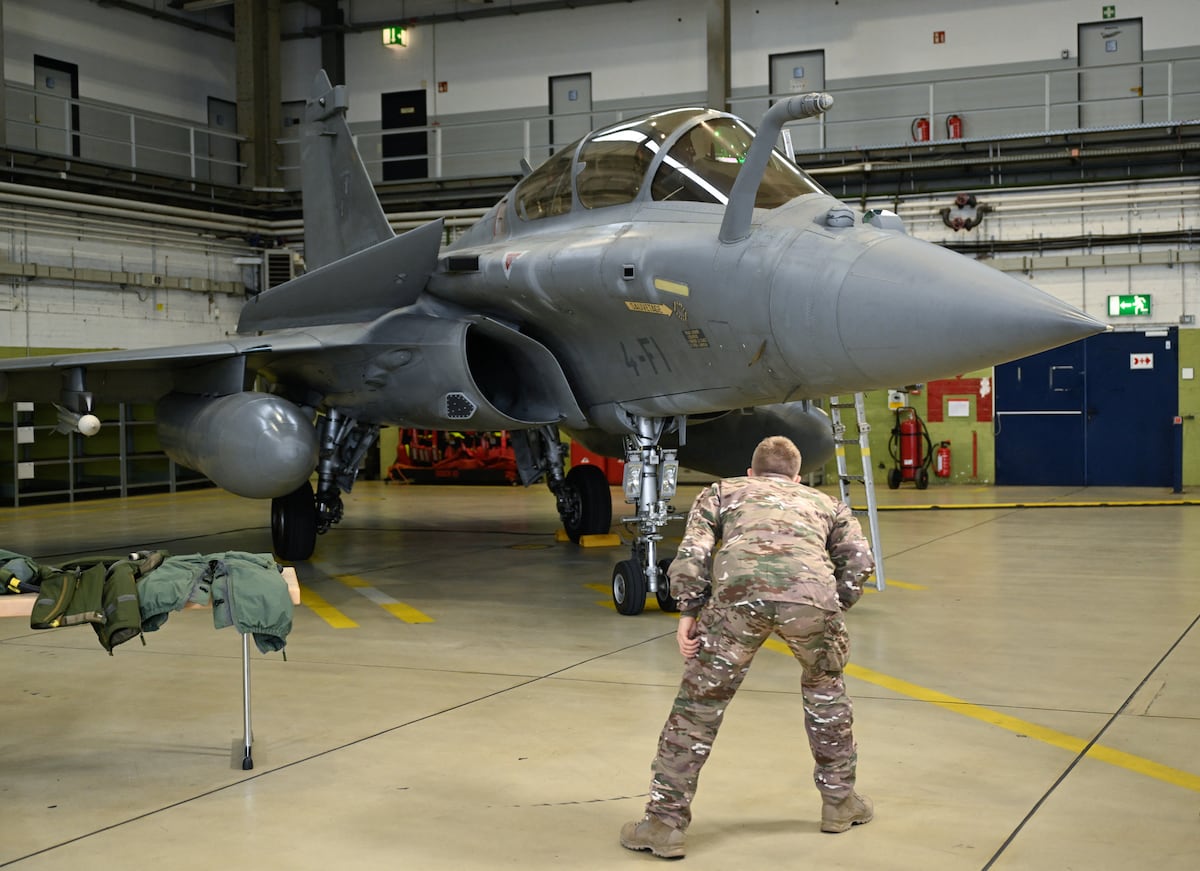
फ्रान्स आणि जर्मनीने आपल्या उदयोन्मुख अण्वस्त्र सहकार्याला राजकीय संकेतांपासून लष्करी कारवाईकडे नेले आहे, जे युरोपच्या सुरक्षा भूमिकेत आतापर्यंत झालेल्या सर्वात स्पष्ट बदलांपैकी एक आहे. मार्चमध्ये द्विपक्षीय अणु मार्गदर्शक गट स्थापन केल्यानंतर, पॅरिस आणि बर्लिन आता धोरणाला प्रत्यक्ष कारवाईशी जोडत आहेत: फ्रेंच अणु-सक्षम विमाने जर्मन हवाई तळावर दिसली आहेत, जर्मन सैन्य येत्या फ्रेंच अणु सरावात सहभागी होणार आहे, आणि दोन्ही सरकारे या प्रयत्नाला युरोपसाठी प्रतिरोधाची एक नवी पातळी म्हणून मांडत आहेत.
ही घडामोड महत्त्वाची आहे, कारण ती “स्ट्रॅटेजिक ऑटोनॉमी” या परिचित चर्चांच्या पुढे जाऊन प्रत्यक्ष समन्वयाकडे जाते. अनेक वर्षे युरोपीय नेते हा प्रश्न मांडत होते की खंडाने अंतिम सुरक्षा हमीसाठी अमेरिकेवर कमी अवलंबून राहावे का. इथे जे बदलले आहे ते फ्रान्सच्या अण्वस्त्र साठ्यावर असलेल्या सार्वभौम नियंत्रणाच्या दीर्घकालीन भूमिकेत नाही, तर त्या क्षमतेचे असे आयोजन करण्याच्या त्याच्या तयारीत आहे की ज्यात युरोपीय भागीदार अधिक स्पष्टपणे सामील होतील.
रिपोर्टनुसार, फ्रेंच अध्यक्ष इमॅन्युएल मॅक्रॉन आणि जर्मन चान्सलर फ्रेडरिक मर्झ यांनी हा उपक्रम नाटोच्या विद्यमान चौकटीचा पर्याय नसून पूरक म्हणून मांडला. हा फरक महत्त्वाचा आहे. जर्मनी अजूनही नाटोअंतर्गत अमेरिकेच्या अणु-सामायिकरण व्यवस्थेचा भाग आहे, ज्यामध्ये अमेरिकी अणुबाँब्स ठेवणे आणि अमेरिकेच्या राष्ट्राध्यक्षांनी परवानगी दिल्यास ते वाहून नेऊ शकणारी विमाने राखणे समाविष्ट आहे. बर्लिन ही रचना सोडत नाही. त्याऐवजी, युरोपीय सरकारे अधिक स्पर्धात्मक सुरक्षा वातावरणात प्रतिरोध कसा असावा याचा पुनर्विचार करत असताना, ते फ्रान्ससोबत समांतर संबंध जोडत आहे.
मार्गदर्शक गटापासून सरावांपर्यंत
प्रगतीची सर्वात ठोस चिन्हे कार्यकारी पातळीवर आहेत. मॅक्रॉन यांनी सांगितले की एक फ्रेंच अणु-सक्षम राफाल फायटर प्रथमच जर्मनीतील कोलोनजवळील नॉर्वेनिश एअरबेसवर तात्पुरता तैनात करण्यात आला होता. आणखी एक टप्पा या प्रतीकात्मकतेला बळकटी देणारा ठरला: फ्रेंच राफाल आणि जर्मन युरोफायटर्स यांनी एकत्र हवाई इंधन भरले, जे अधिक जवळच्या रणनीतिक सहकार्यासोबत जोडलेले प्रदर्शन होते.
जर्मनी सप्टेंबरमध्ये होणाऱ्या फ्रेंच “पोकर” सरावाला आपल्या पारंपरिक सैन्यांसह पाठिंबा देईल, अशी अपेक्षा आहे. हे महत्त्वाचे आहे, कारण फ्रेंच नेतृत्वाखालील प्रतिरोध चौकटीत भारवाटप कसे असेल, हे ते ठरवायला सुरुवात करते. पॅरिस आपल्या अण्वस्त्रांवरील आणि त्यांचा वापर करण्याच्या कोणत्याही निर्णयावरील सार्वभौम अधिकार राखून ठेवेल, पण सहयोगी देश पारंपरिक भूमिका, तळांचा वापर, पुरवठा किंवा हवाई सहाय्याद्वारे योगदान देऊ शकतात.
हे नाटोतील अमेरिकी मॉडेलपेक्षा वेगळे आहे. अमेरिकी व्यवस्थेत, अमेरिकी शस्त्रे सहयोगी देशांमध्ये पुढे तैनात केली जातात आणि आघाडीने त्या व्यवस्थेभोवती दशकानुदशके कार्यपद्धती आणि सैन्यरचना उभारली आहे. फ्रान्सचा नवा दृष्टिकोन अणु पातळीवर अधिक मर्यादित आणि राष्ट्रीय नियंत्रणाखालील दिसतो, पण तरीही भागीदार राष्ट्रांना व्यापक प्रतिरोध परिसंस्थेत आमंत्रित करतो.
रिपोर्ट म्हणते की नॉर्वेपासून ग्रीसपर्यंत नऊ देश आतापर्यंत या फ्रेंच उपक्रमात सामील झाले आहेत. जर्मनीचा सहभाग त्याचा आकार, राजकीय वजन आणि भौगोलिक स्थान यामुळे विशेष ठरतो. जर फ्रान्स राष्ट्रीय प्रतिरोध अधिक स्पष्टपणे युरोपीय बनवण्याचा प्रयत्न करत असेल, तर बर्लिन हा सर्वात महत्त्वाचा भागीदार आहे ज्याला तो सुरुवातीलाच पुढे आणू शकतो.
हे आत्ता का होत आहे
या वेळेमागे केवळ द्विपक्षीय उत्साह नाही. युरोपवर स्वतःची संरक्षणविश्वसनीयता मजबूत करण्याचा दबाव आहे, आणि अणु प्रतिरोध हा त्या चर्चेच्या केंद्रस्थानी आहे. अमेरिकेच्या दीर्घकालीन विश्वासार्हतेबद्दल, जलद युरोपीय समन्वयाच्या गरजेबद्दल, आणि खंडावर मोठ्या युद्धाच्या धोरणात्मक परिणामांबद्दलचे प्रश्न जुने गृहितक टिकवणे अधिक कठीण करत आहेत.
फ्रान्सची अणुशक्ती व्यापक युरोपीय सुरक्षा चर्चेचा भाग असावी, असा युक्तिवाद मॅक्रॉन अनेक वर्षांपासून करत आहेत. जे नवीन आहे ते म्हणजे सिद्धांतातून अंमलबजावणीकडे झालेली वाटचाल. या प्रयत्नाशी जोडलेला “forward deterrence” हा शब्द अधिक सक्रिय भूमिकेचा संकेत देतो, ज्यात फ्रेंच धोरणात्मक क्षमता ही केवळ राष्ट्रीय अंतिम आधार नसून इतर युरोपीय राज्यांसाठी दिसणारी ढालही आहे.
जर्मनीसाठीही आकर्षण स्पष्ट आहे. बर्लिनला स्वतःची अण्वस्त्रे तयार न करता युरोपीय प्रतिरोध संकल्पना घडवण्यात अधिक जवळची भूमिका मिळते. तो नाटोच्या रचनेप्रती जाहीर निष्ठा कायम ठेवत फ्रान्सशी धोरणात्मक संबंध खोल करू शकतो. रिपोर्टमध्ये उद्धृत मर्झ यांचे विधान काळजीपूर्वक मांडलेले होते: हे नाटो अणु-सामायिकरणाचे पूरक म्हणून पाहिले पाहिजे, त्याच्याशी स्पर्धा म्हणून नाही.
ही काळजीपूर्वक मांडणी विषयाच्या राजकीय संवेदनशीलतेचे द्योतक आहे. युरोपमधील अणु प्रश्न अजूनही आघाडीच्या राजकारणाने, कायदेशीर जबाबदाऱ्यांनी, आणि देशांतर्गत मतांनी जोरदार मर्यादित आहेत. फ्रान्स आणि जर्मनी स्पर्धात्मक अणु व्यवस्था तयार करत असल्याचा आभास निर्माण झाला, तर नाटोमध्ये तणाव निर्माण होऊ शकतो. हा उपक्रम पूरक म्हणून मांडून, दोन्ही राजधानी युरोपीय पर्याय वाढवू इच्छितात, पण मोठा आघाडी-भंग न घडवता.
संरक्षण-औद्योगिक तणावानंतर पुनर्स्थापना
हे सहकार्य लक्षणीय आहे, कारण ते फ्रँको-जर्मन संरक्षण संबंधांतील तणावाच्या कालावधीनंतर आले आहे. रिपोर्टनुसार, नॉर्वेनिशमधील उच्चस्तरीय बैठक संयुक्त Future Combat Air System प्रकल्प कोसळल्यानंतरची पहिली मोठी संरक्षण बैठक होती, ज्यामुळे दोन्ही देशांतील आणि त्यांच्या संरक्षण उद्योगांतील संबंध ताणले गेले होते.
हा संदर्भ महत्त्वाचा आहे. सुरक्षा भागीदारी केवळ सामायिक धोक्यांवर उभी राहत नाही; ती राजकीय विश्वासावरही अवलंबून असते. FCAS अपयशानंतर अणु-संबंधित सहकार्य जाहीरपणे दाखवण्याची तयारी हे दर्शवते की औद्योगिक वादांना संबंध निश्चित करू देण्याइतकी महत्त्वाची गोष्ट म्हणून दोन्ही सरकारे ते पाहत नाहीत.
हे प्राधान्यक्रमांच्या पुनर्संतुलनाचेही सूचक ठरू शकते. संयुक्त खरेदी प्रकल्प कामवाटप, तंत्रज्ञान नियंत्रण आणि औद्योगिक स्पर्धेमुळे थांबू शकतात. त्याउलट, अणु समन्वय हा एकसमान व्यासपीठ तयार करण्यापेक्षा धोरण, लष्करी नियोजन आणि राजकीय संकेत यांचे संरेखन याशी अधिक संबंधित आहे. त्या अर्थाने, दाव खूप मोठे असले तरी ते वेगाने पुढे नेणे सोपे असू शकते.
पुढे काय पाहायचे
पुढची परीक्षा ही असेल की ही पहल बहुतेक प्रतीकात्मकच राहते की टिकाऊ कार्यपद्धतीत विकसित होते. सप्टेंबरच्या सरावातील सहभाग हा एक मापक असेल. दुसरा म्हणजे आणखी सहयोगी देश फ्रेंच विमानांचे यजमान होतात का, लॉजिस्टिकला पाठिंबा देतात का, किंवा forward-deterrence योजनेतील आपली भूमिका जाहीरपणे स्पष्ट करतात का.
याहून खोल एक धोरणात्मक प्रश्नही आहे: फ्रान्स आपल्या अणुशक्तीच्या नेहमीच्या कडक राष्ट्रीय सार्वभौमत्वाचे जतन करत युरोपीय भागीदारांना आश्वस्त करू शकतो का? प्राथमिक उत्तर होय असे दिसते, पण एका मर्यादेपर्यंत. पॅरिस सामायिक प्रक्षेपण अधिकारांशिवाय समावेश देत आहे. दृश्यमान वचनबद्धता हवी असलेल्या काही सरकारांसाठी ते पुरेसे असू शकते, पण इतरांकडून शेवटी जबाबदाऱ्या, नियोजन आणि संकटनिर्णयाबाबत अधिक स्पष्टता मागितली जाऊ शकते.
या सुरुवातीच्या टप्प्यावरही त्याचे महत्त्व दुर्लक्षित करणे कठीण आहे. युरोप एक एकत्रित अणु बल तयार करत नाही. तो याहून अधिक हळूहळू पण तरीही महत्त्वाचे काहीतरी करत आहे: अण्वस्त्र असलेल्या एकमेव EU सदस्य राज्याभोवती प्रतिरोधाची दुसरी, स्पष्टपणे युरोपीय पातळी उभारत आहे. फ्रान्स आणि जर्मनी आता प्रत्यक्षात ते कसे दिसते, याची चाचणी घेत आहेत.
हा लेख Defense News च्या अहवालावर आधारित आहे. मूळ लेख वाचा.
Originally published on defensenews.com