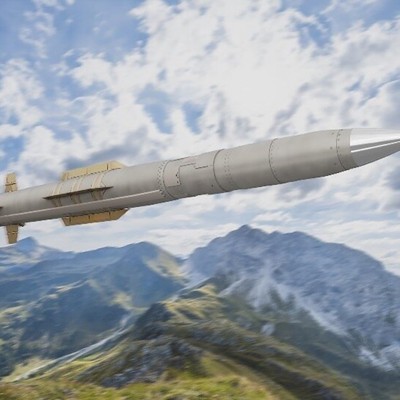
Lockheed वाढत्या मागणीच्या पार्श्वभूमीवर कमी किमतीच्या Patriot इंटरसेप्टरची मांडणी करत आहे
Lockheed Martin ने हवाई आणि क्षेपणास्त्र संरक्षणातील सर्वात स्पष्ट दबावांपैकी एकावर तोडगा काढण्यासाठी उद्देशित एक नवीन क्षेपणास्त्र संकल्पना मांडली आहे: उच्च दर्जाच्या इंटरसेप्टर्सची अतिप्रमाणात मागणी आणि सर्वात प्रगत स्तराखाली येणाऱ्या धोक्यांसाठी परवडणाऱ्या पर्यायांची कमतरता.
कंपनीने Farnborough International Airshow मध्ये जे तिने Adapted Capability Effector, किंवा ACE, असे म्हटले आहे ते सादर केले. यामागील मांडणी सरळ आहे. ACE हे Patriot प्रणालीच्या विद्यमान लाँचर आणि कमांड-आणि-कंट्रोल सॉफ्टवेअरसह काम करेल, पण सध्याच्या PAC-3 इंटरसेप्टरच्या तुलनेत कमी खर्चाचा रॉकेट मोटर, रडार आणि ऑनबोर्ड इलेक्ट्रॉनिक्स वापरेल. परिणामतः, Lockheed काही बॅलिस्टिक धोक्यांचा सामना करताना खर्च कमी करणारे, आणि तरीही स्थापित हवाई-प्रतिबंध संरचनेत बसणारे क्षेपणास्त्र सुचवत आहे.
हे महत्त्वाचे आहे, कारण Patriot साठ्यांवरील दबाव आता केवळ खरेदी प्रक्रियेतील एक किरकोळ मुद्दा राहिलेला नाही, तर एक धोरणात्मक प्रश्न बनला आहे. PAC-3 इंटरसेप्टर्सची मागणी वाढली आहे, कारण रशिया आणि इराण यांनी सक्रिय संघर्षांमध्ये बॅलिस्टिक क्षेपणास्त्रांचा वापर केला आहे, आणि त्याच वेळी मित्रदेश अधिक क्षमतेचा शोध घेत आहेत. विशेषतः युक्रेन हे या समस्येचे केंद्रीय उदाहरण बनले आहे: आधुनिक हवाई संरक्षणे काही सर्वात धोकादायक क्षेपणास्त्र हल्ले रोखू शकतात, पण इंटरसेप्टर स्वतः महाग आहे, उत्पादन मर्यादित आहे, आणि प्रत्येक येणाऱ्या लक्ष्याविरुद्ध सर्वोच्च दर्जाचा प्रतिसाद देणे आवश्यक नसते.
PAC-3 खालील पोकळीसाठी एक क्षेपणास्त्र
Lockheed चा युक्तिवाद असा नाही की ACE हे PAC-3 ची जागा घेईल. कंपनीने स्पष्ट केले आहे की हे नवीन क्षेपणास्त्र सर्वात प्रगत क्षेपणास्त्र धोक्यांविरुद्ध सध्याच्या इंटरसेप्टरपेक्षा कमी सक्षम असेल. त्याऐवजी, रशिया आणि इराण यांनी अलीकडील हल्ल्यांमध्ये वापरलेल्या प्रकारच्या, कमी-तंत्रज्ञानाच्या अल्प-पल्ल्याच्या बॅलिस्टिक क्षेपणास्त्रांसाठी स्वस्त शस्त्र तयार करणे हा या कल्पनेचा हेतू आहे.
हा भेद मुख्य आहे. क्षेपणास्त्र संरक्षण नियोजकांना दीर्घकाळ खर्च आणि क्षमतेतील विसंगतीचा सामना करावा लागला आहे: कमी किमतीचा, तयार-उपलब्ध पर्याय एकात्मिक नसल्यामुळे, बचावकर्त्याला तुलनेने सोप्या येणाऱ्या क्षेपणास्त्रावरही अत्यंत अत्याधुनिक आणि महागड्या इंटरसेप्टरचा वापर करावा लागतो. ACE ने जसे वर्णन केले आहे तसे कार्य केले, तर Patriot चालकांना त्यांच्या प्रीमियम इंटरसेप्टर्सना सर्वात कठीण लक्ष्यांसाठी राखून ठेवता येईल, आणि तरीही वेगवान, विनाशकारी अल्प-पल्ल्याच्या बॅलिस्टिक क्षेपणास्त्रांपासून संरक्षण करता येईल.
Lockheed Martin Missiles and Fire Control चे अध्यक्ष Tim Cahill यांनी ACE ला Patriot चा लाँचर आणि सॉफ्टवेअरचा कणा सामायिक करणारे, पण क्षेपणास्त्राच्या प्रमुख उपप्रणालींमध्ये खर्च कमी करणारे असे वर्णन केले. घोषणेसोबत उद्धृत विश्लेषकांनी परिचित खर्च-चालकांकडे, विशेषतः seeker कडे, लक्ष वेधले; सुलभ केलेल्या रचनेमुळे किंमत कमी होण्याची शक्यता असलेला हा एक महत्त्वाचा भाग आहे.
हे किरकोळ अभियांत्रिकी बदल नाही. क्षेपणास्त्र संरक्षणात seekers, guidance electronics आणि propulsion हे अनेकदा कार्यक्षमतेचा आणि खर्चाचा सर्वात तीव्र संगम असतात. सर्वात प्रगत लक्ष्यांविरुद्ध कामगिरीच्या गरजा सैल केल्यास, प्रणाली अजूनही ज्या धोक्यांना प्रत्युत्तर देण्यासाठी बनवली आहे त्यांच्याविरुद्ध ऑपरेशनल गरजा पूर्ण करत असल्यास, अधिक स्वस्त इंटरसेप्टरसाठी मार्ग खुला होऊ शकतो.
वेळेचे महत्त्व का आहे
ही घोषणा अशा काळात आली आहे, जेव्हा अल्प-पल्ल्याचे क्षेपणास्त्र संरक्षण पुन्हा एकदा लक्ष वेधून घेत आहे. ड्रोनविरोधी तंत्रज्ञान वेगाने विस्तारले आहे, आणि स्टार्टअप्स तसेच स्थापित संरक्षण कंपन्या लहान मानवरहित विमानांसाठी कमी किमतीची उत्तरे पुढे आणत आहेत. पण बॅलिस्टिक क्षेपणास्त्रांविरुद्ध संरक्षण हा वेगळ्या प्रकारचा प्रश्न आहे. वेग, मार्गक्रमण आणि संलग्नतेची वेळमर्यादा तांत्रिक अडथळा खूपच उंचावते.
याचमुळे ACE संकल्पना वेगळी ठरते. स्रोत साहित्यानुसार, Cahill यांनी स्पष्ट केले की हे क्षेपणास्त्र ड्रोनवर हल्ला करण्यासाठी नाही. याचा वापर अधिक मर्यादित आणि अधिक कठीण आहे: कमी-तंत्रज्ञानाच्या अल्प-पल्ल्याच्या बॅलिस्टिक क्षेपणास्त्रांना अडवणे, ज्यात ते प्रकारही समाविष्ट आहेत जे अतिवेगाने प्रवास करू शकतात आणि प्रतिस्पर्ध्याच्या शस्त्रागारातील सर्वात प्रगत शस्त्र नसतानाही मोठे नुकसान करू शकतात.
युक्रेनसाठी हा भेद विशेषतः महत्त्वाचा आहे. स्रोत लेखात अल्प-पल्ल्याच्या क्षेपणास्त्र संरक्षणाला अशा काही क्षेत्रांपैकी एक मानले आहे, जिथे कीव अजूनही अमेरिकेने पुरवलेल्या क्षमतेची जागा सहजपणे स्थानिक किंवा तात्पुरत्या पर्यायांनी घेऊ शकत नाही. ड्रोनविरोधी संरक्षणे तात्पुरती तयार केली जाऊ शकतात, बदलली जाऊ शकतात, आणि क्षेपणास्त्र संरक्षण ज्या प्रमाणात वाढवता येत नाही त्या प्रकारे वाढवता येतात. बॅलिस्टिक क्षेपणास्त्रांना अडवणे अजूनही मोजक्याच प्रगत प्रणाली, मर्यादित उत्पादन रेषा, आणि रातोरात वाढवता न येणाऱ्या पुरवठा साखळीवर अवलंबून आहे.
ती वस्तुस्थिती एखाद्या कंपनीच्या उत्पादन सादरीकरणाला व्यापक बाजार संकेतामध्ये रूपांतरित करते. उद्योग आणि सरकारे एकाच निष्कर्षाकडे येत आहेत: प्रत्येक धोक्यासाठी सर्वात उत्कृष्ट इंटरसेप्टरची गरज नसते, आणि केवळ सर्वात सक्षम क्षेपणास्त्रावर अवलंबून राहणे दीर्घकालीन, उच्च-तीव्रतेच्या परिस्थितीत आर्थिकदृष्ट्या आणि औद्योगिकदृष्ट्या अस्थिर आहे.
औद्योगिक आणि धोरणात्मक बदल
म्हणून ACE चे महत्त्व तांत्रिक जितके आहे तितकेच औद्योगिकही आहे. Patriot परिसंस्था आधीच वापरात आहे, ऑपरेटरांना परिचित आहे, आणि मित्रदेशांच्या संरक्षण नियोजनात एकात्मिक आहे. नवीन लाँचर किंवा पूर्णपणे नवीन कमांड रचना न मागता त्या परिसंस्थेत बसणारे क्षेपणास्त्र, कमी किमतीचे असले तरी नवे पायाभूत बांधकाम किंवा ऑपरेशनल मान्यतेकडे लांब मार्ग मागणाऱ्या स्वतंत्र संकल्पनांपेक्षा स्पष्ट फायदा देते.
सरकारे वेगाने पुढे गेल्यास ही सुसंगतता महत्त्वाची ठरू शकते. विद्यमान Patriot वापरकर्त्यांना नव्याने सुरुवात करावी लागणार नाही. ते त्यांच्या आधीच मालकीच्या आणि प्रशिक्षण घेतलेल्या प्रणालीमध्ये, मिशनच्या गरजा पूर्ण करणारा कमी-किमतीचा इंटरसेप्टर आहे का, याचे मूल्यमापन करतील. उत्पादन वेळापत्रक आणि तैनातीचे वेळापत्रक कच्च्या क्षमतेइतकेच महत्त्वाचे ठरत असताना, हा एक अर्थपूर्ण विक्री-बिंदू आहे.
हे क्षेपणास्त्र संरक्षणाविषयी बोलण्याच्या व्यापक पद्धतीतील बदलाचेही प्रतीक आहे. वर्षानुवर्षे चर्चेचा भर अनेकदा उत्कृष्ट कामगिरी, अपवादात्मक धोक्यांचे स्वरूप, आणि इंटरसेप्शनच्या तांत्रिक प्रतिष्ठेवर होता. नव्याने सुरू झालेली चर्चा अधिक उपयुक्ततावादी आहे. किती इंटरसेप्टर्स तयार करता येतील? त्यांची किंमत किती आहे? कोणती लक्ष्ये प्रत्यक्षात सर्वात महागड्या शॉटची पात्रता सिद्ध करतात? कारखाने ती भरून काढण्यापूर्वी साठा संपला तर काय?
ACE ही या प्रश्नांची थेट उत्तरे आहे, जरी ती अजून प्रस्तावाच्या टप्प्यात असली तरी. ती मान्य करते की मुख्य आव्हान आता फक्त क्षेपणास्त्र अडवता येते का, एवढेच नाही, तर दीर्घ संघर्षात राष्ट्रे ती अडवणूक मोठ्या प्रमाणावर परवडू आणि टिकवू शकतात का, हे आहे.
अजूनही काही अनुत्तरित मुद्दे आहेत. Lockheed चे सादरीकरण स्वतःहून उत्पादन वेळापत्रक, खरेदीची बांधिलकी, किंवा प्रत्यक्ष कामगिरी स्पष्ट करत नाही. तसेच, संकल्पनेत अंतर्भूत असलेला तडजोडीचा मुद्दा दूर करत नाही: सर्वात प्रगत क्षेपणास्त्रांविरुद्ध कमी क्षमता स्वीकारून खर्च कमी करणे. कोणत्याही खरेदीदाराला हा विनिमय त्याच्या अपेक्षित धोक्यांच्या वातावरणासाठी योग्य आहे का, हे ठरवावे लागेल.
तरीही, कारण स्पष्ट आहे. युनायटेड स्टेट्स, युक्रेन आणि मित्रदेशांचे Patriot ऑपरेटर्सना अधिक संरक्षणात्मक खोलीची गरज आहे. त्यांना वेगवान बॅलिस्टिक धोक्यांविरुद्ध विश्वासार्ह असलेली, पण फक्त सर्वाधिक मागणी असलेल्या परिस्थितीसाठीच किंमत व अभियांत्रिकी केलेली नसलेली क्षमता हवी आहे. Lockheed ACE सह हीच जागा व्यापण्याचा प्रयत्न करत आहे.
जर ही संकल्पना पुढे गेली, तर ती क्षेपणास्त्र संरक्षण खरेदीतील अधिक महत्त्वपूर्ण बदलांपैकी एक ठरू शकते: उच्चभ्रू इंटरसेप्टर्सची जागा घेणारी नाही, तर आता काल्पनिक नसून प्रत्यक्ष युद्धांना आकार देणाऱ्या हल्ल्यांच्या प्रकारांसाठी एक व्यवहार्य दुसरी थर.
हा लेख Defense One च्या अहवालावर आधारित आहे. मूळ लेख वाचा.
Originally published on defenseone.com