इमारती तोडण्यासाठी नव्हे, तर उघडून पुन्हा उभारण्यासाठी डिझाइन करणे
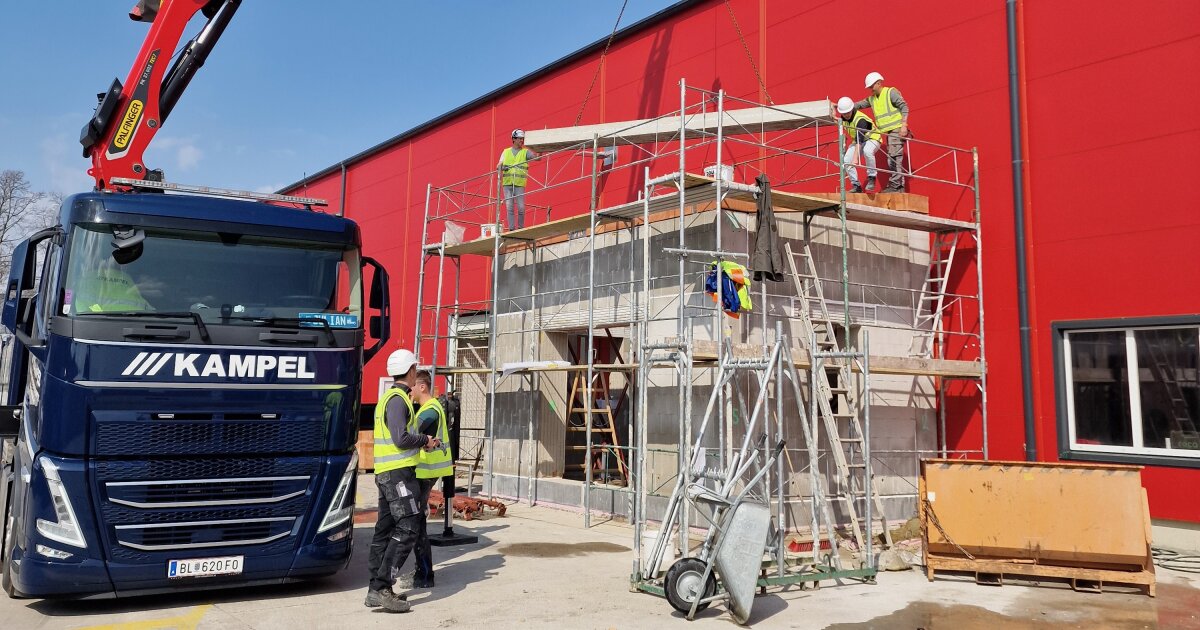
ऑस्ट्रियातील Graz University of Technology येथील संशोधक brick construction ला permanent demolition-bound mass म्हणून न पाहता reusable parts चा एक kit म्हणून पाहणाऱ्या building system वर काम करत आहेत. त्यांचा concept prefabricated brick wall elements ला reversible joints द्वारे जोडतो, ज्यामुळे structures त्यांच्या service life च्या शेवटी चुरडून waste करण्याऐवजी dismantle करून पुन्हा उभारता येतात.
ही कल्पना एका मोठ्या materials समस्येला हात घालते. source text नुसार, construction आणि demolition waste यांचा Europe मध्ये तयार होणाऱ्या एकूण waste मध्ये एक-तृतीयांशाहून अधिक वाटा आहे. पारंपरिक brick construction या ओझ्यात भर घालते, कारण conventional mortar मुळे reuse अत्यंत कठीण होते.
एक-दिशात्मक construction ला circular पर्याय
TU Graz टीमचा proposal संकल्पनात्मकदृष्ट्या साधा आहे: buildings जर उघडता आली, तर त्यांच्या मुख्य components पुन्हा वापरता येतील. source मध्ये दिलेली तुलना Lego model सारखी आहे, जो उघडून त्याच parts वापरून दुसरीकडे पुन्हा बांधता येतो.
हे शक्य करण्यासाठी संशोधकांनी permanent bonding ऐवजी reversible joints वापरले. सध्याच्या public description मध्ये joint design चे अनेक technical details उघड केलेले नाहीत, आणि माहिती अजून मर्यादित आहे असे source स्पष्टपणे नमूद करते. तरीही, broader system architecture प्रकल्पाचे महत्त्व दाखवण्यासाठी पुरेशी स्पष्ट आहे.
Wall elements prefabricated आहेत, 44 centimeters जाड आहेत, आणि thermal performance सुधारण्यासाठी insulating wool समाविष्ट करतात. त्यांना factory मध्येच pre-plastered केलेले आहे, ज्यामुळे site वरील काम कमी होऊ शकते.

खरा उद्देश embodied carbon आहे
ही innovation फक्त waste reduction बद्दल नाही. ती embodied emissions बद्दलही आहे. नवीन bricks आणि materials तयार करणे, त्यांची transport करणे, आणि विद्यमान structures पाडणे या प्रत्येकाचा carbon cost असतो. मोठे wall elements अनेक building cycles टिकू शकले, तर ते emissions पुन्हा पुन्हा नव्याने देण्याऐवजी repeated use मध्ये विभागता येतील.
TU Graz च्या Institute of Building Physics, Services and Construction मधील project manager Hans Hafellner यांनी सांगितले की नवीन jointing solution मुळे reuse केल्यास वापराच्या दुसऱ्या टप्प्यात एकूण emissions चा लक्षणीय भाग टाळता येऊ शकतो, असे आतापर्यंतचे परिणाम सूचित करतात. तीन life cycles विचारात घेतल्यास, टीमचे म्हणणे आहे की conventional construction methods च्या तुलनेत CO2 emissions सुमारे 60% ने कमी होऊ शकतात.
हा आकडा महत्त्वाचा आहे, कारण तो किरकोळ efficiency gains पलीकडे जातो. assembly methods पुन्हा डिझाइन केल्यास masonry construction चा संपूर्ण environmental profile बदलू शकतो, असे तो सूचित करतो.
पुढील व्यावहारिक आव्हान
वचन मजबूत असले तरी काही प्रश्न अजूनही उरतात. source मध्ये नमूद केले आहे की reversible joints बद्दलची तपशीलवार technical information अद्याप सार्वजनिक केलेली नाही. त्यामुळे structural durability, weather resistance, code compliance, आणि labor demands यांसारख्या मुद्द्यांचे अधिक स्पष्टीकरण market-ready म्हणण्यापूर्वी आवश्यक आहे.
तरीही, हा concept बांधकामविषयक विचारातील व्यापक बदलाशी जुळतो: materials फक्त इमारत वापरात असताना कसे काम करतात यासाठी नव्हे, तर त्या वापराचा शेवट झाल्यावर काय होते यासाठीही निवडले पाहिजेत. त्या अर्थाने, TU Graz चे काम circular building systems कडे चाललेल्या वाढत्या प्रयत्नांचा भाग आहे.
हा approach scale झाला, तर त्याचा परिणाम emissions accounting पलीकडे जाईल. recovery आणि reuse साठी डिझाइन केलेला building stock demolition practice, materials logistics, आणि renovation आणि relocation यांची अर्थव्यवस्था देखील बदलू शकतो.
- TU Graz ने reversible connections ने जोडलेले prefabricated brick wall elements विकसित केले आहेत
- ही system demolition waste ऐवजी dismantling आणि full reuse शक्य करण्यासाठी आहे
- Wall elements 44 centimeters जाड असून insulating wool समाविष्ट करतात
- टीमचे म्हणणे आहे की तीन life cycles मध्ये CO2 emissions सुमारे 60% ने कमी होऊ शकतात
This article is based on reporting by New Atlas. Read the original article.
Originally published on newatlas.com