The Air Force is testing how fast it can operationalize a fighter drone
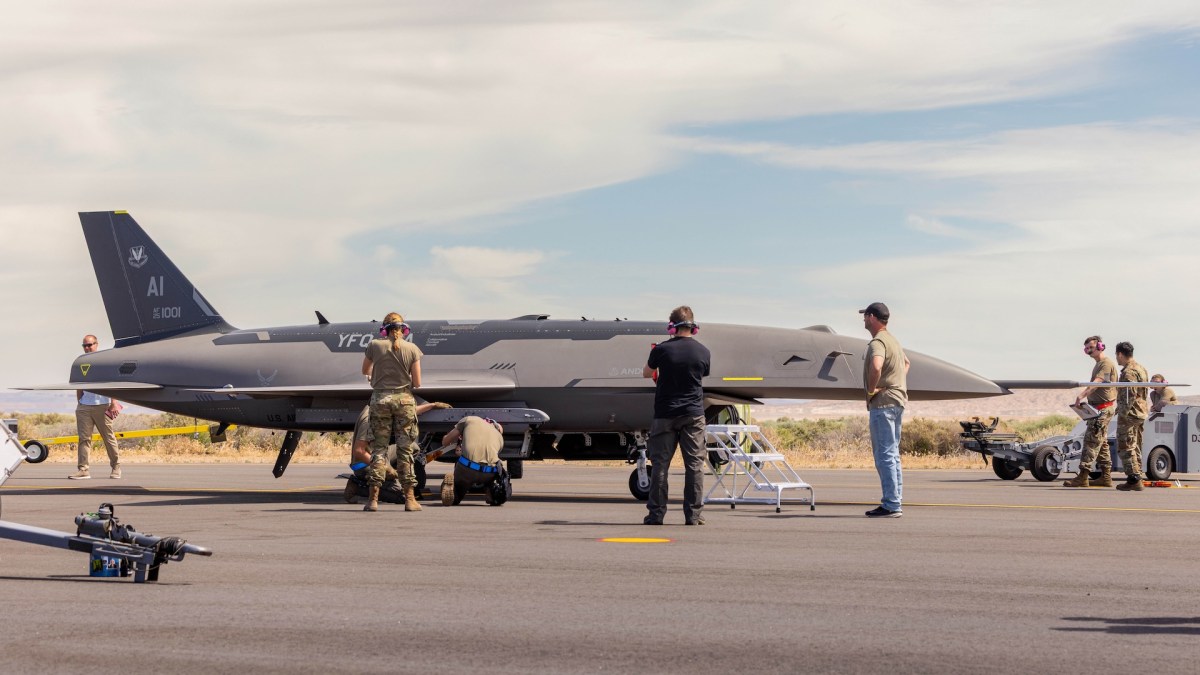
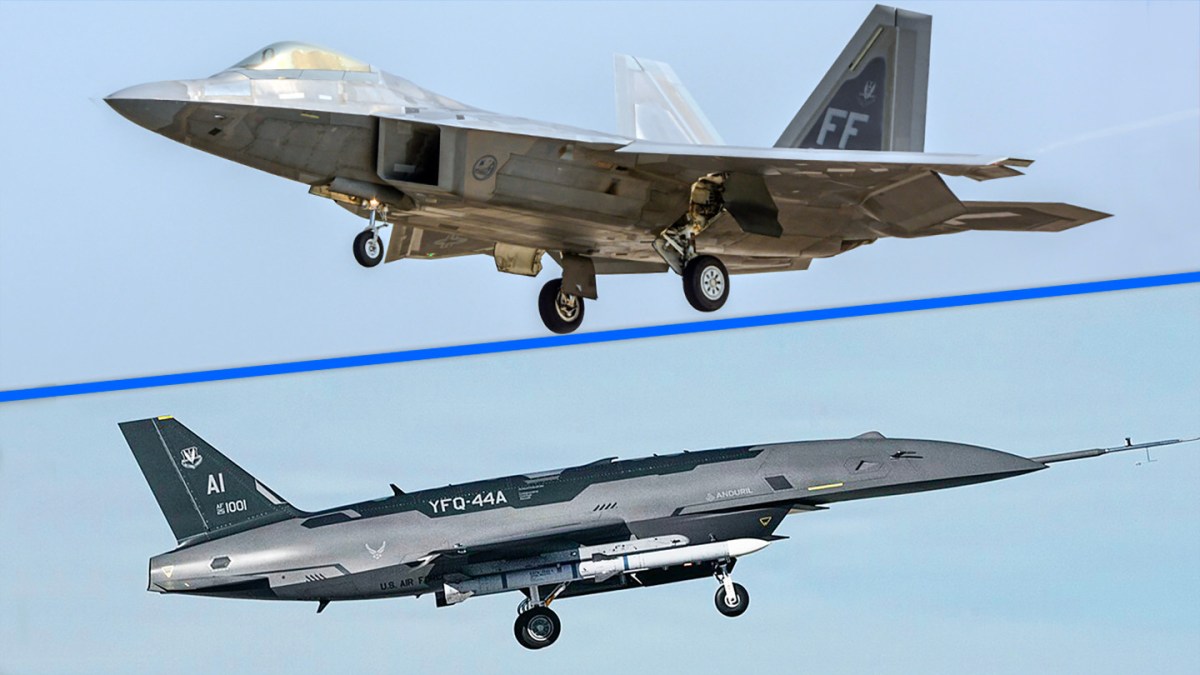
The U.S. Air Force says it has completed a critical exercise involving Anduril’s YFQ-44 Fury prototype, a collaborative combat aircraft designed to operate in contested environments. The exercise, conducted with the service’s Experimental Operations Unit and elements of the 412th Test Wing at Edwards Air Force Base, was not just about flying the aircraft. It was about testing how rapidly the Air Force can integrate, deploy, and sustain this kind of system in conditions that resemble real operational pressure.
That framing is important. The candidate material describes the event as part of an effort to accelerate fielding, with an emphasis on learning from operators early rather than waiting for a perfectly finished system. One quote in the source captures the philosophy bluntly: an 85 percent solution in the hands of a warfighter today is better than a 100 percent solution that never arrives.
What happened in the exercise
According to the extracted source text, the YFQ-44A flew from Edwards Air Force Base to Anduril’s Southern California test site, and multiple sorties were flown as part of the broader exercise. The event brought together Air Combat Command’s Experimental Operations Unit and the 412th Test Wing, the Edwards-based organization responsible for flight testing across much of the Air Force inventory.
The exercise focused on how collaborative combat aircraft, or CCAs, can be deployed and supported in a contested environment. That means the Air Force was looking beyond raw airworthiness and into questions of logistics, sustainment, tactics, and operational concept. Those are the details that often slow programs down even after an aircraft can fly.
Why CCAs matter
The Air Force sees collaborative combat aircraft as a way to extend sensor coverage, add combat mass, and give crewed aircraft more flexible support in high-end conflicts. They are not just unmanned aircraft in the generic sense. The concept is tied to the idea of affordable, adaptable systems that can operate alongside traditional fighters and help spread risk across a larger force package.
In that context, the YFQ-44 Fury is important as more than a prototype. It is a test case for whether the service can build a faster acquisition and deployment loop around autonomous or semi-autonomous combat aircraft.
Speed as a doctrine, not just a schedule
The candidate text points to a Warfighting Acquisition System intended to speed collaborative combat aircraft deployment and let operators refine tactics earlier. That indicates the Air Force is trying to treat operational experimentation as part of fielding, not as a separate phase that occurs after years of development.
This is a meaningful shift in emphasis. Traditional acquisition systems often reward maturity and paperwork before operational experimentation. The model described here appears to accept more iterative learning in exchange for faster real-world utility. That does not remove risk, but it changes where the service wants that risk to sit.
Operational implications
The mention of autonomous operations from a simulated forward base aligns the exercise with Agile Combat Employment concepts, in which forces disperse, relocate, and sustain operations under threat. If CCAs can be launched, recovered, and maintained under those conditions, they become much more relevant to the Pacific and other theaters where fixed infrastructure may be vulnerable.
That is why this exercise matters beyond the aircraft itself. It tests whether the Air Force can make collaborative combat aircraft part of a practical combat system rather than a lab demonstration.
A sign of where the program is heading
The YFQ-44 Fury test does not mean rapid fielding is guaranteed. But it does show the Air Force is pushing to collapse the gap between prototype activity and operational relevance. By running a contested-operations exercise now, the service is gathering evidence about sustainment, basing, and tactics while the aircraft is still early in its life cycle.
For a program area as strategically important as CCAs, that is a strong signal. The Air Force is not only evaluating whether the YFQ-44 can fly. It is evaluating whether it can matter soon enough to shape near-term combat capability. In a procurement environment increasingly defined by urgency, that may be the most important test of all.
This article is based on reporting by twz.com. Read the original article.
Originally published on twz.com