A Dramatic Escalation in the Iran War
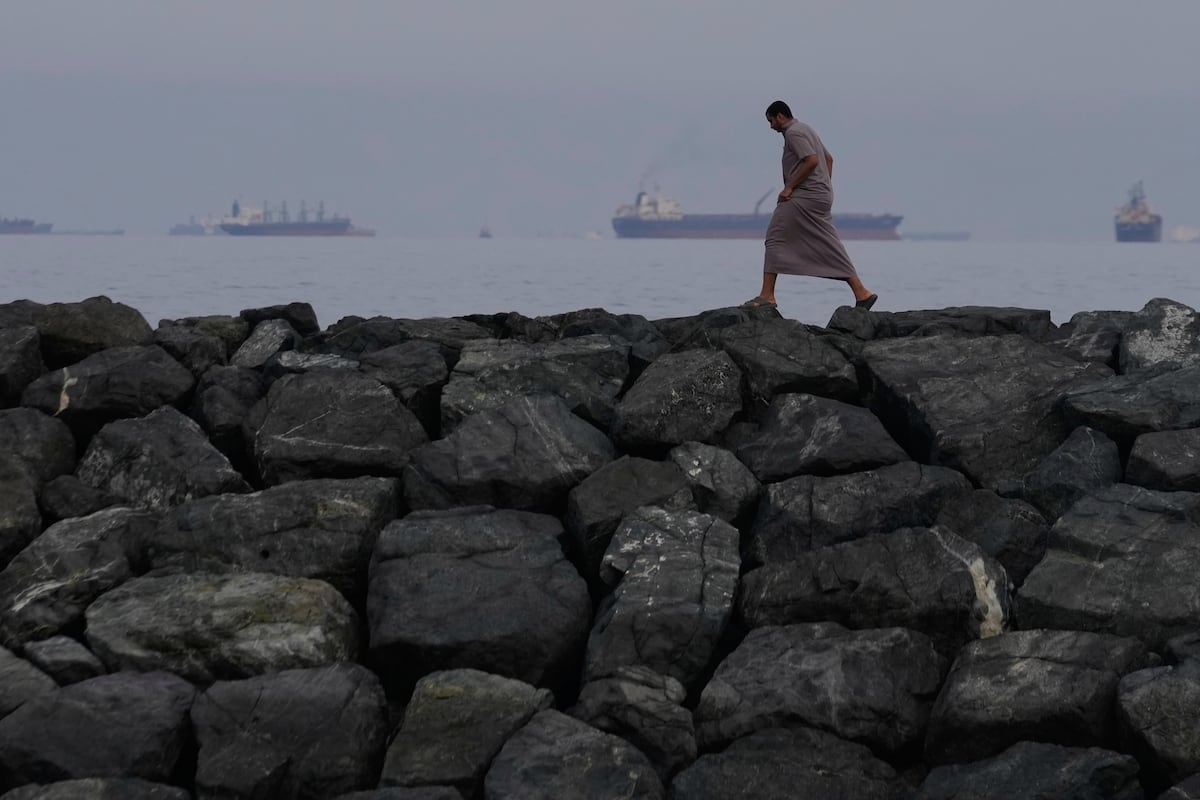
President Donald Trump announced that US Central Command had executed a massive bombing raid on Iran's Kharg Island, obliterating every military target on what he called Iran's crown jewel. The strike represents the most aggressive US military action taken to ease the global oil supply crisis created by Iran's blockade of the Strait of Hormuz, through which approximately 20 percent of the world's traded petroleum and liquefied natural gas normally flows.
Trump said the raid was a warning. He deliberately spared the oil processing infrastructure on Kharg Island — which handles a substantial portion of Iran's oil exports — but warned Tehran that continued interference with shipping would change his calculus. The president said that should Iran or anyone else interfere with the free and safe passage of ships through the Strait of Hormuz, he would immediately reconsider that decision.
Iran's Blockade Strategy and the Oil Price Shock
The conflict began on February 28 with coordinated US and Israeli strikes on Iran, launched during indirect nuclear negotiations. Since then, Iran's Islamic Revolutionary Guard Corps has systematically attacked commercial shipping in the Persian Gulf, claiming responsibility for attacks on more than a dozen vessels. Iran's newly elevated Supreme Leader, Mojtaba Khamenei — elevated after his father Ayatollah Ali Khamenei was killed in the February attacks — declared the Strait of Hormuz a lever for pressuring adversaries.
The economic consequences have been severe. Brent crude oil futures have surged past $100 per barrel for the first time since 2022, up from approximately $70 before the war began. The International Energy Agency announced plans to release nearly 412 million barrels of emergency oil stocks to global markets — described as by far the largest emergency release in the organization's history — to dampen the price spike.
The Asymmetric Naval Threat
Iran's strategy relies on layered asymmetric naval warfare. The IRGC can draw on fast-attack boats capable of reaching 50 knots, unmanned surface vessels, shore-based missile batteries, aerial drones, and a substantial mine arsenal estimated at between 5,000 and 6,000 weapons. The mine types include limpet mines affixed directly to hulls, moored contact mines, and bottom mines that detonate upon detecting a vessel overhead.
Retired Navy Captain Bill Hamblet described the challenge facing any mine-clearing operation: finding the mines and clearing them is a slow, methodical, mechanical process — and protecting the mine-clearing operation from additional threats including fast-attack craft, missiles, and drones while sweeping mines creates an extraordinarily complex operational environment. Secretary of Defense Pete Hegseth acknowledged there is no clear evidence Iran has placed new mines in the Strait itself, though the threat remains latent and credible.
Trump's Coalition-Building Effort
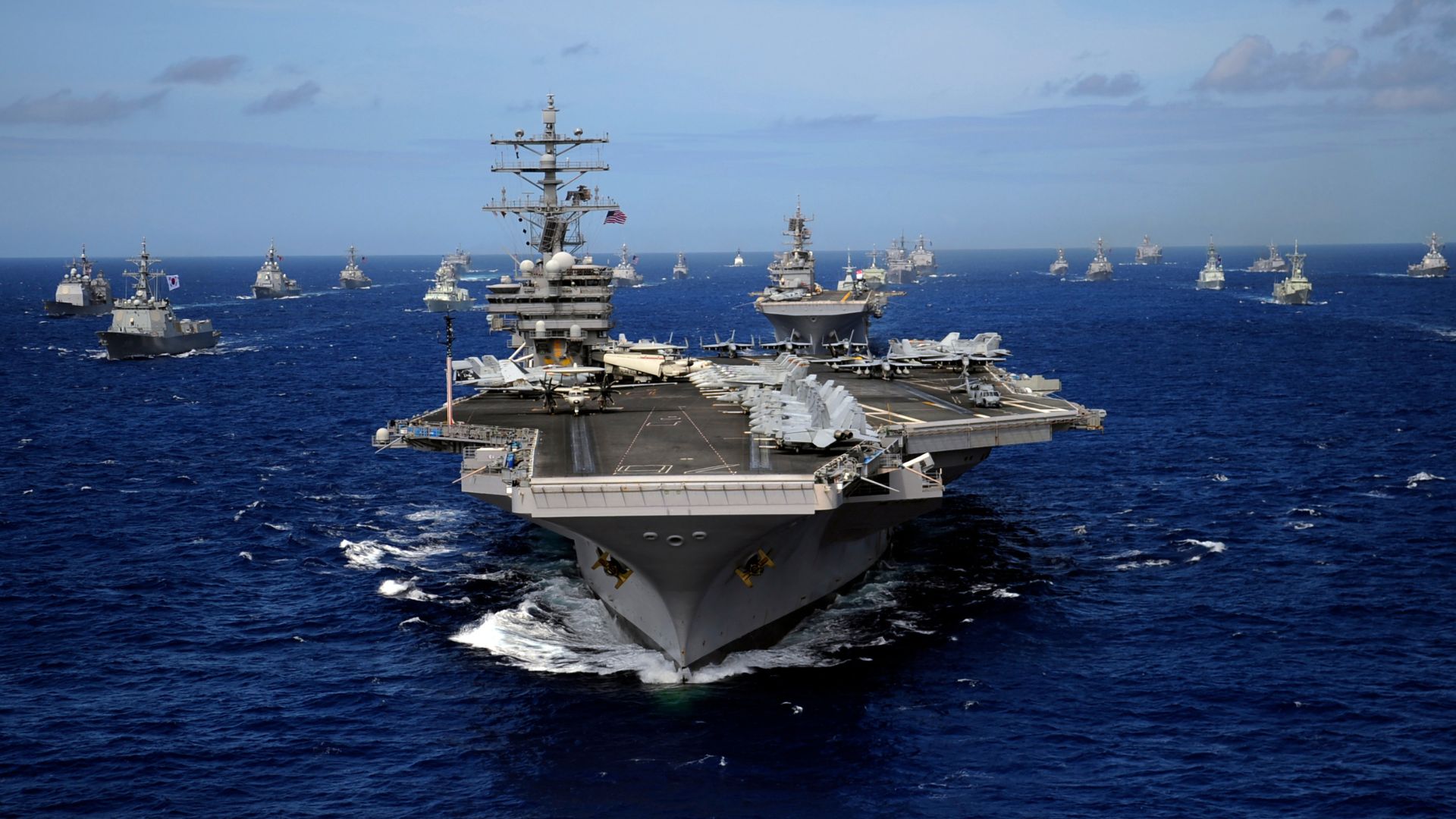
Alongside the military strikes, Trump disclosed he has been pressing approximately seven countries to send warships to help keep the Strait open. He specifically named China, France, Japan, South Korea, and Britain as targets of his diplomatic pressure campaign, noting that China receives approximately 90 percent of its oil via the Strait.
The responses have been cautious. Britain confirmed conversations with Trump but made no commitment to put aircraft carriers in harm's way. China's embassy said Beijing would strengthen communication with relevant parties for de-escalation. South Korea said it would closely review the situation. France indicated it was working on a possible international escort mission but stressed it must wait until conditions permit. Germany stated flatly it would not become an active part of the conflict.
Iran's Diplomatic Position
Iran's Foreign Minister Abbas Araghchi told CBS that Tehran had been approached by several countries seeking safe passage for their vessels, and some had been allowed through on a case-by-case basis. He was clear that Iran sees no reason to negotiate directly with the United States, attributing the conflict's origins to the February US-Israeli strikes. He also disclosed that Iran has no plans to recover the enriched uranium buried under rubble from those attacks.
The standoff represents a test of whether military escalation or coalition-building can reopen one of the world's most critical maritime chokepoints — and whether the global economy can sustain a prolonged disruption to the 20 percent of petroleum trade that flows through the Strait of Hormuz.
This article is based on reporting by Defense News. Read the original article.
Originally published on defensenews.com