Shipping security is now the center of a growing military confrontation
The U.S. military said it destroyed six Iranian small boats and intercepted Iranian cruise missiles and drones on May 4 as Washington launched a major operation aimed at keeping commercial traffic moving through the Strait of Hormuz. The account, delivered by Admiral Brad Cooper of U.S. Central Command, marks a sharp escalation around one of the world’s most strategically important maritime chokepoints.
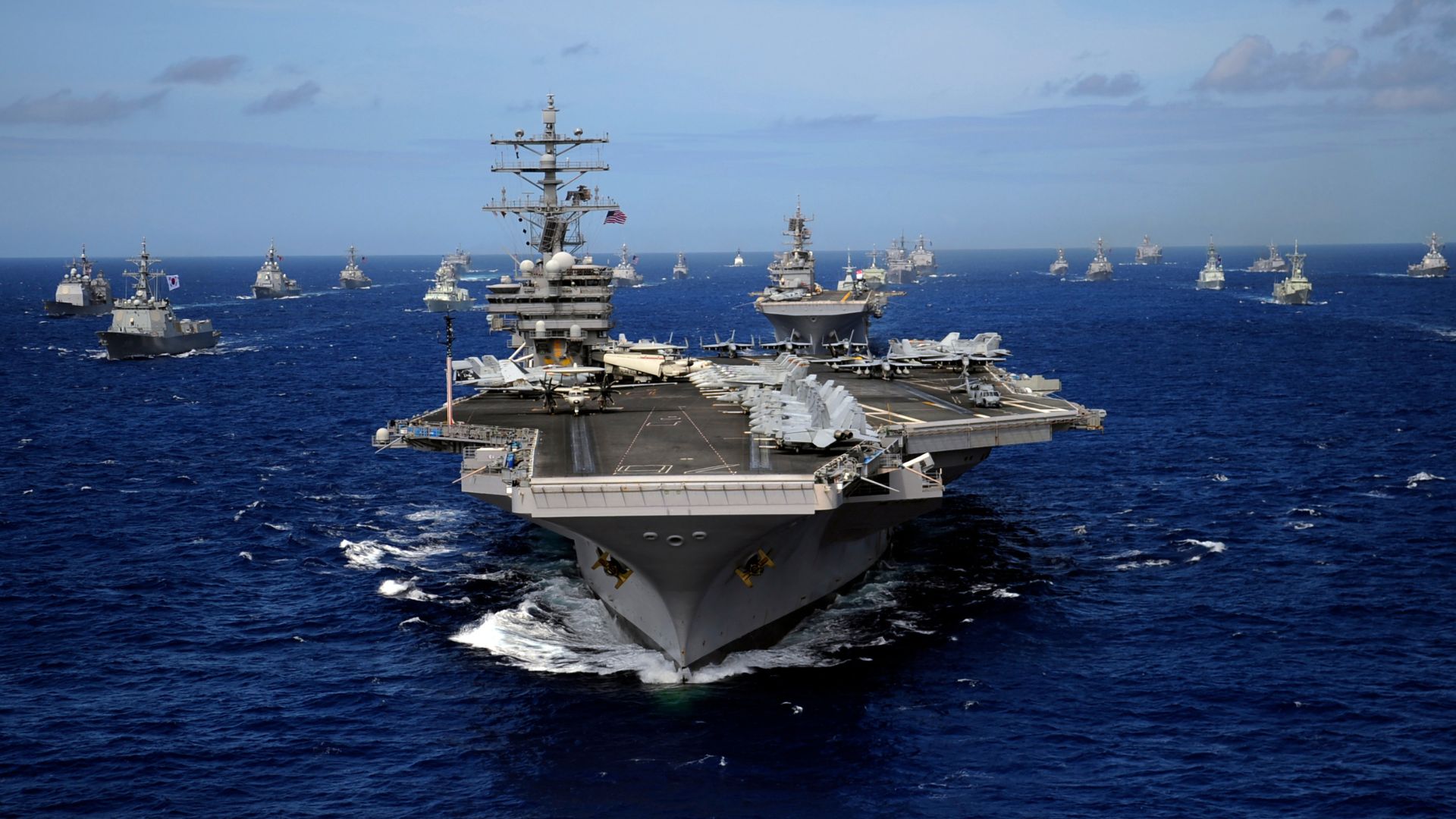
According to Cooper, the Islamic Revolutionary Guard Corps attempted to interfere with the U.S. operation by launching multiple threats at ships under American protection. He said U.S. forces defeated each of those threats through defensive action. The operation itself is substantial in scale. Cooper said it involved 15,000 U.S. troops, Navy destroyers, more than 100 land- and sea-based aircraft, and undersea assets.
The message from CENTCOM was twofold: the United States intends to keep shipping lanes open, and it is prepared to use force quickly against Iranian interference. That combination raises the possibility that a mission framed as maritime protection could become the staging ground for a broader military confrontation if attacks continue.
The Strait of Hormuz remains a pressure point for the global economy
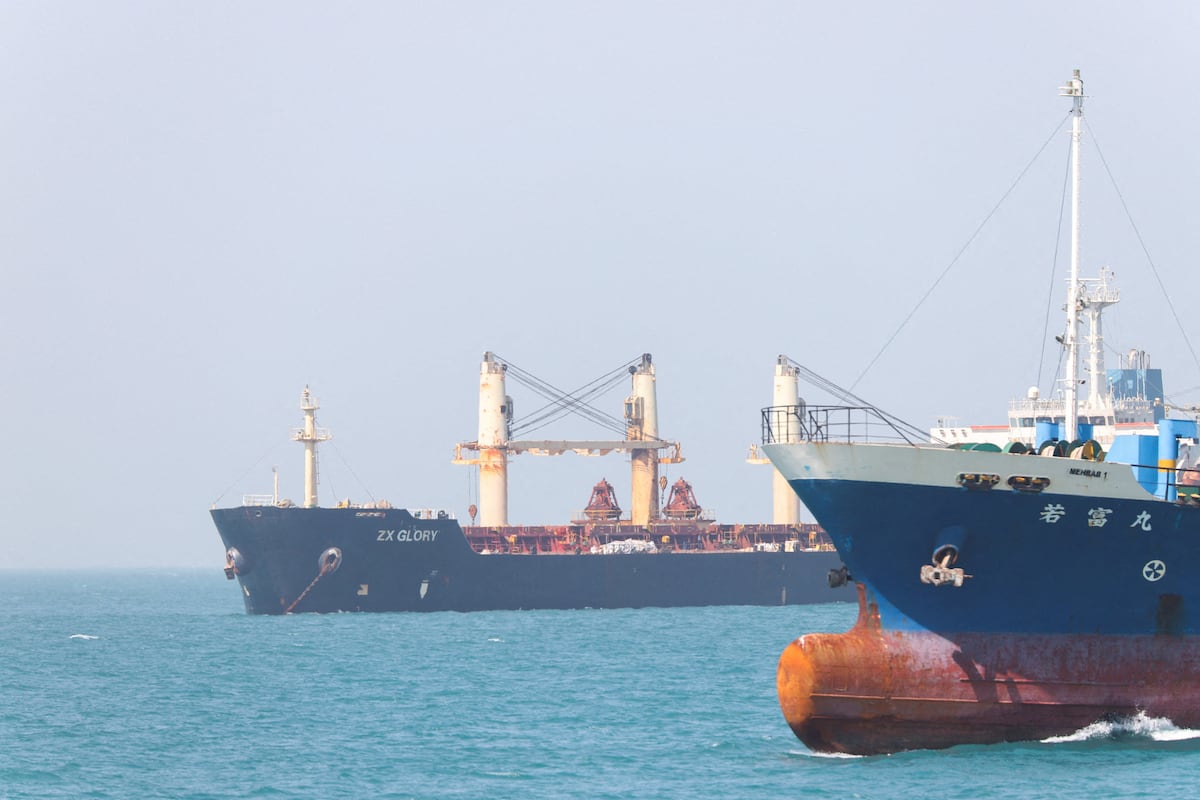
The strait’s importance is difficult to overstate. It is one of the most sensitive waterways in the world for energy and commercial shipping. Any military action there immediately carries consequences beyond the battlefield, affecting freight risk, insurance, and expectations around oil markets. Even when vessels are not sunk or infrastructure is not severely damaged, the perception of insecurity in the passage can ripple across global supply chains.
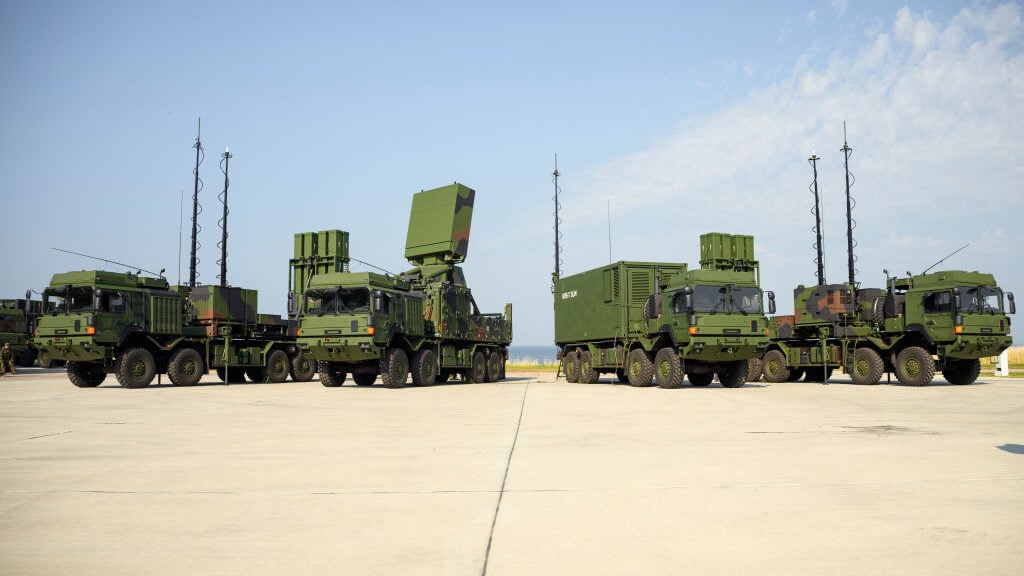
That is why the structure of the U.S. operation matters. Cooper said the United States was not using traditional one-to-one escorts. Instead, he described a broader, layered defensive arrangement combining ships, helicopters, aircraft, and electronic warfare. In his telling, this provides more protection than a conventional escort model because it builds a wider defensive umbrella rather than assigning a single guard to a single ship.
The distinction is operationally important. A layered defense allows U.S. forces to monitor and respond across a wider battlespace, especially against varied threats such as small boats, drones, and cruise missiles. It also signals that Washington is treating the challenge as a contested maritime environment rather than a narrow convoy problem.
Ceasefire ambiguity is giving way to active conflict
Cooper declined to say whether the ceasefire that began on April 8 remained in effect. That hesitation is revealing. It suggests that, whatever its formal status, the operational reality in and around the strait is now one of live confrontation. If Iranian forces are launching missiles, drones, and small boats against protected shipping and U.S. forces are destroying those platforms in response, the distinction between ceasefire erosion and renewed conflict becomes increasingly academic.
Iran’s small boats have long been a concern in Gulf security calculations because they can harass, swarm, or threaten commercial and military vessels in confined waters. Cooper argued that the day’s destruction of six boats showed meaningful degradation in that threat. But even if one tactic is weakened, the report makes clear that missiles and drones remain active tools of Iranian pressure.
That means the risk environment is mixed. Some capabilities may be reduced in the short term, while others continue to impose danger and uncertainty. For commercial shipping, the relevant fact is not whether every threat is equal, but whether enough threat remains to alter routing decisions or operating costs.
A blockade remains in place
Cooper also said a U.S. blockade of Iran remains in effect, preventing ships from traveling to Iran or departing Iranian territory, and that the measure is exceeding expectations. That statement adds another layer to the confrontation. The United States is not only defending maritime passage for selected traffic; it is simultaneously trying to constrain Iranian movement and economic access.
Blockade conditions and shipping protection missions can reinforce each other militarily while also increasing the chance of repeated encounters. The denser the overlap between enforcement, deterrence, and active defense, the greater the opportunity for incidents to multiply. In a waterway as politically loaded as the Strait of Hormuz, even tactical engagements can acquire strategic meaning quickly.
What comes next depends on whether deterrence holds
The immediate U.S. aim is clear: maintain commercial movement and demonstrate that attacks on protected shipping will fail. The harder question is whether this posture deters further Iranian action or instead produces a new cycle of retaliation. Cooper said commanders on the scene have all authority necessary to defend their units and commercial shipping. That statement is meant to project confidence. It also means local decisions could have outsized consequences if the pace of engagements increases.
For now, the operation has moved beyond signaling into direct combat activity. Small boats have been destroyed. Missiles and drones have been intercepted. A massive U.S. force package is already in motion. The Strait of Hormuz has once again become the place where military tactics, global commerce, and geopolitical rivalry intersect most visibly.
Whether the next phase is stabilization or wider escalation will depend on what Tehran does next and whether Washington’s layered defense persuades Iranian forces that the cost of continued interference is too high. Until that becomes clear, one of the world’s most vital shipping corridors will remain exposed to the kind of military friction that can reshape markets and policy far beyond the Gulf.
This article is based on reporting by Defense News. Read the original article.
Originally published on defensenews.com