Washington widens the battlefield at sea
The U.S. military says it has begun enforcing a blockade of Iranian Gulf ports and coastal areas, a major escalation that expands maritime restrictions well beyond the Strait of Hormuz. According to U.S. Central Command, the blockade began at 10:00 a.m. ET and will apply to vessels of all nations entering or departing Iranian ports and coastal areas, including Iranian ports on the Arabian Gulf and the Gulf of Oman.
The announcement marks a sharp shift in the maritime dimension of the war. Earlier focus centered on Hormuz, the strategic chokepoint through which a large share of regional shipping normally passes. But the new move extends enforcement to the entirety of Iran’s relevant coastline, signaling that the United States is attempting to control not just transit through the strait but maritime access linked directly to Iranian ports.
CENTCOM said the blockade would be enforced impartially and that neutral shipping to and from non-Iranian ports would not be impeded while transiting the Strait of Hormuz. That carveout is central to the U.S. message: isolate Iranian maritime traffic while avoiding a blanket closure of one of the world’s most sensitive shipping corridors.
The operational picture
Details released so far suggest a broad but still developing enforcement framework. Reuters reported that seafarers received a warning stating that any vessel entering or departing the blockaded area without authorization would be subject to interception, diversion, and capture. That language indicates the U.S. is not framing the measure as a mere advisory or show of force. It is presenting it as a coercive, enforceable maritime regime.
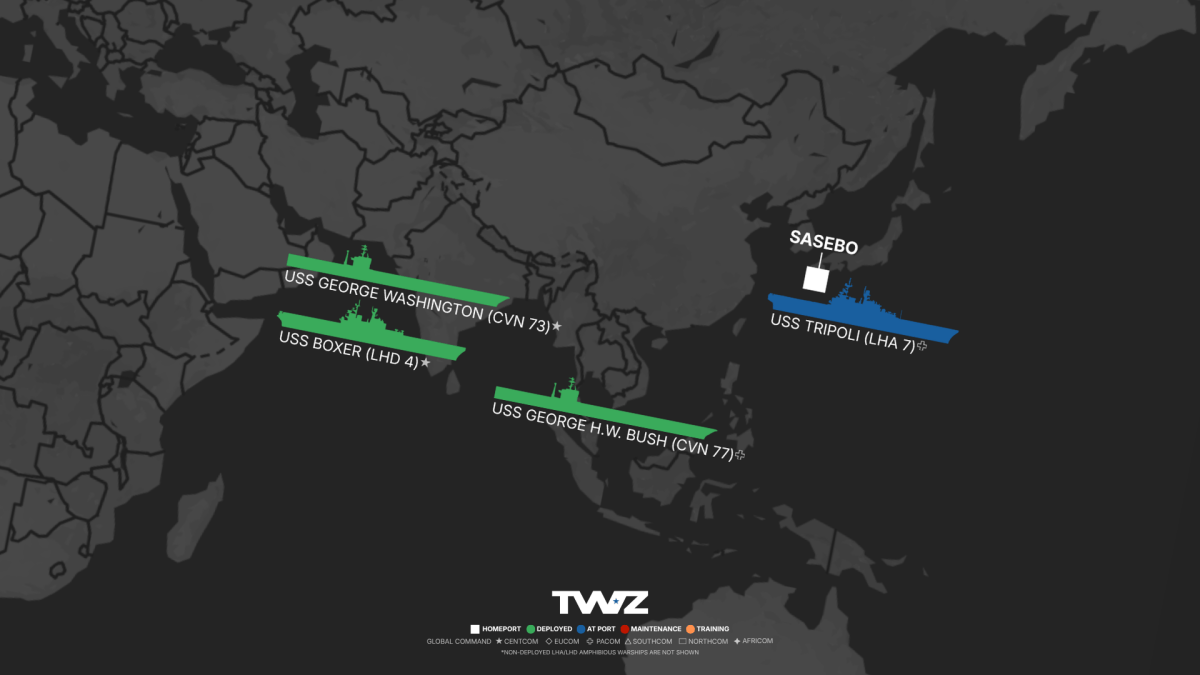
The Wall Street Journal reported that more than 15 U.S. warships are currently involved in the operation. CENTCOM has not publicly detailed the full force package or exactly how the blockade will be enforced across such a large coastal area, but the scale implied by that reporting suggests a sustained naval posture rather than a symbolic declaration.
The U.K. Maritime Trade Operations center has also issued guidance to ships, underscoring that the measure is already affecting the wider maritime risk environment. The restrictions, as described in the source text, encompass the entire Iranian coastline, including ports and energy infrastructure. Even if neutral transit is formally protected, commercial operators now have to navigate a much more complex and potentially dangerous operating picture.

Context: from truce to escalation
The blockade follows failed negotiations between the two sides after a conflict that began on February 28 and is described in the source material as currently being under a two-week truce. That timing matters. Rather than signaling de-escalation, the maritime move suggests the United States is using the truce period to impose a new layer of pressure after talks failed to produce a settlement.
The source text also says Iran had already effectively shut the Strait of Hormuz to the vast majority of maritime traffic in response to U.S.-Israeli strikes. Against that backdrop, the American blockade appears designed to both answer that disruption and structure it on Washington’s terms. The U.S. is attempting to preserve non-Iranian transit through Hormuz while denying Iran the ordinary use of its own maritime outlets.
This distinction is strategically important. Closing the strait outright would intensify global economic shock and potentially isolate neutral shipping. A blockade of Iranian ports seeks a more selective form of pressure, though the risks of spillover remain high.
What the blockade is trying to achieve
The immediate objective appears straightforward: sever or sharply constrain Iran’s maritime access without formally halting all passage through Hormuz. If successful, that would pressure Iran economically, complicate logistics, and reduce the freedom of movement of shipping directly tied to Iranian ports.
But the move also carries a signaling function. By announcing an “impartial” blockade covering all nations’ vessels entering or leaving Iranian ports, CENTCOM is effectively warning international shipping that commercial neutrality will not shield unauthorized traffic linked to Iran’s coast. That is a significant message to shipowners, insurers, port operators, and cargo interests.
At the same time, saying non-Iranian transit through Hormuz remains protected is meant to reassure markets and allies that the U.S. does not intend to shut the wider waterway. Whether the maritime industry finds that assurance sufficient is another matter. In practice, risk calculations can change faster than official guidance, especially when interception and capture are explicitly on the table.

The commercial and security risks
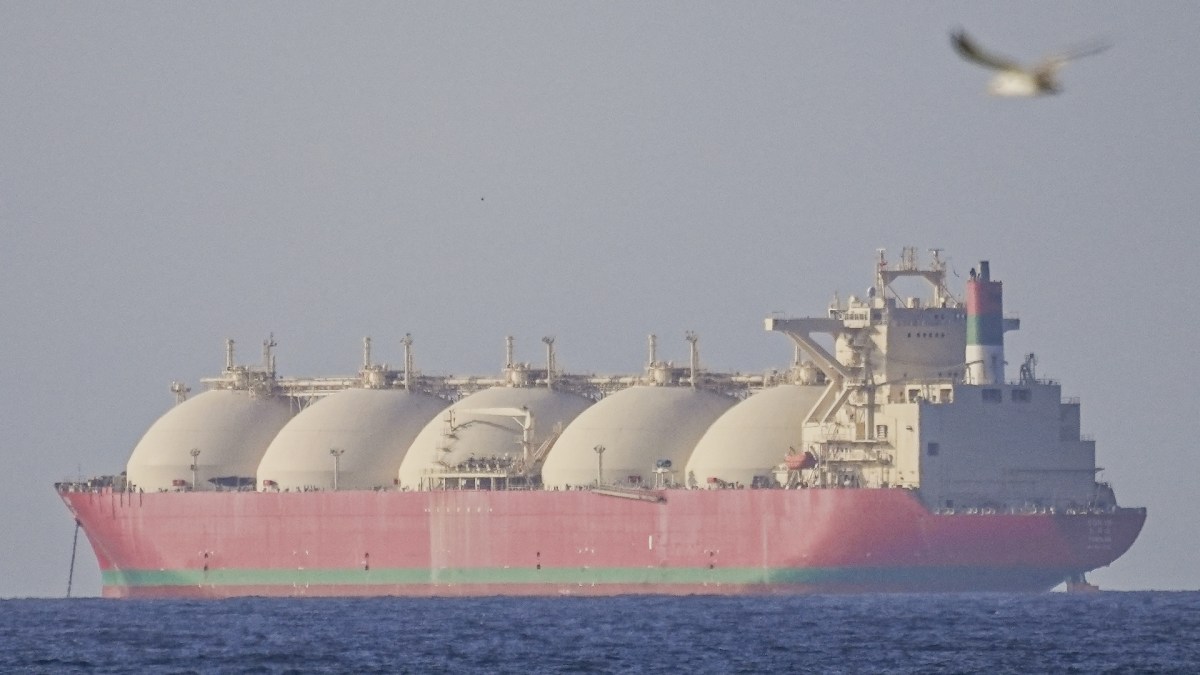
Even a narrowly drawn blockade can produce broad consequences. Shipping companies and crews now face the challenge of distinguishing between protected neutral passage and movements that could be interpreted as violating the blockade. Energy infrastructure is also included in the affected zone, according to the source text, which increases the stakes for regional energy flows and maritime insurance.
There is also the question of enforcement friction. The larger the area covered and the more vessels involved, the greater the chance of a contested interception, misidentification, or politically sensitive boarding. CENTCOM has stated the rules in broad terms, but any blockade depends on constant decisions at sea, often under compressed timelines and imperfect information.
That means the blockade is not only a military measure. It is also a test of command discipline, legal framing, and crisis management under conditions where commercial traffic, regional security, and great-power signaling intersect.
A new phase of maritime coercion
The announcement places the maritime front at the center of the conflict’s next phase. It goes beyond prior discussion of Hormuz and formalizes a U.S. effort to control access to Iranian ports across the Arabian Gulf and Gulf of Oman. That alone makes it one of the most consequential sea-power developments in the conflict so far.
Whether it produces leverage or wider instability will depend on the next steps: how consistently the U.S. enforces the measure, how shipping responds, and whether Iran contests the blockade at sea. But the immediate conclusion is already clear. Washington has moved from warning about maritime closure to implementing a broad operational regime designed to isolate Iran’s coastline while preserving selected transit elsewhere.
That is not a minor adjustment. It is a strategic escalation with direct implications for naval operations, commercial shipping, and the broader trajectory of the war.
This article is based on reporting by twz.com. Read the original article.
Originally published on twz.com